Legal practitioners and civil society groups have called for deeper collaboration and systemic reforms to strengthen Public Interest Litigation (PIL) as a tool for advancing justice in Nigeria.
The call was made at a special session convened by Spaces for Change (S4C) during the PILNet Africa Regional Convening on Public Interest Litigation.
In a statement issued in Lagos on Thursday, S4C’s Executive Director, Mrs. Victoria Ibezim-Ohaeri, highlighted the organisation’s research-driven approach, explaining that many of its pro bono legal interventions arise from fieldwork and community-based investigations.
She cited her doctoral research on SARS operations in Anambra State, noting that the findings later aided victims in securing compensation through the EndSARS judicial panels. According to her, S4C frequently collaborates with other research-focused organisations to uncover and document human rights violations across the country.
Speaking on a panel, Prof. Adebisi Arewa of the Nigerian Institute of Advanced Legal Studies described access to justice as “the most essential human right.” He lamented the near-total lack of justice for ordinary Nigerians, stressing that its absence erodes human dignity and undermines national development. “About 99.99 per cent of Nigerians lack access to justice,” he said, underscoring the role of strategic litigation in exposing systemic flaws and offering lifelines to marginalised groups.
Former Nigerian Bar Association (NBA) Chairman, Alex Morka, called for institutionalising pro bono legal services nationwide. He urged the NBA to make pro bono representation mandatory while commending judges who assign senior lawyers to defend indigent citizens in capital cases.
Representing the National Human Rights Commission (NHRC), Dr. Lucas Koyejo raised alarm over the commission’s overstretched capacity, disclosing that its Lagos office—with only 12 lawyers, including himself—struggles to serve a population of more than 20 million people.
The session also featured testimonies from victims of police brutality, forced evictions, and other abuses, many of whom had benefited from S4C’s interventions. Their experiences underscored the critical role of public interest litigation and the urgent need for comprehensive reforms in Nigeria’s justice system.

Featured
 News MasterUpdated 1 year Ago1 Mins read
Lawyers, CSOs Push for Reforms to Strengthen Public Interest Litigation in Nigeria
News MasterUpdated 1 year Ago1 Mins read
Share





Related Articles
Featured
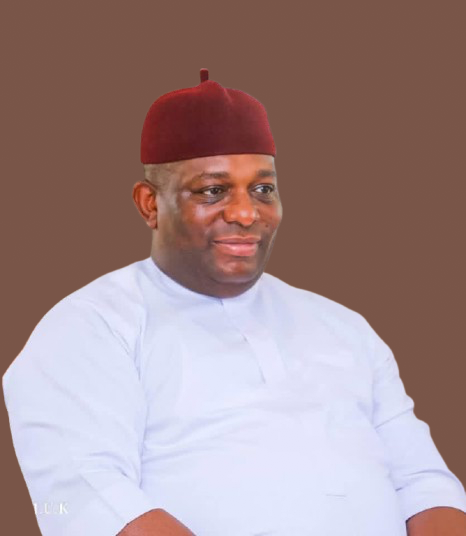
ARTICLE: Service Beyond the Ballot: Chief Mascot Uzor Kalu’s Enduring Commitment to the People
Leadership is not defined solely by electoral victory or the office one...
Featured
Supreme Court Set to Rule on PDP and ADC Leadership Disputes Today
Nigeria’s political landscape is on edge as the Supreme Court prepares to...

Featured
Mass Demonstrations in South Africa Highlight Rising Tensions Over Foreign Nationals
Large-scale demonstrations broke out across several major cities in South Africa as...

Featured
Article: Fixing Nigeria Starts with Fixing the States by Dr Uche Ogah
By Uche Ogah Nigeria’s development challenge is not merely a national dilemma....




Leave a comment