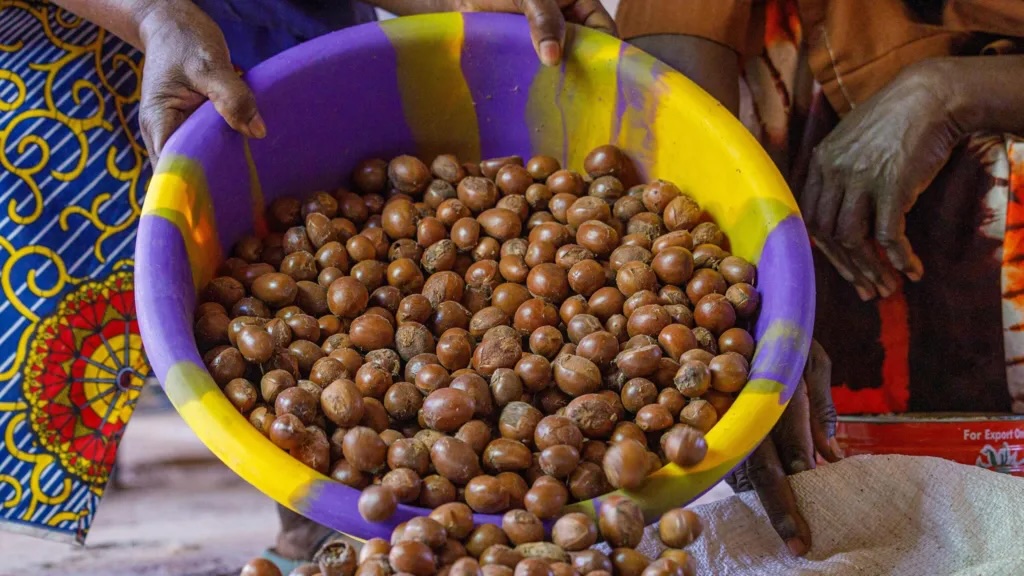
The six-month ban on raw shea nut exports has triggered severe disruptions in the market, slashing prices by more than 30 per cent and eroding the incomes of farmers and aggregators.
Approved by President Bola Tinubu on August 26, the ban aims to curb informal trade, boost domestic processing, and secure an estimated $300 million annual revenue for Nigeria. Vice President Kashim Shettima, who announced the directive, stressed that the measure was not anti-trade but a pro-value addition policy to protect local processors and create jobs.
However, industry stakeholders warn that the abrupt implementation has destabilised the value chain. Exporters face looming defaults on contracts and bank loans, while thousands of jobs in farming, aggregation, logistics, and trade are at risk.
The Centre for the Promotion of Private Enterprise (CPPE) cautioned that sudden policy shifts undermine investor confidence and threaten hard-won gains in non-oil exports, which hit $3 billion in the first quarter of 2025.
CPPE Chief Executive Officer, Dr. Muda Yusuf, urged government to adopt a phased transition, safeguard primary producers, and address structural challenges such as power, logistics, and financing.
“Local value addition is vital for diversification, but it must be pursued inclusively and strategically,” Yusuf said. “Policy stability and stakeholder engagement are key to achieving growth that benefits both farmers and processors.”

Business
 News MasterUpdated 12 months Ago1 Mins read
Shea Nut Export Ban Sparks Market Disruptions, Farmers Count Losses
News MasterUpdated 12 months Ago1 Mins read
Share






Related Articles

Business
Hon. Amobi Ogah Engages Global Stakeholders at OTC Texas As Nigeria’s Energy Future Comes in Focus
U.S., Texas — Nigeria’s push for innovation and global collaboration in the...
Business
Fear of Oil Glut as NNPCL Raises Crude Prices Across Grades
Concerns are growing over a possible global oil glut as the Nigerian...
Business
Aliko Dangote’s Wealth Climbs to $34bn After $216m Single-Day Surge
Africa’s richest man, Aliko Dangote, has seen his net worth rise to...
Business
Nigeria’s Petrol Price Drops 15.6% Year-on-Year – NBS
The average retail price of petrol in Nigeria declined by 15.6 per...




Leave a comment