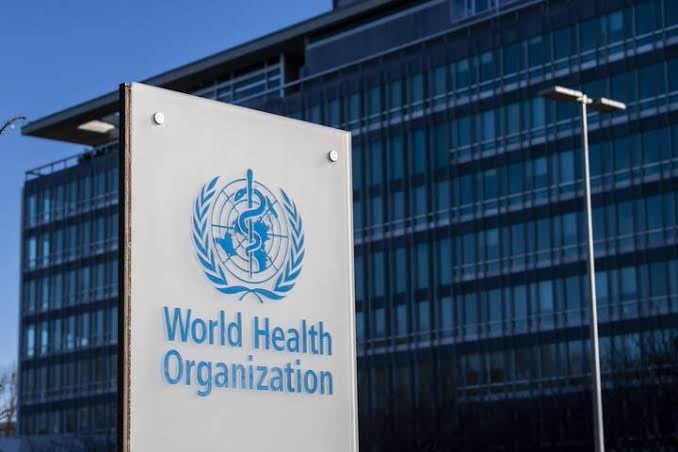
The World Health Organization (WHO) has issued a stark warning over the alarming rise in drug-resistant bacterial infections, saying the trend is undermining the effectiveness of life-saving antibiotics and could make once-minor illnesses potentially fatal.
According to new data released on Monday, one in every six laboratory-confirmed bacterial infections worldwide in 2023 showed resistance to standard antibiotic treatments.
“These findings are deeply concerning,” said Yvan J-F. Hutin, head of WHO’s Antimicrobial Resistance (AMR) department. “As antibiotic resistance continues to rise, we are running out of treatment options and putting millions of lives at risk.”
Antibiotic resistance — the ability of bacteria to survive drugs designed to kill them — has been intensified by the widespread use of antibiotics in humans, animals, and agriculture. WHO estimates that antimicrobial-resistant “superbugs” directly cause more than one million deaths annually and contribute to nearly five million globally.
The agency’s latest AMR surveillance report analyzed resistance patterns in 22 commonly used antibiotics for infections affecting the urinary and gastrointestinal tracts, bloodstream, and sexually transmitted diseases like gonorrhea.
The report found that, between 2018 and 2023, resistance increased in over 40 percent of the antibiotics tracked, with yearly growth rates ranging from 5 to 15 percent. For urinary tract infections alone, resistance to standard treatments exceeded 30 percent globally.
The WHO highlighted growing resistance among two major bacterial pathogens — E. coli and Klebsiella pneumoniae — which cause life-threatening bloodstream infections. Alarmingly, over 40 percent of E. coli cases and 55 percent of K. pneumoniae infections are now resistant to third-generation cephalosporins, the frontline drugs used to treat them.
“Antimicrobial resistance is outpacing advances in modern medicine, threatening the health of families worldwide,” WHO Director-General Dr. Tedros Adhanom Ghebreyesus warned.
While the agency praised progress in global AMR monitoring, it cautioned that nearly half of the world’s countries still fail to report resistance data. “We are definitely flying blind in many regions where surveillance systems are inadequate,” Hutin admitted.
The highest resistance rates were found in Southeast Asia and the Eastern Mediterranean, where one in three infections is now resistant to antibiotics. In Africa, one in five infections shows resistance.
Silvia Bertagnolio, who leads WHO’s AMR surveillance unit, noted that weaker health systems and limited diagnostic capacity are major drivers of resistance in such regions.
The WHO also expressed concern over the slow pace of innovation, warning that there are too few new antibiotics and diagnostic tools in development to combat the growing crisis.
“The combination of rising antibiotic use, increasing resistance, and a shrinking development pipeline presents a dangerous global threat,” Hutin cautioned.

Health
 News MasterUpdated 12 months Ago2 Mins read
WHO Raises Alarm as Antibiotic Resistance Surges Globally, Turning Common Infections Deadly
News MasterUpdated 12 months Ago2 Mins read
Share






Related Articles
Health
WHO Pushes for Faster Global Response as Hepatitis Elimination Goal Faces Delay Risks
The World Health Organization has raised concern over the slow pace of...

Health
Lagos First Lady Supports Lifesaving Child Surgery with N70m Health Intervention
The wife of the Lagos State Governor, Dr. Ibijoke Sanwo-Olu, has strengthened...
Health
FCT Begins Deployment of New Long-Acting HIV Prevention Injection
The Federal Capital Territory Administration (FCTA) has commenced the introduction of a...

Health
Lagos Event Puts Spotlight on Women’s Health During IWD Commemoration
Health advocates and stakeholders gathered in Lagos to mark the 2026 International...




Leave a comment