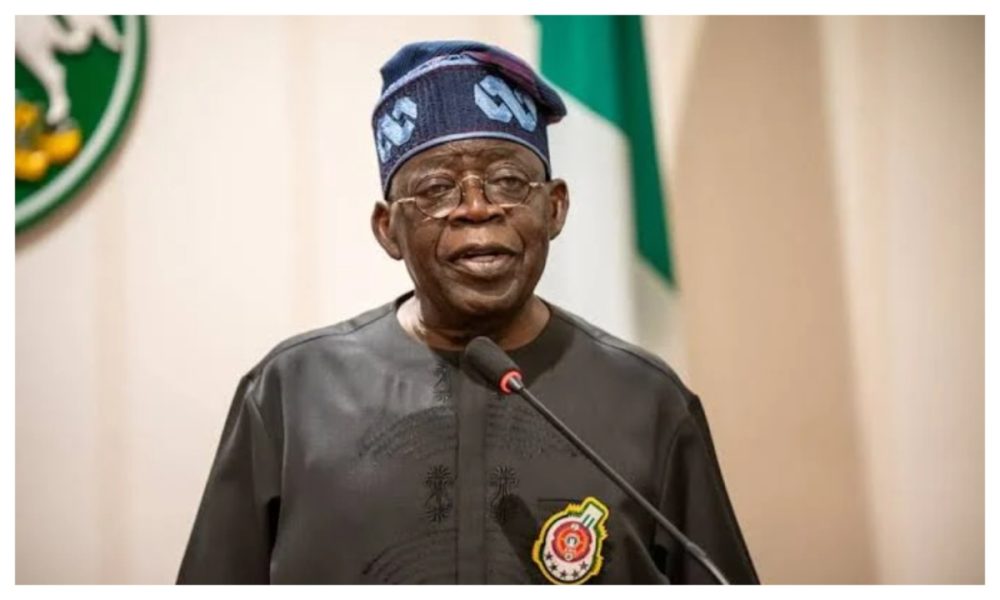
President Bola Ahmed Tinubu has publicly explained his decision to sign the recently amended Electoral Act into law, saying his choice was guided by a desire to uphold democratic stability and prevent political unrest. He addressed the issue during a gathering with political leaders and party officials at the State House in Abuja yesterday.
In his remarks, Mr. Tinubu described himself as a committed democrat and stressed the importance of respecting the outcomes of lawful institutions. He said the Electoral Act — which was passed by a significant majority in both chambers of the National Assembly — reflects the rule of law and should be allowed to take effect as parliament intended.
“I had no choice but to sign the amendment,” the President said, noting that challenging a law passed by overwhelming legislative support could have sparked unnecessary division. He urged opposition parties and critics to channel their disagreements through peaceful democratic processes and test their strength at the polls instead of pushing for further changes to the legislation.
The Electoral Act amendments have stirred intense debate nationwide, especially around provisions for electronic transmission of results, party nomination procedures, and the timeframes for electoral preparations. While some political actors and civil society groups have criticised aspects of the law as potentially undermining electoral transparency, others have welcomed the changes as necessary updates to Nigeria’s electoral framework.
President Tinubu used the occasion to remind stakeholders that the success of Nigeria’s democracy depends on tolerance, respect for institutional procedures, and a shared commitment to peaceful competition. He called on all political parties to focus on upcoming elections with dignity and uphold the democratic principles enshrined in the constitution.
As the country prepares for the 2027 general elections, the Electoral Act remains a central topic of political discourse, with many eyes on how its implementation will shape electoral conduct and public confidence in the democratic process.

Politics
 News MasterUpdated 7 months Ago1 Mins read
“Tinubu Explains Signing of Electoral Act, Urges Peaceful Political Competition”
News MasterUpdated 7 months Ago1 Mins read
Share






Related Articles

Politics
ORU WEST DESERVES BETTER, NO COMMUNITY WILL BE LEFT BEHIND — DCN OBIOMA OKORIE
Hon. Deacon Obioma Okorie, aspirant for Oru West State Constituency for the...

Politics
Abia’s Future in Focus: Mascot Uzor Kalu Emerges Voice of Reason Amid Abia APC Political Tension
“In the end, peace is not merely the absence of conflict, but...
Politics
Abia’s Future in Focus: Mascot Uzor Kalu Emerges Voice of Reason Amid Abia APC Political Tension
“In the end, peace is not merely the absence of conflict, but...
Politics
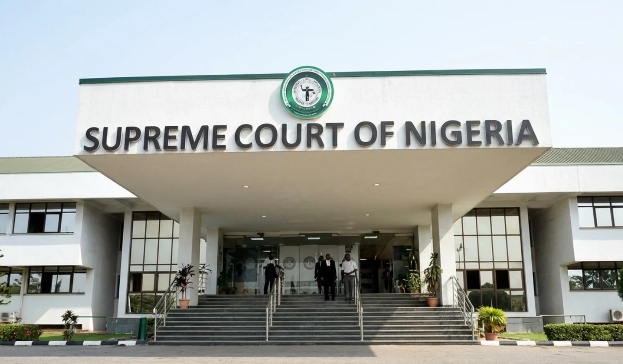
ADC Faces Crucial Test as Supreme Court Ruling Looms Over 2027 Ambitions
The African Democratic Congress (ADC) is at a defining crossroads as the...




Leave a comment