The African Democratic Congress (ADC) has criticised President Bola Tinubu’s administration following reports that Nigeria’s poverty rate has climbed to 63 per cent after the removal of petrol subsidy.
In a statement issued by its National Publicity Secretary, Bolaji Abdullahi, the party described the development as a reflection of what it called the administration’s flawed economic policies and a sign of worsening hardship among Nigerians.
According to the ADC, rising fuel prices and increased transportation costs since the subsidy removal have significantly driven up the prices of goods and services, making life more difficult for millions of households.
The party said the report, presented during a policy dialogue in Abuja, showed that Nigeria’s poverty rate rose from about 50 per cent before the subsidy removal to 63 per cent afterward. It argued that the sharp increase highlights the economic impact of the policy, which it said was implemented without adequate consideration for its consequences on ordinary citizens.
ADC noted that many Nigerians are already experiencing the effects of the economic situation through rising living costs, declining purchasing power, and increasing financial pressure on families.
It also cited several independent surveys indicating public dissatisfaction with the direction of the country, claiming that a majority of Nigerians believe the economy is in poor condition and that their personal living standards have worsened.
The party further said many citizens have struggled to afford basic necessities such as food, clean water, healthcare, cooking fuel, and cash income at different times over the past year, describing the situation as evidence of growing deprivation.
While the government has defended the subsidy removal as necessary to free resources for sectors such as health and education, the ADC argued that citizens have yet to see noticeable improvements in those areas three years after the policy was introduced.
The party maintained that the success of any economic policy should be judged by its impact on the wellbeing of citizens, particularly the most vulnerable, adding that the current situation suggests the government has fallen short of that standard.

Politics
 News MasterUpdated 7 months Ago1 Mins read
ADC Blames Tinubu’s Policies as Nigeria’s Poverty Rate Hits 63%
News MasterUpdated 7 months Ago1 Mins read

Share




Related Articles

Politics
ORU WEST DESERVES BETTER, NO COMMUNITY WILL BE LEFT BEHIND — DCN OBIOMA OKORIE
Hon. Deacon Obioma Okorie, aspirant for Oru West State Constituency for the...

Politics
Abia’s Future in Focus: Mascot Uzor Kalu Emerges Voice of Reason Amid Abia APC Political Tension
“In the end, peace is not merely the absence of conflict, but...
Politics
Abia’s Future in Focus: Mascot Uzor Kalu Emerges Voice of Reason Amid Abia APC Political Tension
“In the end, peace is not merely the absence of conflict, but...
Politics
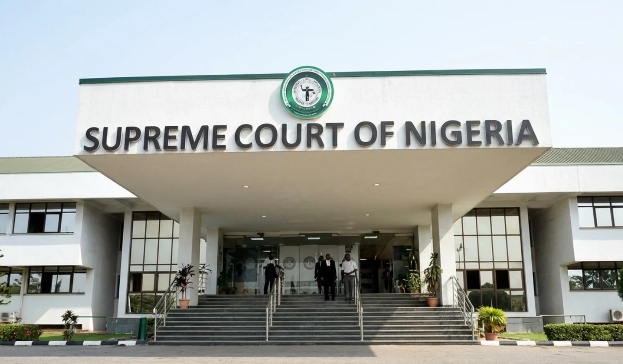
ADC Faces Crucial Test as Supreme Court Ruling Looms Over 2027 Ambitions
The African Democratic Congress (ADC) is at a defining crossroads as the...




Leave a comment