Normalcy has returned to Maiduguri, Borno State capital, following President Bola Tinubu’s directive for all service chiefs to relocate to the city amid renewed attacks by Boko Haram and ISWAP insurgents.
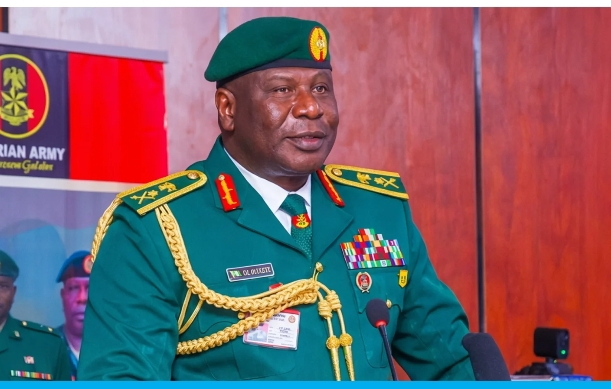
The Chief of Defence Staff (CDS), General Olufemi Oluyede, alongside the Chief of Army Staff, Lt. Gen. Waidi Shaibu, arrived at the Maiduguri Air Force Base and proceeded to the headquarters of Operation HADIN KAI. Their visit coincided with Vice President Kashim Shettima’s trip to the University of Maiduguri Teaching Hospital (UMTH) to sympathise with victims of recent bomb explosions.
The Arewa Consultative Forum (ACF) condemned the wave of violence in Borno, Plateau, and other states, warning that Nigeria risks descending into chaos if urgent measures are not taken. In a statement by its spokesperson, Prof. Tukur Muhammad-Baba, the forum lamented the loss of lives and destruction of property, describing the attacks as coordinated efforts to destabilise the country.
The ACF referenced recent incidents in Maiduguri, including a deadly bomb blast, as well as attacks on military formations and similar violence in Plateau, Katsina, Kwara, Niger, and Zamfara states. While acknowledging the efforts of security agencies, the forum said the response so far has been inadequate and called for a comprehensive overhaul of security strategies.
Former senator Shehu Sani linked the surge in attacks to the approaching election season, noting that insecurity often worsens during such periods. He also criticised the attackers for targeting fellow Muslims during Ramadan while claiming religious justification, urging clerics to openly denounce such acts.
On the international front, the African Union (AU) called for increased global support for Nigeria’s counter-terrorism efforts. AU Chairperson Mahmoud Youssouf, through his spokesperson, expressed solidarity with Nigeria and urged the international community to strengthen assistance through intelligence sharing, humanitarian aid, and development initiatives targeting the root causes of extremism.
Meanwhile, General Oluyede stressed the need for stronger community involvement in the fight against insurgency, warning that local collaboration with terrorists has undermined military efforts. He revealed that intelligence indicates many perpetrators are from affected communities, urging residents of Borno and Yobe states to take responsibility in combating the threat.
He also noted the growing use of drones and advanced tactics by insurgents, adding that the military is enhancing its capabilities, including deploying sophisticated surveillance systems, to counter the evolving threat.
Vice President Shettima condemned the recent attacks as barbaric, insisting that no cause justifies the killing of innocent people. During his visit to victims at UMTH, he reaffirmed the Federal Government’s commitment to defeating terrorism and pledged continued support for those affected through relevant agencies.
In a related development, the National Association of Seadogs called for a review of the National Youth Service Corps (NYSC) deployment policy, urging authorities to stop posting corps members to high-risk areas due to rising insecurity.
Despite the challenges, the military reported a major success, repelling an attempted insurgent attack on a base in Mallam Fatori, near the Niger border. Troops, supported by air power, killed at least 80 fighters, including senior commanders, and recovered weapons and drone components. Four soldiers were injured in the operation.
The military said the insurgents’ increasing use of drones and coordinated assaults signals a shift in tactics, but assured that security forces remain prepared to counter the threat.

State News
 News MasterUpdated 6 months Ago2 Mins read
AU Seeks Global Backing as CDS Warns of Internal Sabotage in Anti-Terror War
News MasterUpdated 6 months Ago2 Mins read
Share






Related Articles
State News
Delta Police Arrest Four Officers Over Fatal Shooting, PRO Describes Incident as Deeply Troubling
The Delta State Police Command has confirmed the arrest of four officers...
State News
Otti’s Chief of Staff Urges Journalists to Uphold Objectivity, Reaffirms Commitment to Good Governance
The Chief of Staff to the Abia State Governor, Pastor Caleb Ajagba,...

State News
Ondo Poly Student Found Dead in Apartment, Police Launch Investigation
A 20-year-old student of Rufus Giwa Polytechnic, Owo (RUGIPO), Ondo State, has...

State News
Fubara Targets January 2027 for Completion of New Modern Market Project in Rivers
Rivers State Governor, Siminalayi Fubara, has announced that the ongoing construction of...




Leave a comment