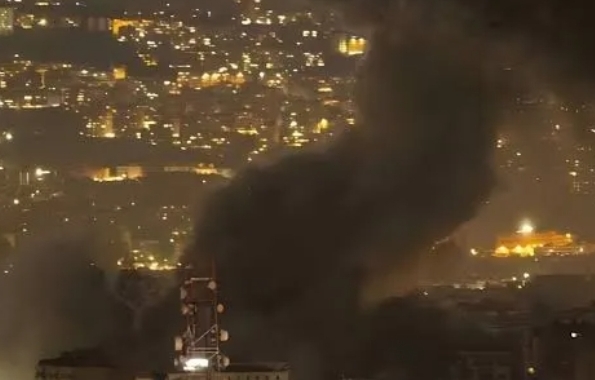
TEHRAN, Iran, Israeli forces conducted a new wave of air strikes on Iranian targets on Monday, March 23, 2026, intensifying a conflict that experts warn is triggering the most severe global energy crisis in decades.
Local Tehran media reported multiple explosions across the city in the early hours, while authorities in Saudi Arabia and the United Arab Emirates confirmed that their defense systems were actively intercepting incoming missiles and drones.
Fatih Birol, Executive Director of the International Energy Agency (IEA), said that at least 40 critical energy facilities in the region have been severely damaged as the war, initiated by Israel and the United States, enters its fourth week.
In retaliation, Iran has launched missiles and drones at Israel and across the Persian Gulf, targeting energy facilities and U.S. diplomatic sites. Tehran has also restricted maritime traffic through the Strait of Hormuz, a strategic chokepoint responsible for about 20% of global crude oil shipments.
Oil prices have surged above $100 per barrel amid fears over supply disruptions. U.S. President Donald Trump issued a stern social media warning, threatening to destroy Iranian power plants if the Strait of Hormuz is not reopened within 48 hours, with the deadline set for 23:44 GMT on March 23 (00:44 WAT, March 24).
Iran’s leadership has remained defiant. Mohammad Bagher Ghalibaf, Speaker of the Iranian Parliament, declared that any U.S. attack would render all vital regional infrastructure legitimate military targets.
Birol stressed the economic implications of the conflict, noting that global oil production is down by 11 million barrels per day, a loss exceeding that of the major 1970s oil crises, and warned that no country is insulated from the fallout. He called for urgent international cooperation to stabilize the market.
Meanwhile, the conflict has escalated on multiple fronts. Israeli forces have intensified operations in Lebanon against Hezbollah, which is backed by Iran. The Lebanese Ministry of Public Health reports more than 1,000 deaths and over a million people displaced since the strikes began.
Within Israel, the government has pledged to target commanders of the Islamic Revolutionary Guard Corps (IRGC) following an Iranian missile attack on the southern towns of Dimona and Arad. Dimona houses the Shimon Peres Negev Nuclear Research Center. While Israel’s missile defenses typically intercept such threats, the recent strikes landed near the facility, injuring more than 100 people. Iran claims the strike was in retaliation for an earlier attack on its Natanz nuclear facility.
The conflict shows no sign of slowing, with both sides warning of further military action while the global energy market braces for continued disruption.

Featured
 News MasterUpdated 6 months Ago2 Mins read
Israel Launches Fresh Air Strikes on Iran Amid Escalating Global Energy Crisis
News MasterUpdated 6 months Ago2 Mins read
Share






Related Articles

Featured
ARTICLE: Service Beyond the Ballot: Chief Mascot Uzor Kalu’s Enduring Commitment to the People
Leadership is not defined solely by electoral victory or the office one...
Featured
Supreme Court Set to Rule on PDP and ADC Leadership Disputes Today
Nigeria’s political landscape is on edge as the Supreme Court prepares to...
Featured
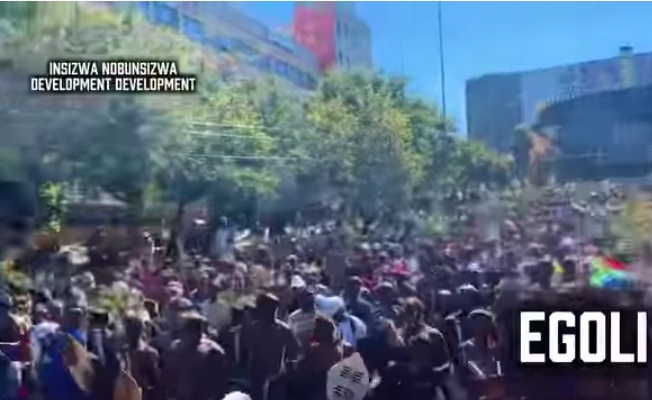
Mass Demonstrations in South Africa Highlight Rising Tensions Over Foreign Nationals
Large-scale demonstrations broke out across several major cities in South Africa as...

Featured
Article: Fixing Nigeria Starts with Fixing the States by Dr Uche Ogah
By Uche Ogah Nigeria’s development challenge is not merely a national dilemma....




Leave a comment