The United Nations Women has expressed concern over the worsening humanitarian conditions in Lebanon, stating that at least 620,000 women and girls have been displaced following the recent escalation of conflict.
In a statement, UN Women Representative in Lebanon, Gielan El Messiri, said women and girls have been disproportionately affected by the crisis, accounting for more than half of the displaced population.
She noted that the displaced figure represents nearly a quarter of all women and girls in the country, spanning Lebanese, Syrian, Palestinian, and migrant communities.
According to her, the conflict has intensified existing inequalities, including limited economic opportunities, weak legal safeguards, and insufficient access to social services, leaving many women more vulnerable to hardship and abuse.
El Messiri revealed that about 85 percent of displaced women and girls are living outside formal shelters, often in overcrowded housing and informal settlements, particularly in Beirut and Mount Lebanon.
She warned that such living conditions increase the risk of exploitation, abuse, and gender-based violence, while the breakdown of protection and justice systems has made it difficult for victims to report incidents or obtain support.
She also highlighted the coping strategies adopted by many affected women, including skipping meals to prioritize their children’s needs. Elderly women, she added, are facing serious health risks due to limited access to medication for chronic conditions.
In addition, shortages of hygiene supplies and restricted access to healthcare have forced some pregnant women to give birth under unsafe conditions, while mental health challenges continue to rise among displaced populations.
“Women describe ongoing fear, sleeplessness, and exhaustion as they continue to care for their families and support their communities,” she said.
Despite these challenges, El Messiri praised the resilience of women, noting that many are actively involved in humanitarian efforts, helping displaced families and sustaining community support systems.
UN Women said it is expanding its response across key displacement areas by providing protection services, cash-for-work programmes, and livelihood support initiatives.
The agency also echoed the United Nations Secretary-General’s call for immediate de-escalation, adherence to international humanitarian law, and increased gender-responsive humanitarian assistance.

Featured
 News MasterUpdated 7 months Ago1 Mins read
Over 620,000 Women and Girls Displaced in Lebanon Crisis – UN Women
News MasterUpdated 7 months Ago1 Mins read
Share



Related Articles
Featured
ARTICLE: Service Beyond the Ballot: Chief Mascot Uzor Kalu’s Enduring Commitment to the People
Leadership is not defined solely by electoral victory or the office one...
Featured
Supreme Court Set to Rule on PDP and ADC Leadership Disputes Today
Nigeria’s political landscape is on edge as the Supreme Court prepares to...
Featured
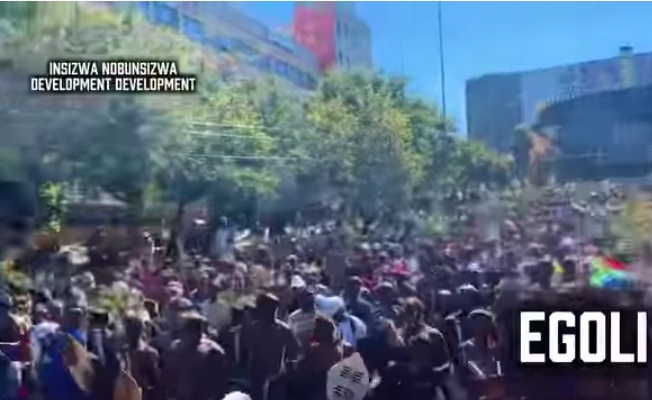
Mass Demonstrations in South Africa Highlight Rising Tensions Over Foreign Nationals
Large-scale demonstrations broke out across several major cities in South Africa as...
Featured
Article: Fixing Nigeria Starts with Fixing the States by Dr Uche Ogah
By Uche Ogah Nigeria’s development challenge is not merely a national dilemma....




Leave a comment