Lagos State has recorded the highest debt burden among Nigeria’s states, owing N1.22 trillion in domestic debt and $1.17 billion in external debt as of the fourth quarter of 2025.
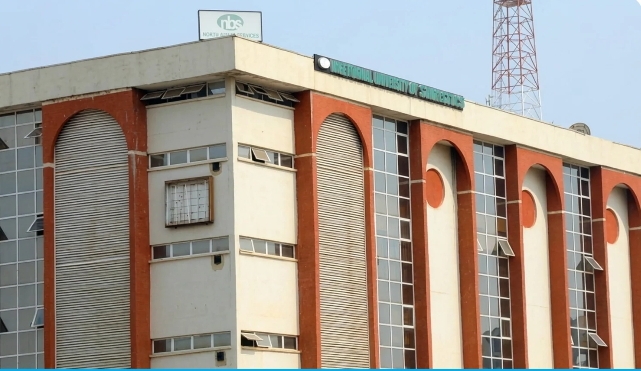
This was disclosed in the latest debt report released by the National Bureau of Statistics (NBS), which also showed that Nigeria’s total public debt rose to N159.28 trillion ($110.97 billion) in Q4 2025, up from N153.29 trillion in the previous quarter—representing a 3.9 per cent increase.
According to the report, external debt stood at N74.43 trillion, accounting for 46.73 per cent of the total, while domestic debt was N84.85 trillion, making up 53.27 per cent.
Among subnational governments, Lagos led in domestic debt, followed by Rivers State with N378.81 billion, while Jigawa recorded the lowest at N1.60 billion, with Ondo also among the least indebted at N8.42 billion.
In terms of external debt, Lagos again ranked highest with $1.17 billion, followed by Kaduna State with $684.29 million. The Federal Capital Territory had the lowest external debt at $26.80 million, while Zamfara recorded $41.93 million.
Other states with notable debt profiles include Bauchi, which owes $220.57 million externally and N156.05 billion domestically; Delta, with $63.42 million and N248.83 billion; and Enugu, with $99.88 million in external debt and N157.60 billion locally.
The rising debt burden continues to raise concerns, as increasing debt servicing costs are putting pressure on government revenue. The World Bank recently warned that Nigeria’s growing debt obligations are limiting its ability to invest in critical infrastructure, noting a decline in capital expenditure to 1.0 per cent of GDP from 1.3 per cent in 2024.
Similarly, the International Debt Report 2025 advised Nigeria and other Sub-Saharan African countries to adopt export diversification and fiscal reforms to manage rising debt levels, warning that persistent borrowing amid slow economic growth could deepen fiscal challenges.

State News
 News MasterUpdated 5 months Ago1 Mins read
Lagos Tops Nigeria’s Debt Chart with N1.22trn, $1.17bn Liabilities
News MasterUpdated 5 months Ago1 Mins read
Share





Related Articles

State News
Delta Police Arrest Four Officers Over Fatal Shooting, PRO Describes Incident as Deeply Troubling
The Delta State Police Command has confirmed the arrest of four officers...
State News
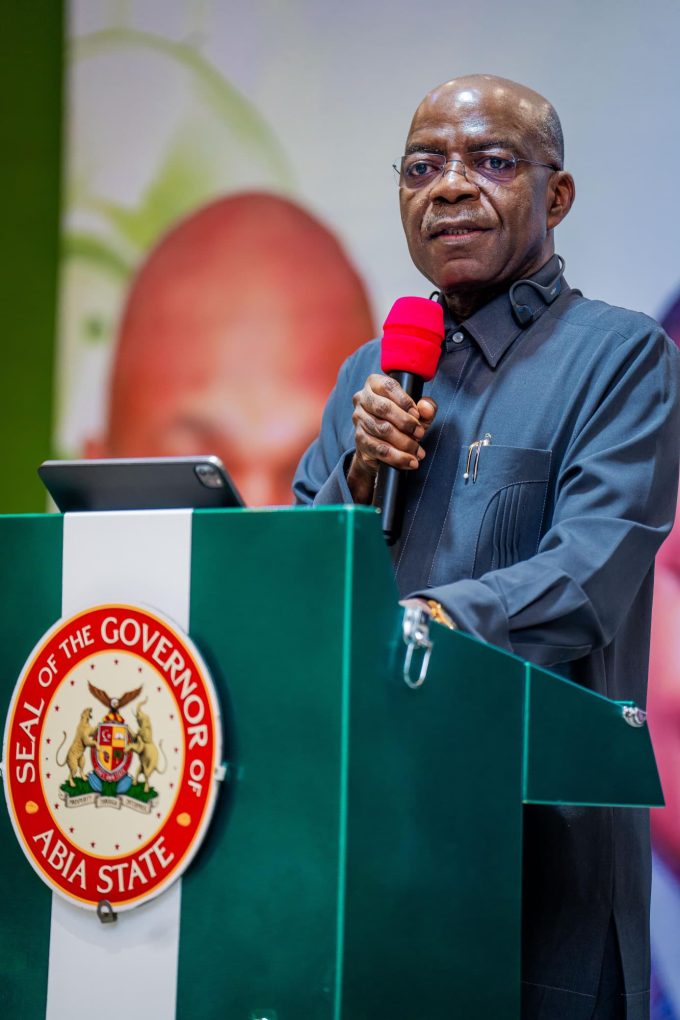
Otti’s Chief of Staff Urges Journalists to Uphold Objectivity, Reaffirms Commitment to Good Governance
The Chief of Staff to the Abia State Governor, Pastor Caleb Ajagba,...
State News
Ondo Poly Student Found Dead in Apartment, Police Launch Investigation
A 20-year-old student of Rufus Giwa Polytechnic, Owo (RUGIPO), Ondo State, has...
State News
Fubara Targets January 2027 for Completion of New Modern Market Project in Rivers
Rivers State Governor, Siminalayi Fubara, has announced that the ongoing construction of...




Leave a comment