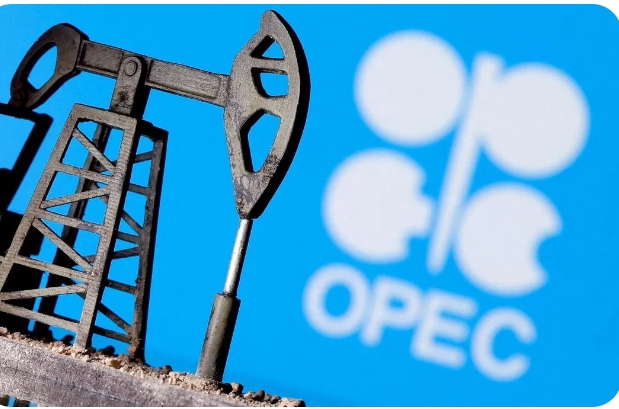
ABU DHABI, UNITED ARAB EMIRATES – The United Arab Emirates (UAE) has officially announced its withdrawal from OPEC and the broader OPEC+ alliance, marking a major shift in global oil politics.
The decision, confirmed on Tuesday, comes at a time of heightened instability in the Middle East, as ongoing U.S.-Israel tensions with Iran continue to disrupt regional security and global energy markets.
The UAE’s exit represents a significant setback for the oil-producing bloc, which has long coordinated production levels to influence global crude prices. Officials in Abu Dhabi cited growing dissatisfaction with regional security arrangements, particularly following repeated incidents involving attacks on commercial shipping in the Gulf.
According to Okay News, the UAE has also expressed frustration with the limited support it says it has received from some regional allies during the escalating crisis.
Anwar Gargash, diplomatic adviser to the UAE President, recently described the Gulf Cooperation Council’s response to the situation as “the weakest historically,” reflecting deepening political tensions within the region.
The development is further complicated by pressure from the United States, where President Donald Trump has repeatedly criticized OPEC, accusing the group of manipulating oil prices. He has also linked U.S. security commitments in the Middle East to expectations of more stable and lower energy costs.
Analysts warn that the UAE’s withdrawal could add further volatility to already unstable global oil markets, especially as tensions around key shipping routes such as the Strait of Hormuz continue to escalate.
The full economic and geopolitical impact of the UAE’s decision is expected to unfold in the coming weeks.

Featured
 News MasterUpdated 5 months Ago1 Mins read
UAE Withdraws from OPEC and OPEC+ Amid Rising Middle East Tensions
News MasterUpdated 5 months Ago1 Mins read
Share


Related Articles
Featured
ARTICLE: Service Beyond the Ballot: Chief Mascot Uzor Kalu’s Enduring Commitment to the People
Leadership is not defined solely by electoral victory or the office one...
Featured
Supreme Court Set to Rule on PDP and ADC Leadership Disputes Today
Nigeria’s political landscape is on edge as the Supreme Court prepares to...
Featured
Mass Demonstrations in South Africa Highlight Rising Tensions Over Foreign Nationals
Large-scale demonstrations broke out across several major cities in South Africa as...
Featured
Article: Fixing Nigeria Starts with Fixing the States by Dr Uche Ogah
By Uche Ogah Nigeria’s development challenge is not merely a national dilemma....



Leave a comment