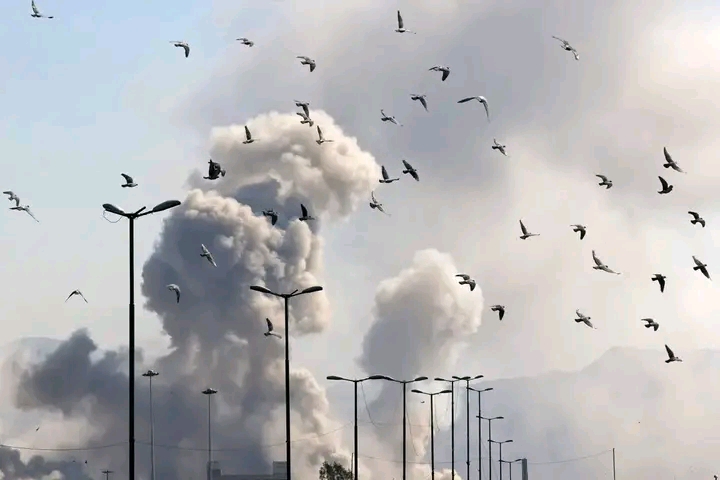
Iran fired a series of missiles across the Middle East on Tuesday, as fresh explosions rocked its capital, Tehran, following threats from U.S. President Donald Trump targeting the country’s key oil facilities, power plants, and desalination infrastructure.
Israeli Prime Minister Benjamin Netanyahu, a close ally of Trump in the ongoing offensive against Iran, said Israel had achieved more than half of its military objectives. However, both leaders declined to give a timeline for ending the conflict, which has now stretched into a month-long regional war, unsettling global markets.
Air raid sirens sounded in Jerusalem as Israeli forces intercepted incoming Iranian missiles. Meanwhile, Iranian media reported new blasts in Tehran that led to partial power outages across the city.
The conflict has also intensified in southern Lebanon, where Israel confirmed the deaths of four additional soldiers during clashes with Hezbollah, an Iranian-backed group.
Ahead of its strikes, Israel issued a warning to residents in western Tehran, stating it would target military infrastructure in the area. In response, Iran launched missiles at several Gulf nations, accusing them of supporting U.S. military operations.
In Dubai, falling debris from intercepted missiles injured four people, while an Iranian strike caused a fire on a Kuwaiti oil tanker at a port facility. Saudi Arabia also reported intercepting eight ballistic missiles shortly after Iran urged the kingdom to expel U.S. forces.
President Trump warned that unless Iran agreed to end the war—including reopening the critical Strait of Hormuz—U.S. forces could destroy major elements of Iran’s energy infrastructure. However, reports suggest he may be open to ending the conflict even if the strategic waterway remains partially closed.
In defiance, Iran’s parliament moved to impose tolls on ships passing through the Strait of Hormuz and ban vessels from the United States and Israel. The strait is a vital global oil route, handling about one-fifth of the world’s supply.
U.S. Secretary of State Marco Rubio criticized the move, warning it could set a dangerous precedent by allowing countries to claim control over international waterways.
While Trump claimed ongoing communication with Iranian officials, Tehran denied any direct negotiations, stating that only indirect messages had been exchanged through intermediaries such as Pakistan.
On the ground in Tehran, residents described a tense but resilient atmosphere, with daily life continuing under heavy security despite the ongoing strikes.
Elsewhere, Israel has intensified its bombardment of Lebanon, targeting Hezbollah positions, including in central Beirut. The United Nations reported that an explosion killed two Indonesian peacekeepers and injured others, prompting an investigation.
Global concern continues to grow, with world leaders calling for de-escalation. Egypt’s President Abdel Fattah al-Sisi urged the U.S. to help bring the war to an end, while Pakistan has offered to mediate talks between Washington and Tehran.
Meanwhile, economic leaders from G7 nations met in Paris to assess the war’s impact, particularly rising oil prices. Analysts warn that further escalation could push oil costs to levels not seen since the 2008 global commodity surge.
Adding to regional instability, Yemen’s Houthi rebels have also launched missiles and drones at Israel, raising concerns over threats to shipping routes in both the Red Sea and the Gulf.

Featured
 News MasterUpdated 7 months Ago2 Mins read
Iran Launches Missiles Across Middle East Amid Escalating Tensions
News MasterUpdated 7 months Ago2 Mins read
Share



Related Articles
Featured
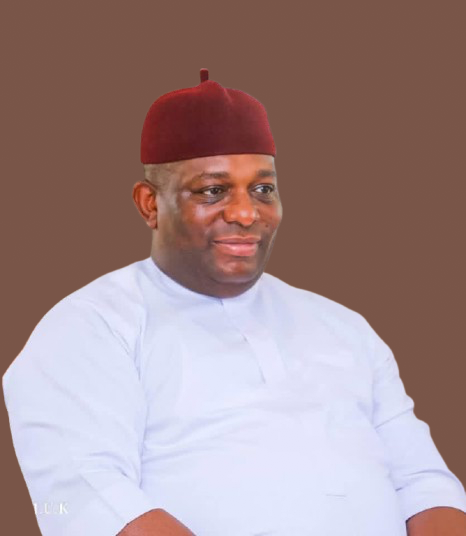
ARTICLE: Service Beyond the Ballot: Chief Mascot Uzor Kalu’s Enduring Commitment to the People
Leadership is not defined solely by electoral victory or the office one...
Featured
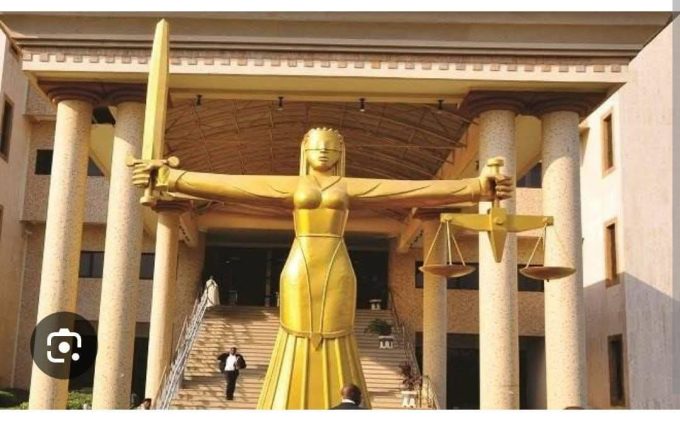
Supreme Court Set to Rule on PDP and ADC Leadership Disputes Today
Nigeria’s political landscape is on edge as the Supreme Court prepares to...
Featured
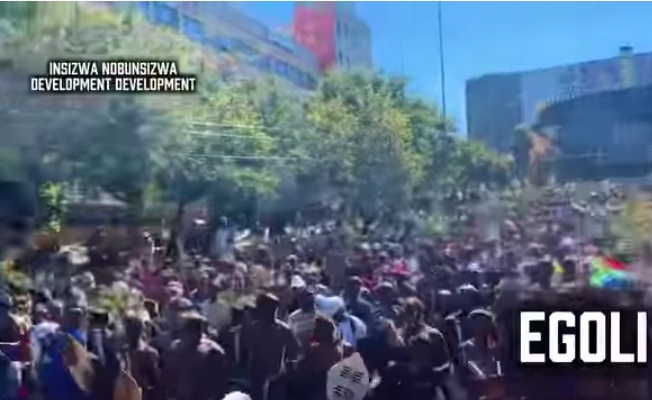
Mass Demonstrations in South Africa Highlight Rising Tensions Over Foreign Nationals
Large-scale demonstrations broke out across several major cities in South Africa as...
Featured
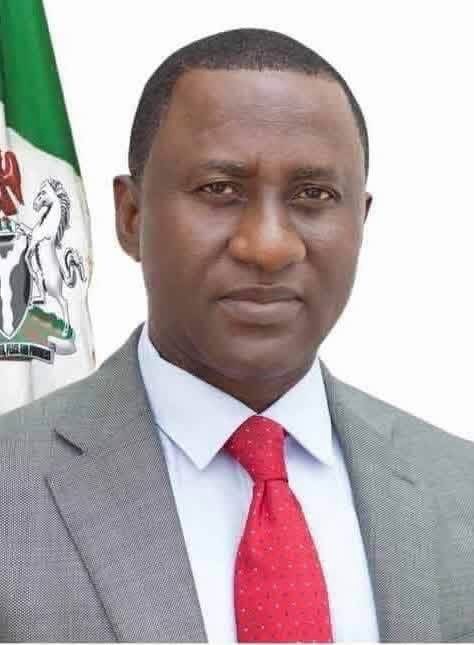
Article: Fixing Nigeria Starts with Fixing the States by Dr Uche Ogah
By Uche Ogah Nigeria’s development challenge is not merely a national dilemma....



Leave a comment