The African Democratic Congress (ADC) is under growing pressure ahead of the 2027 general elections, as ongoing legal disputes and a tight electoral timetable threaten its ability to participate.
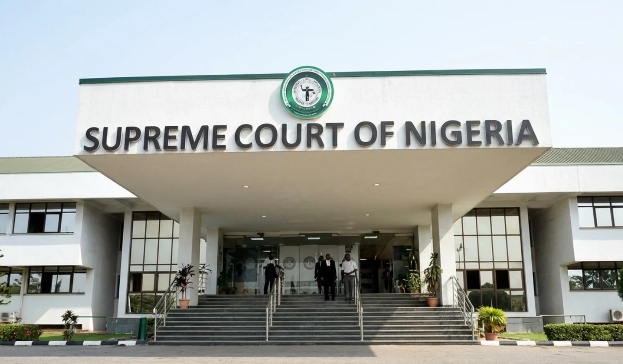
Concerns intensified after the Supreme Court adjourned the party’s leadership case to April 22, leaving little time for the ADC to meet the Independent National Electoral Commission (INEC) requirements for party primaries and candidate submissions.
INEC’s schedule places presidential and National Assembly elections on January 16, 2027, with governorship and state assembly polls set for February 6. Party primaries are expected to hold between April 23 and May 30, 2026, while submission of candidates is fixed for late June to mid-July.
With the court ruling coming just as the primary window opens, observers warn that any delay or directive requiring fresh congresses could push the ADC beyond regulatory deadlines. If the court nullifies the party’s recent national convention, the ADC may be forced to restart its internal processes, putting its 2027 participation at risk.
INEC officials have maintained that the commission will strictly follow its timetable and only recognise duly constituted party leaderships and valid primaries, regardless of internal disputes.
Within the party, anxiety is rising among aspirants and stakeholders, some of whom are already considering alternative political platforms should the crisis persist.
The situation has also cast doubt on the ADC’s role as a potential platform for opposition coalitions, with analysts warning that unresolved legal battles could weaken its credibility and advantage rival parties.
Meanwhile, the party has taken disciplinary action against some members, expelling a former national vice chairman, Nafiu Bala Gombe, alongside four others, including a serving lawmaker, over alleged anti-party activities. The decision was reached at the party’s national convention in Abuja.
The convention itself was held without INEC officials present, further raising concerns about compliance with electoral guidelines. The electoral body had earlier declined to recognise the party’s leadership under Senator David Mark, citing a pending court ruling.
Despite these challenges, ADC National Chairman David Mark described the convention as a turning point for opposition politics, saying it reflects the party’s resilience and commitment to democratic values. He emphasised the need for unity and accountability within the party.
Also speaking at the event, former Vice President Atiku Abubakar and ADC National Secretary Rauf Aregbesola criticised INEC and the Federal Government, expressing concerns over the state of democracy and governance in the country.
Atiku alleged that the electoral body was being used in ways that could undermine democratic processes, while Aregbesola insisted that the ADC’s legitimacy is rooted in the Nigerian Constitution, not any institution.
The party also raised concerns about the economy, pointing to rising exchange rates and fuel prices as indicators of worsening living conditions.
As the April 22 court date approaches, the ADC’s political future remains uncertain. A clear and timely judgment could help the party stay on track, but any further complications may jeopardise its chances of participating in the 2027 elections.

Politics
 News MasterUpdated 6 months Ago2 Mins read
ADC Faces 2027 Election Uncertainty Amid Court Battles, Tight Deadlines
News MasterUpdated 6 months Ago2 Mins read

Share






Related Articles

Politics
ORU WEST DESERVES BETTER, NO COMMUNITY WILL BE LEFT BEHIND — DCN OBIOMA OKORIE
Hon. Deacon Obioma Okorie, aspirant for Oru West State Constituency for the...

Politics
Abia’s Future in Focus: Mascot Uzor Kalu Emerges Voice of Reason Amid Abia APC Political Tension
“In the end, peace is not merely the absence of conflict, but...
Politics
Abia’s Future in Focus: Mascot Uzor Kalu Emerges Voice of Reason Amid Abia APC Political Tension
“In the end, peace is not merely the absence of conflict, but...
Politics
ADC Faces Crucial Test as Supreme Court Ruling Looms Over 2027 Ambitions
The African Democratic Congress (ADC) is at a defining crossroads as the...




Leave a comment