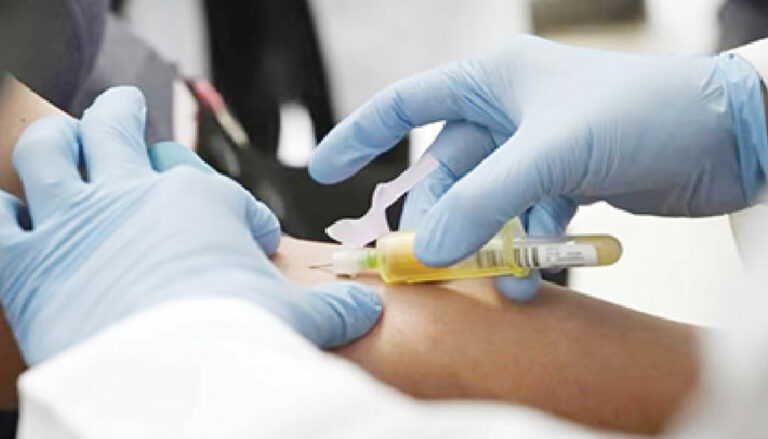
A total of 122 health workers in Taraba State have undergone specialized training aimed at improving the prevention, detection, and treatment of HIV across primary healthcare facilities in the state.
The training was organized through a collaboration between the Society for Family Health (SFH) and the Taraba State Primary Health Care Development Agency under a health intervention programme focused on strengthening service delivery at the grassroots level.
Participants were selected from 37 primary health centres spread across all 16 local government areas of the state. The programme is part of ongoing efforts to integrate HIV-related services into routine healthcare, including maternal care, child health services, and general outpatient treatment.
Organisers said the initiative was designed to support the gradual transition from donor-funded health interventions to a more government-led system, ensuring continuity of care for patients living with or at risk of HIV.
The training covered key areas such as prevention of mother-to-child transmission, early infant diagnosis, and improved identification and management of paediatric HIV cases. Health workers were also guided on how to strengthen routine testing and counselling services.
Officials noted that the selected facilities were based on patient demand and service gaps identified in different communities, especially areas with higher vulnerability to HIV transmission.
Beyond training, the programme also encourages participants to share knowledge with colleagues within their facilities to widen its impact. Continuous monitoring and mentorship are expected to support consistent service delivery.
Stakeholders described the initiative as a step toward improving the resilience of the state’s healthcare system and ensuring that HIV services remain accessible, effective, and sustainable at the primary care level.

Health
 News MasterUpdated 5 months Ago1 Mins read
Taraba Trains Health Staff to Improve HIV Prevention and Care Services
News MasterUpdated 5 months Ago1 Mins read
Share





Related Articles
Health
WHO Pushes for Faster Global Response as Hepatitis Elimination Goal Faces Delay Risks
The World Health Organization has raised concern over the slow pace of...

Health
Lagos First Lady Supports Lifesaving Child Surgery with N70m Health Intervention
The wife of the Lagos State Governor, Dr. Ibijoke Sanwo-Olu, has strengthened...
Health
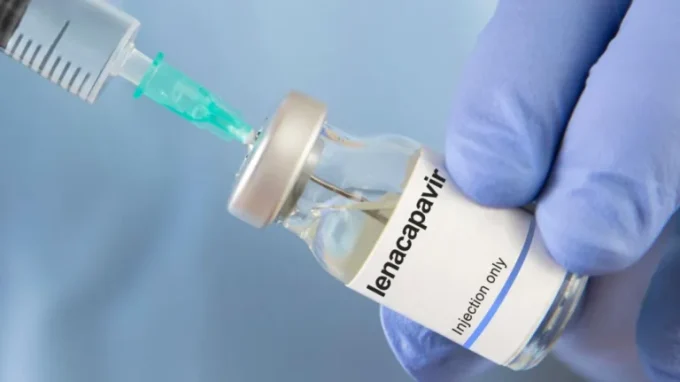
FCT Begins Deployment of New Long-Acting HIV Prevention Injection
The Federal Capital Territory Administration (FCTA) has commenced the introduction of a...

Health
Lagos Event Puts Spotlight on Women’s Health During IWD Commemoration
Health advocates and stakeholders gathered in Lagos to mark the 2026 International...



Leave a comment