Nigeria’s ongoing economic reforms are continuing to reshape the financial landscape, even as fresh data shows a slight rise in inflation for March.
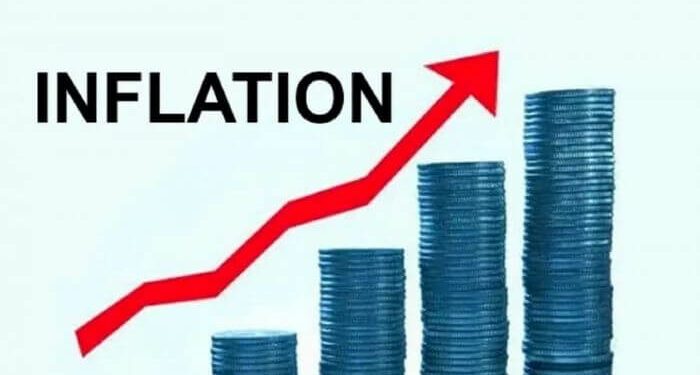
According to the latest figures, the inflation rate climbed to 15.38 percent in March 2026, reversing some of the recent stability seen in previous months. The increase was driven mainly by higher costs of energy, transportation, and food items, which continue to strain household budgets.
The report indicates that price pressures are still present despite earlier signs of easing inflation, with the Consumer Price Index also recording an uptick during the month. Food remains the biggest contributor to overall inflation, followed by transport and restaurant services, while rural areas experienced sharper price increases compared to urban centres.
Economic experts note that while inflation is still significantly lower than the levels seen a year ago, the recent rise highlights the fragile nature of the recovery process. They explain that global factors such as energy market disruptions and supply chain challenges are feeding into domestic price movements.
Private sector representatives have also expressed concern, warning that rising operational costs are affecting businesses, particularly those dependent on fuel and imported inputs.
Despite these challenges, policymakers maintain that the broader reform agenda is yielding positive results. Improvements in foreign exchange stability, rising external reserves, and increased credit to the private sector are seen as key indicators that the economy is gradually stabilising.
Officials argue that monetary and fiscal reforms are beginning to restore investor confidence, with expectations that sustained policy measures will eventually translate into stronger growth and improved living standards.
However, analysts caution that maintaining this progress will require consistent policy direction, careful management of inflationary pressures, and continued support for productive sectors of the economy.

Business
 News MasterUpdated 5 months Ago1 Mins read
Inflation Up in March, but Reforms Continue to Boost Economy
News MasterUpdated 5 months Ago1 Mins read
Share






Related Articles

Business
Hon. Amobi Ogah Engages Global Stakeholders at OTC Texas As Nigeria’s Energy Future Comes in Focus
U.S., Texas — Nigeria’s push for innovation and global collaboration in the...
Business
Fear of Oil Glut as NNPCL Raises Crude Prices Across Grades
Concerns are growing over a possible global oil glut as the Nigerian...
Business
Aliko Dangote’s Wealth Climbs to $34bn After $216m Single-Day Surge
Africa’s richest man, Aliko Dangote, has seen his net worth rise to...
Business
Nigeria’s Petrol Price Drops 15.6% Year-on-Year – NBS
The average retail price of petrol in Nigeria declined by 15.6 per...




Leave a comment