
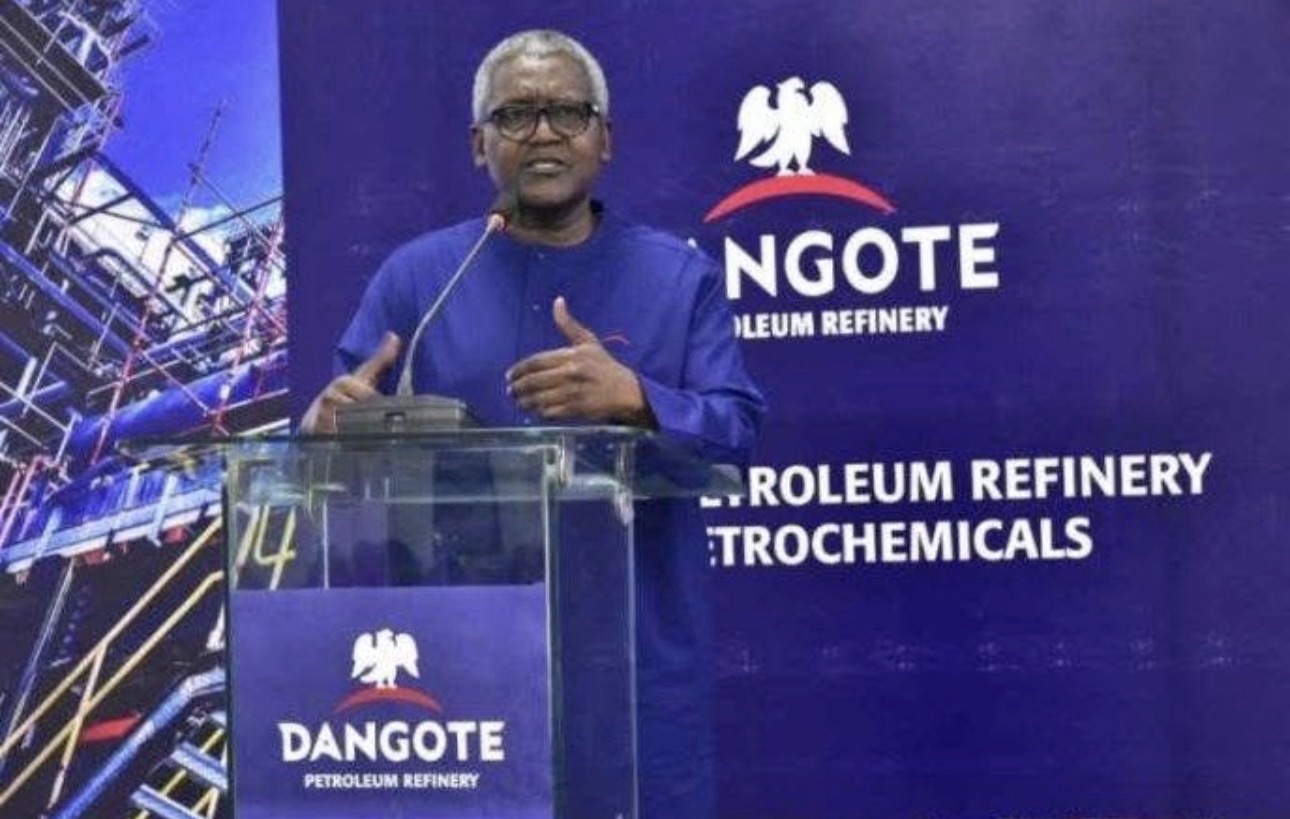
Africa’s largest refinery, the Dangote Petroleum Refinery, has filed a fresh lawsuit against the Federal Government over the continued issuance of fuel import licences to oil marketers and the Nigerian National Petroleum Company Limited (NNPCL).
The suit, filed before the Federal High Court in Lagos, reportedly challenges the approval granted by the Nigerian Midstream and Downstream Petroleum Regulatory Authority (NMDPRA) for the importation of Premium Motor Spirit, popularly known as petrol, into the country.
The refinery is said to be arguing that the issuance of import licences contradicts the provisions of the Petroleum Industry Act, which prioritizes local refining before fuel importation can be approved.
According to reports, Dangote Refinery is asking the court to revoke the licences issued to several marketers and the NNPCL, insisting that the country now has sufficient local refining capacity to meet domestic demand.
The company also alleged that the import approvals violate an earlier court directive ordering all parties to maintain the status quo pending the determination of previous legal disputes on the matter.
Industry sources disclosed that the NMDPRA recently approved the importation of hundreds of thousands of metric tonnes of petrol by licensed marketers, a development that reportedly triggered the fresh legal action.
The case has once again reignited debate within Nigeria’s oil and gas sector over fuel importation, market competition, and the protection of local refining investments.
While supporters of the refinery argue that continued importation undermines local production and discourages investment, others insist that fuel importation remains necessary to guarantee stable supply and prevent scarcity.
Analysts believe the outcome of the legal battle could significantly shape the future of Nigeria’s downstream petroleum sector, especially as the country pushes for self sufficiency in refining and attempts to reduce dependence on imported fuel products.
As of the time of filing this report, neither the Office of the Attorney General of the Federation nor the NNPCL had officially responded to the lawsuit.