
Economic reforms are rarely convenient in their formative stages. Across the world, governments that attempt to correct deeply entrenched structural distortions often encounter resistance because the immediate discomfort is usually more visible than the long term gains. Nigeria is presently navigating one of the most delicate economic transitions in its modern history as authorities seek to recalibrate critical sectors of the national economy.
For decades, Nigeria functioned within an economic framework heavily dependent on subsidies, import driven consumption, unstable fiscal patterns and excessive public expenditure. While such policies may have offered temporary relief and political convenience, economists and development experts have consistently warned that they were fundamentally unsustainable and incapable of supporting enduring national prosperity.
The removal of fuel subsidy, foreign exchange liberalization and ongoing fiscal adjustments have undeniably intensified economic pressure on millions of Nigerians. Inflationary trends have weakened purchasing power, transportation costs have surged, and many small businesses are struggling to remain operational within the current economic climate. These anxieties are legitimate and reflect the harsh realities confronting ordinary citizens daily.
Nevertheless, several policy analysts maintain that postponing difficult reforms would only deepen Nigeria’s long term economic vulnerabilities. History shows that nations which eventually attained macroeconomic stability and industrial growth often passed through painful but necessary phases of restructuring, institutional recalibration and fiscal discipline before experiencing meaningful recovery.
Beyond implementing reforms, there is increasing expectation that government must demonstrate strategic compassion through robust social intervention mechanisms capable of cushioning the effects on vulnerable populations. Economic transformation without inclusive governance, social protection and transparent implementation risks widening public distrust and socio economic discontent.
There is also growing consensus that states and regions capable of positioning themselves strategically during this transition may emerge as major beneficiaries of future economic expansion. Industrial clusters, technology driven enterprises, manufacturing hubs, agricultural value chains and innovation ecosystems could experience unprecedented opportunities if complemented with infrastructure investment and sound policy coordination.
While public opinion may remain polarized regarding the speed and effectiveness of the ongoing reforms, many stakeholders continue to argue that resilience, institutional consistency, accountability and visionary leadership will ultimately determine whether Nigeria successfully transforms its current economic turbulence into sustainable national advancement.
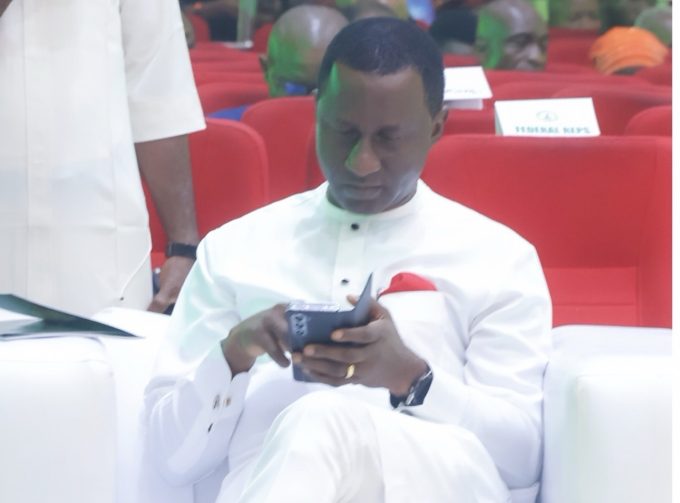
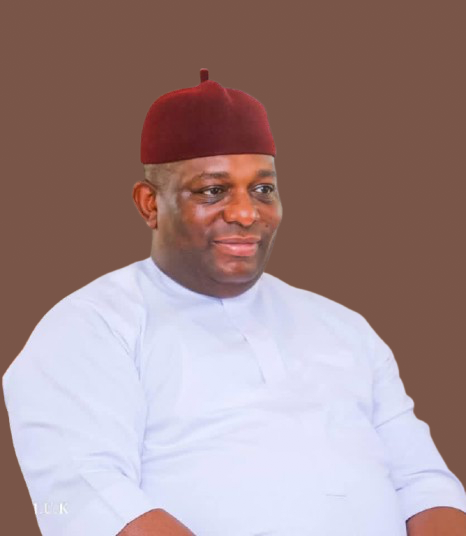
Chief Mascot Uzor Kalu is a former public office holder and Abia 2027 Governorship Election Aspirant.