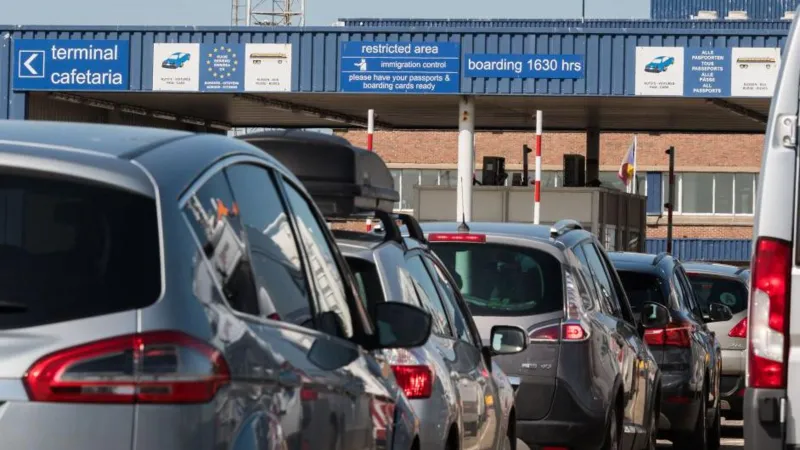
In a significant overhaul of EU border controls, traditional passport stamps will be phased out and replaced with biometric checks starting 12 October, officials have announced. The new Entry/Exit System (EES) will require travellers from non-EU countries, including the UK, to provide fingerprints and facial scans when entering or leaving the EU.
The system, aimed at strengthening border security and streamlining passenger flow, will gradually be introduced across all EU member states over a six-month period, with full implementation expected by 10 April 2026.
Originally scheduled for launch in November last year, the EES faced delays due to technical issues. Once operational, it will apply to all non-EU nationals. Travellers will need to register their biometric data and passport details at their point of departure, whether at airports, ports, or train stations, using designated scanning booths.
There is no fee for registration. The biometric data will be valid for three years, allowing future trips to require only quick verification. Those with ePassports will be able to use automated e-gates.
However, individuals who refuse to provide their biometric information will be denied entry into EU territory.
For most tourists, digital records will be stored for three years and one day. For those who overstay the standard 90-day limit without a visa, data will be held for five years.
The UK government has advised travellers to anticipate delays during busy periods, as the new process may take several minutes to complete. Concerns have already been raised about potential longer wait times at popular entry points, including the Eurotunnel and French border control posts on British soil, such as at the Port of Dover and the Eurostar terminal at St Pancras.
To address potential bottlenecks, hand-held registration devices will be available for motorists, and efforts are being made to streamline the process.
Despite early concerns, EU officials maintain the EES will eventually reduce queue times and enhance security by allowing pre-registered passengers to pass through borders more efficiently.
In May, a new agreement between the UK and EU paved the way for British citizens to access EU e-gates once they are enrolled in the EES. Some countries, like Germany and Bulgaria, already permit e-gate access for UK nationals.
As Europe transitions to a digital border system, travellers are urged to stay informed and prepare for changes when planning trips to the continent.

Business
 News MasterUpdated August 2, 20251 Mins read
Biometric Checks to Replace Passport Stamps at EU Borders from October 12
News MasterUpdated August 2, 20251 Mins read
Share






Related Articles

Business
Hon. Amobi Ogah Engages Global Stakeholders at OTC Texas As Nigeria’s Energy Future Comes in Focus
U.S., Texas — Nigeria’s push for innovation and global collaboration in the...
Business
Fear of Oil Glut as NNPCL Raises Crude Prices Across Grades
Concerns are growing over a possible global oil glut as the Nigerian...

Business
Aliko Dangote’s Wealth Climbs to $34bn After $216m Single-Day Surge
Africa’s richest man, Aliko Dangote, has seen his net worth rise to...
Business
Nigeria’s Petrol Price Drops 15.6% Year-on-Year – NBS
The average retail price of petrol in Nigeria declined by 15.6 per...




Leave a comment