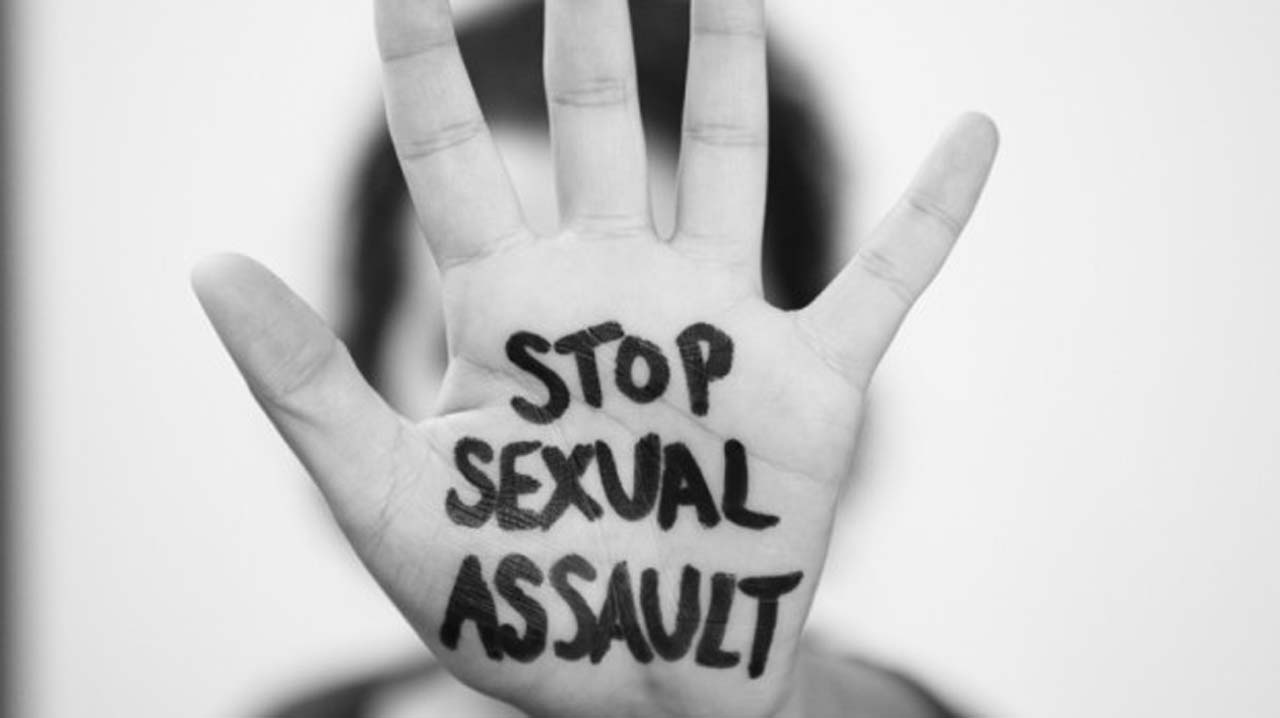
The National Human Rights Commission (NHRC) has reported receiving 406,088 human rights complaints in October 2025, with more than 160 monitored incidents of rights violations across the country, many involving sexual violence against minors.
According to the NHRC’s Human Rights Situation Dashboard presented in Abuja on Monday, the Federal Capital Territory (FCT), Benue, and Borno States recorded the highest numbers of child rights abuses during the period.
Speaking during the presentation, the NHRC Executive Secretary, Dr. Tony Ojukwu (SAN), described the figures as alarming, noting that they reflect persistent issues of sexual and gender-based violence, police brutality, arbitrary detention, and other civil liberty violations nationwide.
> “These are not just numbers; they represent Nigerian mothers, fathers, and children whose dignity has been violated,” Ojukwu said. He called for urgent government and community action to protect vulnerable groups.
The October report highlighted several disturbing cases, including a man in Lagos arrested for allegedly defiling his 19-year-old daughter, and two men in Ekiti accused of sexually assaulting a woman. In the FCT, a 13-year-old hawker and a 15-year-old girl were both reportedly raped in Kuje.
Other cases include a man in Plateau arrested for defiling a three-year-old girl, a father in Enugu accused of assaulting his two daughters, and a 13-year-old girl who was raped at a football academy in Rivers State.
The commission reaffirmed its commitment to securing justice for victims and reiterated its support for the long-standing demand for justice for 13-year-old Ochanya Elizabeth Ogbanje, who died in 2018 after enduring prolonged sexual abuse.
The NHRC also addressed other human rights violations, including a case in Benue State where a pregnant widow was banished from her community for allegedly stealing household items to feed her children. Ojukwu condemned the act as unconstitutional, citing sections 34, 35, 40, and 41 of the 1999 Constitution, which guarantee human dignity, liberty, freedom of association, and movement.
Additionally, the report criticized police actions restricting peaceful protests in the FCT, where demonstrators demanding the release of IPOB leader Nnamdi Kanu were dispersed with tear gas and water cannons. Journalists were reportedly attacked, and several protest leaders arrested.
Responding to recent U.S. criticism over religious killings in Nigeria, Ojukwu clarified that both Christians and Muslims have been victims of extremist groups such as Boko Haram and ISWAP.
> “The real enemy is Boko Haram, which targets both Christians and Muslims,” he said. “We urge the international community to support Nigeria’s counterterrorism efforts through partnership, not condemnation.”
The NHRC called for systemic reforms to strengthen the prosecution of sexual offences and improve support systems for survivors. Ojukwu reaffirmed the commission’s dedication to impartiality, transparency, and independence in line with the Paris Principles.
> “The Dashboard is not a tool for blame, but for advocacy and accountability,” he concluded. “A shared commitment to human rights is essential for Nigeria’s progress.”
The event was attended by representatives from the United Nations and ECOWAS, including Ambassador Fredrich Ebert Stiftung, who commended the NHRC’s data-driven approach to advancing human rights and democracy in Nigeria.

Health
 News MasterUpdated 11 months Ago2 Mins read
NHRC Records Over 406,000 Human Rights Complaints, Raises Alarm on Sexual Violence Against Minors
News MasterUpdated 11 months Ago2 Mins read
Share





Related Articles
Health
WHO Pushes for Faster Global Response as Hepatitis Elimination Goal Faces Delay Risks
The World Health Organization has raised concern over the slow pace of...

Health
Lagos First Lady Supports Lifesaving Child Surgery with N70m Health Intervention
The wife of the Lagos State Governor, Dr. Ibijoke Sanwo-Olu, has strengthened...

Health
FCT Begins Deployment of New Long-Acting HIV Prevention Injection
The Federal Capital Territory Administration (FCTA) has commenced the introduction of a...

Health
Lagos Event Puts Spotlight on Women’s Health During IWD Commemoration
Health advocates and stakeholders gathered in Lagos to mark the 2026 International...



Leave a comment