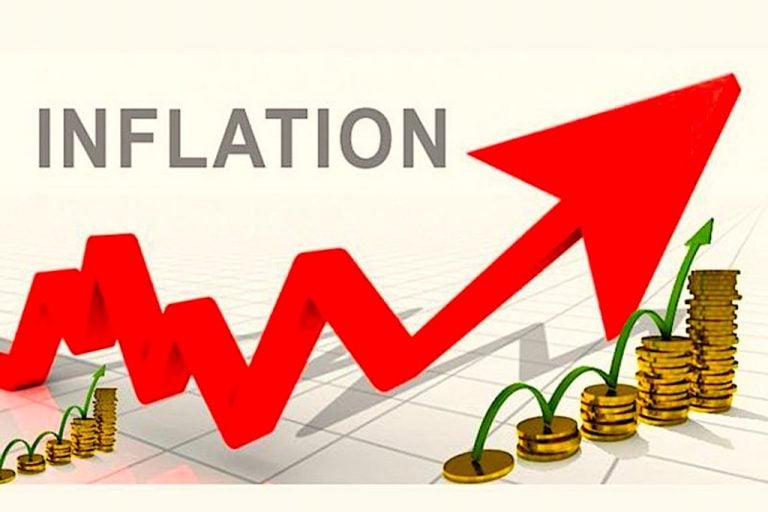
Nigeria’s inflation rate is expected to continue its downward trajectory, according to economists and investment analysts, ahead of the release of October’s figures by the National Bureau of Statistics. The September 2025 inflation print came in at 18.02%, marking six consecutive months of decline.
Cowry Asset Management projects headline inflation to ease further to 17.83%, citing factors such as naira stability, improved foreign exchange liquidity, and sustained food supply from the ongoing harvest season. While early-October increases in petrol prices may exert mild pressure, Cowry noted the impact on overall inflation would be limited due to petrol’s small weighting in the consumer price index (CPI). Cowry also highlighted that month-on-month inflation slowed to 0.72% in September, down from 0.74% in August, while year-on-year inflation was 14.68 percentage points lower than the 32.70% recorded in September 2024.
United Capital’s Inflation Watch forecasts a decline to 16.30% in October, attributing the moderation to falling food prices and a stronger naira, though higher energy costs could push prices slightly upward. Similarly, Access Bank’s Q3 Economic Intelligence Unit report anticipates inflation easing to 16.84% in October, supported by stable exchange rates and improved food supply.
The Independent Media and Policy Initiative (IMPI) expects headline inflation to drop to 14% by year-end, a downward revision from its earlier 17% projection. IMPI highlighted that the decline in inflation over the past six months has likely reduced poverty levels in Nigeria, as lower price pressures help preserve purchasing power. The think tank also anticipates that the Central Bank of Nigeria may reduce the benchmark interest rate by at least 150 basis points at its upcoming monetary policy meeting.

Business
 News MasterUpdated 11 months Ago1 Mins read
Analysts Forecast Continued Drop in Nigeria’s Inflation, Eye Year-End Rate Below 14%
News MasterUpdated 11 months Ago1 Mins read
Share






Related Articles

Business
Hon. Amobi Ogah Engages Global Stakeholders at OTC Texas As Nigeria’s Energy Future Comes in Focus
U.S., Texas — Nigeria’s push for innovation and global collaboration in the...
Business
Fear of Oil Glut as NNPCL Raises Crude Prices Across Grades
Concerns are growing over a possible global oil glut as the Nigerian...
Business
Aliko Dangote’s Wealth Climbs to $34bn After $216m Single-Day Surge
Africa’s richest man, Aliko Dangote, has seen his net worth rise to...
Business
Nigeria’s Petrol Price Drops 15.6% Year-on-Year – NBS
The average retail price of petrol in Nigeria declined by 15.6 per...




Leave a comment