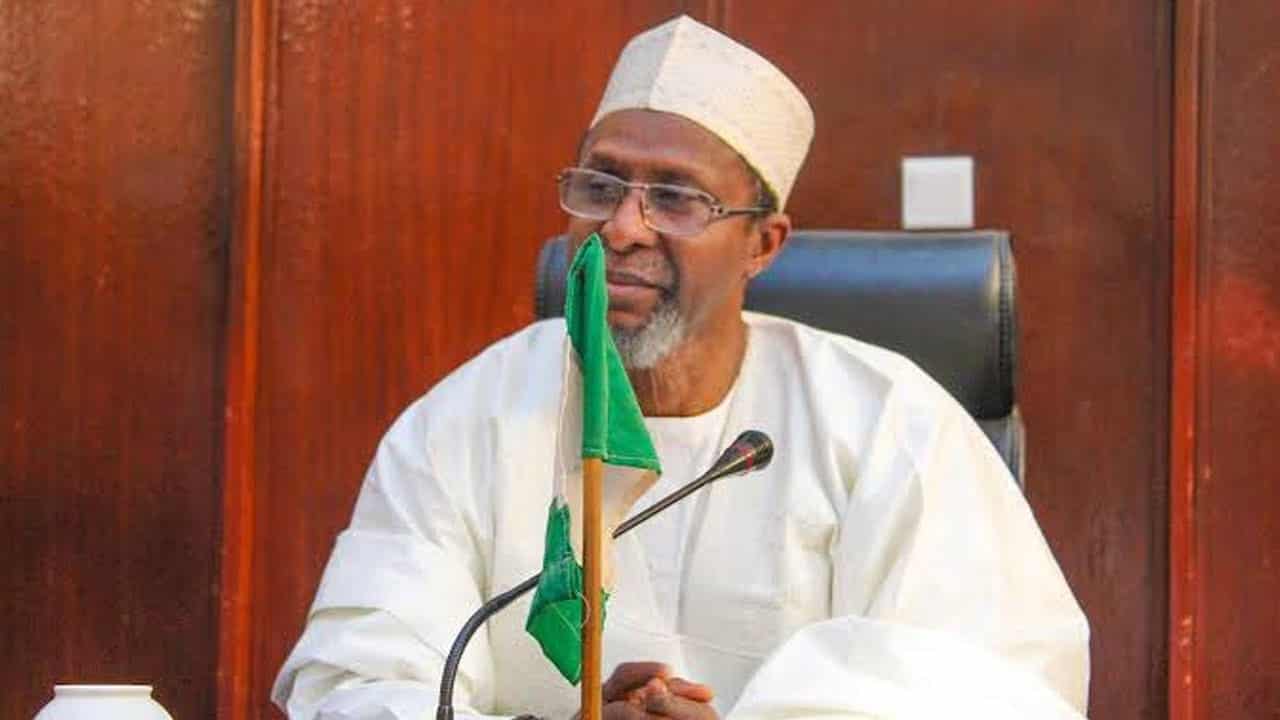
Nigeria’s path to industrial growth is unfolding at a time of intense environmental and developmental pressure, the Minister of Environment, Alhaji Balarabe Abbas Lawal, has warned. He emphasized that the country must urgently accelerate the shift toward cleaner and more efficient production systems to remain competitive.
Speaking in Abuja at an awareness workshop on Resource Efficiency and Cleaner Production (RECP), themed “I Go Greener,” the Minister, represented by the Director in the Ministry, Engr. Bahyahtu Abubakar, stated that climate change, pollution, outdated industrial processes, and unsustainable consumption patterns are undermining productivity and national wellbeing.
The workshop was organized under the Global Environment Facility (GEF) project titled Improving Nigeria’s Industrial Energy Performance & Resource Efficient Cleaner Production through Programmatic Approaches and the Promotion of Innovation in Clean Technology Solutions. It brought together government officials, development partners, and industry leaders to promote clean technology innovation.
According to Lawal, Nigeria stands “at a crossroads” where environmental, economic, and social challenges pose significant threats to sustainable growth. However, he noted that these challenges also present opportunities to strengthen institutions, correct inefficiencies, and reposition industries on a more resilient trajectory.
He explained that the GEF-supported initiative aims to address these gaps by scaling clean technology models, improving energy-efficient production systems, and establishing best-practice frameworks for industries nationwide.
Representing UNIDO Regional Director Ambassador Philbert Johnson, Field Coordinator Charles Uzoma described the project as a strategic intervention aligned with Nigeria’s climate commitments and circular economy goals. He stressed the urgent need to eliminate structural barriers slowing clean-technology adoption.
“Cleaner technologies and resource efficiency are essential for competitiveness, yet progress remains slow,” Uzoma said. “The regulatory tools unveiled today are vital steps toward coherence, institutional learning, and stronger compliance.”
He reaffirmed UNIDO’s commitment to providing technical expertise, global best practices, and capacity-building support to help Nigeria transition to modern, low-carbon production systems.
Industry representatives echoed the call, noting their willingness to adopt cleaner production practices but highlighting the need for supportive policies. They requested improved incentives, affordable green financing, and clearer regulatory frameworks.
Speaking for private-sector operators, Ike Charles Chukwuemeka, Health, Safety and Environment Manager, said industries are committed to reducing waste and improving energy efficiency but require stronger partnerships with regulators and development partners to achieve national sustainability targets.
He commended the organizers and expressed his company’s readiness to align with both national and global environmental standards. “We look forward to continued collaboration toward a cleaner and more resource-efficient future,” he said.

National
 News MasterUpdated 10 months Ago2 Mins read
Nigeria at a Critical Turning Point in Clean Industrial Transition – Minister
News MasterUpdated 10 months Ago2 Mins read
Share





Related Articles

National
Nigeria Moves Against South Africa Over Killing of Citizens, Demands Accountability
The Federal Government has intensified diplomatic pressure on South Africa following the...
National
Reps Approve Bill for New Federal Medical Centre in Ikwuano, Awaits Senate Approval
The House of Representatives has passed a bill sponsored by Hon. Obi...
National
FG Targets Malnutrition with New 10-Year Nutrition Policy
The Federal Government has taken a major step toward tackling malnutrition following...

National
Kalu’s Lawyers Reject Petition Seeking Revocation of Law School Certificate
Legal representatives of the Deputy Speaker of the House of Representatives, Benjamin...




Leave a comment