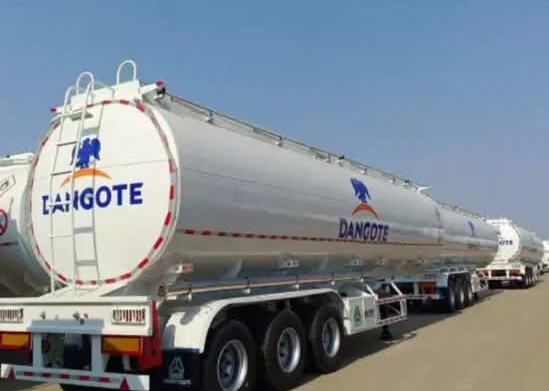
Nigeria’s Dangote Petroleum Refinery has sounded a warning that the way fuel is transported from its plant could affect what drivers pay at the pumps. The company says choosing to move petrol by sea — instead of using its built‑in truck loading system — can add extra charges that might eventually be reflected in retail prices.
In a statement this week, the refinery explained that hauling petrol along the coast introduces additional expenses like port fees and shipping levies, which do not directly benefit consumers. It said these charges could add about ₦75 to each litre of fuel. If marketers pass that cost onto motorists, Nigeria’s petrol price could inch closer to around ₦1,000 per litre — a level that would strain many households.
Dangote Refinery stressed that it does not forbid marketers from using coastal logistics, but reminded them that its own gantry system — a large truck loading facility — remains a more cost‑efficient option. The facility is designed to move millions of litres of petrol and diesel each day, reducing reliance on higher‑cost transportation.
The company also noted that Nigeria’s daily fuel consumption is high, meaning that inefficient transport choices could quickly add up to substantial extra costs for the economy and consumers alike.
Overall, the refinery’s message highlights how distribution decisions — not just production — play a key role in determining fuel affordability across the country.

Business
 News MasterUpdated 8 months Ago1 Mins read
Price Alert: Nigeria Could See Petrol Near ₦1,000 If Coastal Delivery Costs Are Passed On
News MasterUpdated 8 months Ago1 Mins read
Share






Related Articles

Business
Hon. Amobi Ogah Engages Global Stakeholders at OTC Texas As Nigeria’s Energy Future Comes in Focus
U.S., Texas — Nigeria’s push for innovation and global collaboration in the...
Business
Fear of Oil Glut as NNPCL Raises Crude Prices Across Grades
Concerns are growing over a possible global oil glut as the Nigerian...
Business
Aliko Dangote’s Wealth Climbs to $34bn After $216m Single-Day Surge
Africa’s richest man, Aliko Dangote, has seen his net worth rise to...
Business
Nigeria’s Petrol Price Drops 15.6% Year-on-Year – NBS
The average retail price of petrol in Nigeria declined by 15.6 per...




Leave a comment