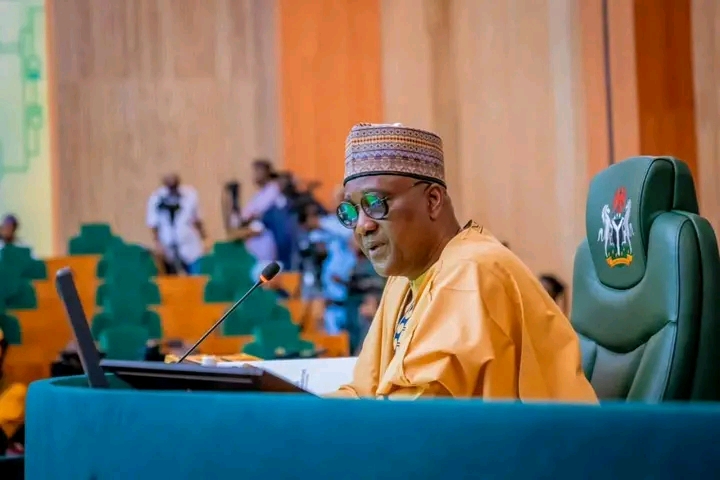
The National Assembly has officially approved a hybrid system for transmitting election results, combining electronic and manual methods, in the recently amended Electoral Act. The decision, explained by the Speaker of the House of Representatives, Tajudeen Abbas, is designed to prevent voter disenfranchisement, address low voter turnout, and ensure wider participation in the 2027 general elections.
Abbas highlighted that Nigeria’s limited internet penetration and unstable electricity supply make fully real-time electronic transmission unfeasible in many areas. “A completely electronic system could leave large portions of the country unable to vote,” he said, stressing that a hybrid model allows the commission to use electronic transmission where infrastructure permits and revert to manual reporting where necessary.
The Speaker made the announcement during a meeting with the Spanish Ambassador to Nigeria, Felix Costales, noting Spain’s experience with combining manual and electronic result transmission. He emphasized that international collaboration and technical guidance would help strengthen Nigeria’s electoral processes over time.
President Bola Ahmed Tinubu has assented to the amendment, officially legalizing the flexible system. While some critics have raised concerns over potential transparency issues, supporters say the hybrid model is a pragmatic approach that balances technological innovation with Nigeria’s current infrastructural challenges, aiming to make the 2027 elections more credible and inclusive.

Featured
 News MasterUpdated 7 months Ago1 Mins read
National Assembly Adopts Hybrid Election Result System to Boost Inclusion, Cites Infrastructure Limits
News MasterUpdated 7 months Ago1 Mins read
Share


Related Articles
Featured
ARTICLE: Service Beyond the Ballot: Chief Mascot Uzor Kalu’s Enduring Commitment to the People
Leadership is not defined solely by electoral victory or the office one...
Featured
Supreme Court Set to Rule on PDP and ADC Leadership Disputes Today
Nigeria’s political landscape is on edge as the Supreme Court prepares to...
Featured
Mass Demonstrations in South Africa Highlight Rising Tensions Over Foreign Nationals
Large-scale demonstrations broke out across several major cities in South Africa as...
Featured
Article: Fixing Nigeria Starts with Fixing the States by Dr Uche Ogah
By Uche Ogah Nigeria’s development challenge is not merely a national dilemma....



Leave a comment