Fintiri’s Defection Reshapes North-East Politics Ahead of 2027
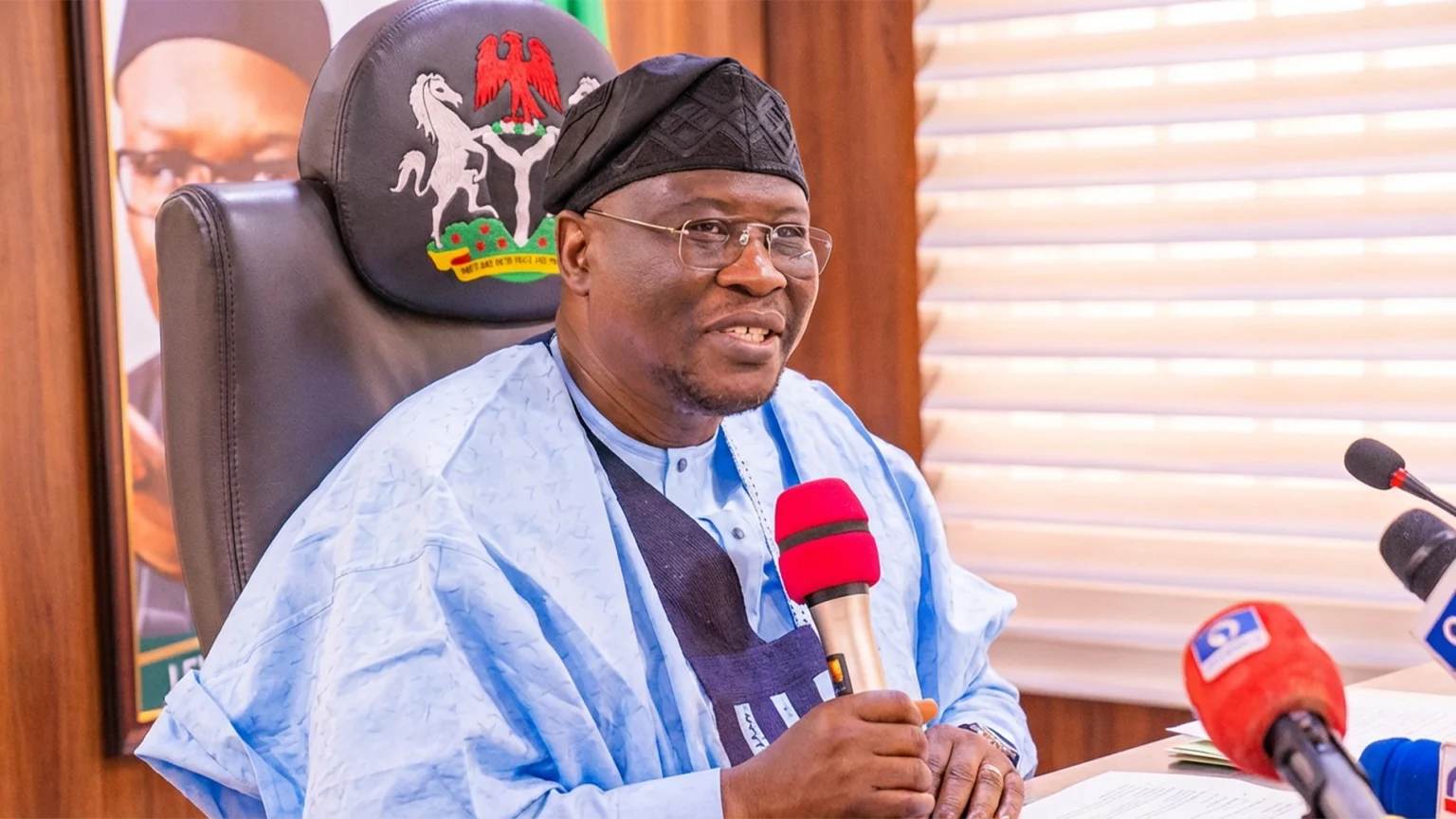
The decision by Adamawa State Governor, Ahmadu Umaru Fintiri, to leave the Peoples Democratic Party (PDP) for the ruling All Progressives Congress (APC) has stirred political debate across the North-East, with implications for the 2027 presidential election.
Observers say the move signals a potential consolidation of support for President Bola Tinubu in the region, regardless of whether Vice President Kashim Shettima remains on the ticket. While some interpret the defection as a strategic alignment with the centre, critics describe it as an act of political self-preservation.
Critics Question Motives
Among the most vocal critics is Dr Umar Ardo, Co-convener of the League of Northern Democrats (LND) and a former governorship contender in Adamawa. He described Fintiri’s switch as a “last-minute defection” that would neither shield him from public scrutiny nor legal accountability.
Ardo alleged that the governor faces a pending five-count charge involving corruption and money laundering at the Federal High Court in Abuja. He insisted that changing party affiliation would not absolve anyone from due process.
According to him, political realignments cannot erase public concerns about governance or substitute for transparency and accountability. He argued that defections motivated by personal survival undermine democratic values and erode public trust.
Similarly, former Vice President Atiku Abubakar, through his media aide Paul Ibe, dismissed the growing wave of defections to the APC as evidence of political pressure rather than popularity. He cautioned against equating cross-carpeting with grassroots support, noting that while politicians may defect for survival, ordinary Nigerians are primarily concerned with economic realities.
A Complex Political Journey
Fintiri’s political career has been closely tied to the PDP. The party provided the platform that saw him emerge as Speaker of the Adamawa State House of Assembly and later governor in 2019, when he defeated incumbent Jibril Bindow of the APC. He secured a second term in 2023 after a fiercely contested race against Senator Aishatu Dahiru Ahmed (Binani).
However, his relationship with Atiku deteriorated during the 2023 presidential election cycle. Fintiri aligned with a faction led by Nyesom Wike in opposing Atiku’s candidacy. The rift deepened following controversial political decisions within the state, including the restructuring of the Adamawa Emirate, a move widely viewed as affecting Atiku’s traditional title.
As internal divisions continued to weaken the PDP and new coalition efforts such as the African Democratic Congress (ADC) gained traction, Fintiri reportedly assessed his political future. With limited influence over succession politics within the opposition and speculation about potential alignments in 2027, the APC appeared to offer a more secure platform.
Analysts suggest that joining the ruling party could enhance Fintiri’s prospects after leaving office, whether through a Senate bid, a ministerial appointment, or by backing other influential figures from the state.
The February 27 Declaration
On February 27, during a statewide broadcast from Yola, Fintiri formally announced his return to the APC — the same party he unseated eight years ago.
He said the decision followed broad consultations and was guided by the long-term interests of Adamawa State.
“This alignment will enable Adamawa State to effectively support and leverage the Renewed Hope Agenda of President Bola Ahmed Tinubu,” he stated, adding that the move was not driven by personal ambition but by a desire to secure greater development opportunities for the state.
The governor emphasised that he was moving with the full political structure of the state, including all 226 wards and 21 local government areas, as well as elected and appointed officials.
PDP Reacts
The PDP condemned the defection, describing it as a setback for multi-party democracy. In a statement signed by its National Publicity Secretary, Ini Ememobong, the party acknowledged Fintiri’s constitutional right to freedom of association but questioned the moral implications of the move.
The party warned that political history and public opinion would ultimately judge the actions of elected officials.
Mass Defections Follow
Subsequent developments underscored the governor’s influence. Twenty-two members of the State Executive Council publicly declared their loyalty to him and joined the APC. Commissioners, special advisers, and 14 local government chairmen also defected.
Chairman of the Commissioners’ Forum, Aloysius Babadoke, said the decision reflected confidence in Fintiri’s leadership, while Commissioner for Information, Iliya James, described the move as an expression of solidarity with the governor.
Special Adviser on Inter-party Affairs, Bala Buna Jada, explained that their decision was based on consultations aimed at safeguarding Adamawa’s interests in a shifting national landscape. Local government officials echoed similar sentiments, calling the move strategic rather than opportunistic.
Implications for 2027
Fintiri’s defection significantly alters the political equation in Adamawa and the broader North-East. Should Atiku Abubakar seek the presidency again, he may face a formidable APC structure in his home state, now reinforced by Fintiri’s political machinery and other influential actors.
At a regional level, the move strengthens the APC’s foothold in the North-East amid ongoing speculation about possible adjustments to the party’s 2027 ticket.
Whether the governor’s decision ultimately proves to be a strategic masterstroke or a defensive manoeuvre remains to be seen. What is clear, however, is that his return to the APC has recalibrated alliances in Adamawa and intensified debates about ideology, accountability, and survival within Nigeria’s evolving political landscape.

State News
 News MasterUpdated 6 months Ago3 Mins read
Fintiri’s Defection Reshapes North-East Politics Ahead of 2027
News MasterUpdated 6 months Ago3 Mins read
Share



Related Articles

State News
Delta Police Arrest Four Officers Over Fatal Shooting, PRO Describes Incident as Deeply Troubling
The Delta State Police Command has confirmed the arrest of four officers...
State News
Otti’s Chief of Staff Urges Journalists to Uphold Objectivity, Reaffirms Commitment to Good Governance
The Chief of Staff to the Abia State Governor, Pastor Caleb Ajagba,...

State News
Ondo Poly Student Found Dead in Apartment, Police Launch Investigation
A 20-year-old student of Rufus Giwa Polytechnic, Owo (RUGIPO), Ondo State, has...

State News
Fubara Targets January 2027 for Completion of New Modern Market Project in Rivers
Rivers State Governor, Siminalayi Fubara, has announced that the ongoing construction of...



Leave a comment