The Anambra State Government has come under scrutiny after reducing the February salaries of workers who participated in the Monday sit-at-home order. The sit-at-home, which has been a regular practice in the region, saw many workers staying home as part of a broader civil movement in southeastern Nigeria. Some employees have reported receiving significantly lower pay as a result of their non-attendance at work.
The government has justified the salary cuts, citing the non-compliance with work obligations during the mandated workweek. Officials argue that such measures are necessary to maintain order and accountability in the public service, while also discouraging the widespread observance of the weekly sit-at-home.
However, workers have expressed dissatisfaction, claiming that the move unfairly penalizes them for adhering to a social order they did not create. The controversy has sparked debates about the government’s response to the region’s ongoing civil and political unrest, with many questioning the fairness of the wage adjustments.
As the situation unfolds, calls for more transparent policies on salary deductions and workers’ rights are growing, with many urging the state to consider the broader social and political context of the ongoing sit-at-home practices.

State News
 News MasterUpdated 7 months Ago1 Mins read
Anambra Government Cuts February Salaries of Workers Who Observed Monday Sit-at-Home
News MasterUpdated 7 months Ago1 Mins read
Share




Related Articles

State News
Delta Police Arrest Four Officers Over Fatal Shooting, PRO Describes Incident as Deeply Troubling
The Delta State Police Command has confirmed the arrest of four officers...
State News
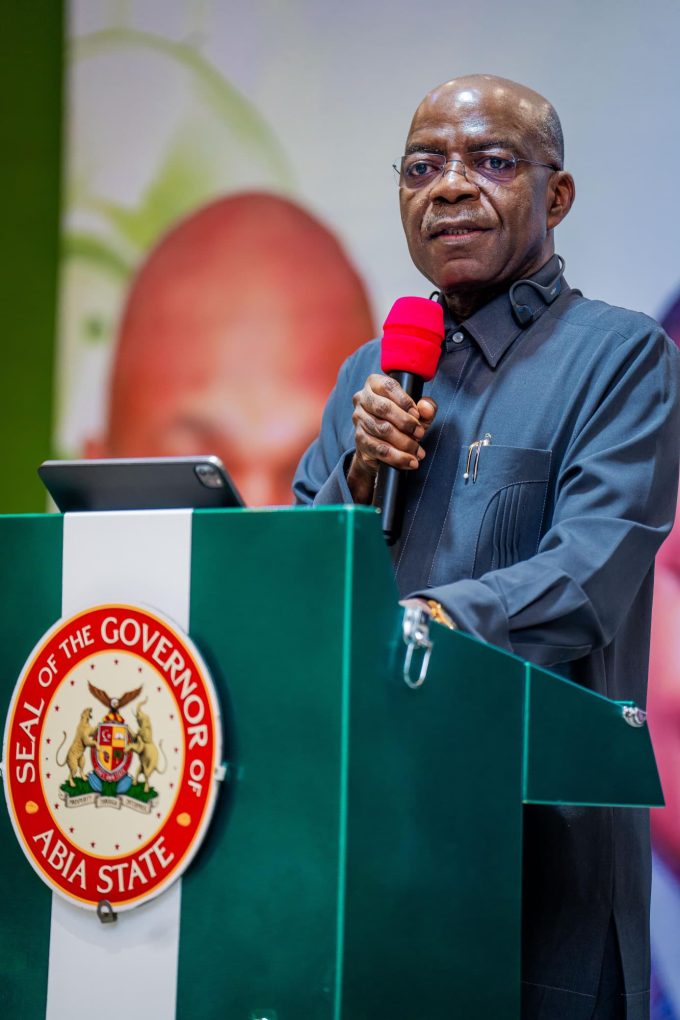
Otti’s Chief of Staff Urges Journalists to Uphold Objectivity, Reaffirms Commitment to Good Governance
The Chief of Staff to the Abia State Governor, Pastor Caleb Ajagba,...

State News
Ondo Poly Student Found Dead in Apartment, Police Launch Investigation
A 20-year-old student of Rufus Giwa Polytechnic, Owo (RUGIPO), Ondo State, has...
State News
Fubara Targets January 2027 for Completion of New Modern Market Project in Rivers
Rivers State Governor, Siminalayi Fubara, has announced that the ongoing construction of...




Leave a comment