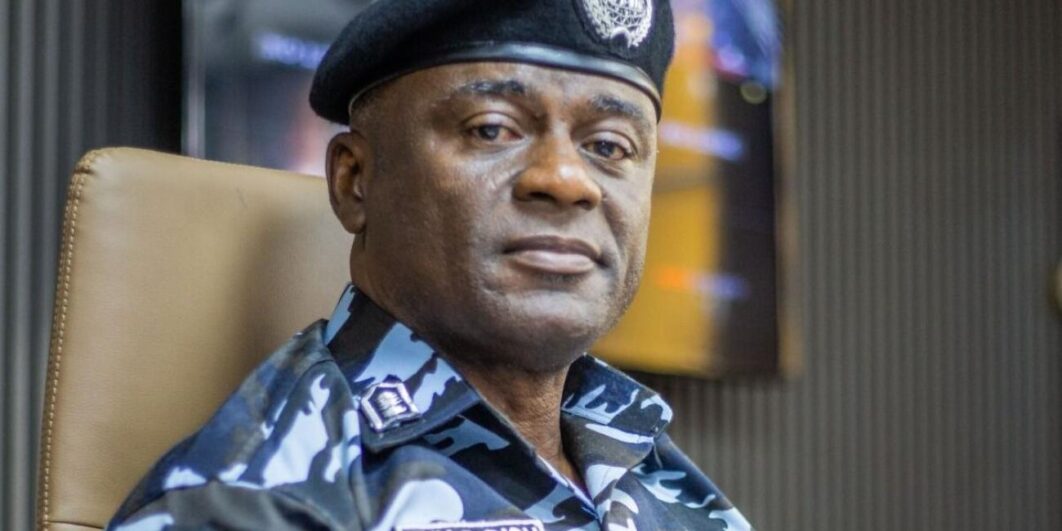
Inspector-General of Police (IGP), Olatunji Disu, has inaugurated a committee to examine the framework for the establishment of state police in Nigeria, reviving discussions on long-awaited policing reforms amid growing security challenges across the country.
The move comes as calls for decentralised policing gain momentum, even though concerns persist about constitutional limitations and the potential misuse of state-controlled police by political leaders.
Speaking during the inauguration of the committee, Disu said Nigeria’s security situation demands innovative approaches and strategic collaboration to make law enforcement more responsive to local realities while maintaining the rule of law.
According to him, the committee’s assignment is critical to strengthening the nation’s internal security architecture.
“The task before this committee is both significant and timely, as it addresses the need to strengthen Nigeria’s internal security and ensure policing remains responsive to community realities,” the IGP said.
Disu explained that a well-structured state police system could enhance intelligence gathering and improve response time to security threats by bringing law enforcement closer to local communities.
He added that decentralised policing would allow state governments to tackle local security challenges more effectively, while the Federal Government focuses on national security issues such as terrorism, organised crime, cybercrime and human trafficking.
The police chief also assured officers of the Nigeria Police Force that the introduction of state police would not threaten their jobs, stressing that the federal police would continue to play a central role in national law enforcement.
“Our vision is one of synergy, not competition; partnership, not duplication,” he said.
The committee is expected to develop a roadmap for the possible implementation of state policing and study policing systems in other countries to align any proposed framework with global best practices.
Members of the committee include Commissioner of Police Bode Ojajuni (Secretary), Deputy Commissioners of Police Okebechi Agora and Suleiman Gulma, Assistant Commissioner of Police Ikechukwu Okafor, Chief Superintendent of Police Tolulope Ipinmisho, and retired Commissioner of Police Emmanuel Ojukwu.
Despite growing support for state police, the initiative faces significant constitutional and political hurdles. Section 214 of the 1999 Constitution recognises only one police force for the federation, meaning the creation of state police would require a constitutional amendment approved by two-thirds of the National Assembly and at least 24 state Houses of Assembly.
Critics have also expressed fears that governors could use state police to target political opponents, recalling the alleged abuse of regional police forces during Nigeria’s First Republic.
Funding is another major concern, as many states already struggle with salary arrears and pension obligations, raising questions about their capacity to finance recruitment, training and operational costs of new police structures.
However, supporters argue that Nigeria’s centralised policing system is overstretched and too distant from local communities to effectively address security challenges.
Reacting to the development, the Yoruba socio-political group, Afenifere, cautioned against rushing the process. Its spokesman, Justice Faloye, said Nigerians should wait to see the committee’s proposal before drawing conclusions.
Former Deputy National Chairman of the Peoples Democratic Party (PDP), Chief Bode George, also called for strong safeguards against possible abuse of state police powers, including independent oversight mechanisms and guaranteed funding structures.
The Nigeria Union of Journalists (NUJ) backed the IGP’s decision, saying the existing police institution should participate in discussions on reforms that would affect its operations.
However, Aare Ona Kakanfo of Yorubaland, Gani Adams, questioned why the Federal Police was setting up a committee on state policing, arguing that the responsibility should primarily rest with the National Assembly.
Meanwhile, lawyer and security expert, Dr. Charles Omole, clarified that the committee cannot implement state police but can only produce a position paper from the perspective of the Nigeria Police Force for consideration during broader national consultations.
He noted that the proposal would eventually be part of deliberations led by the National Assembly as part of the constitutional amendment process.
Analysts say the inauguration of the committee signals growing willingness within the police hierarchy to engage in reform discussions that could reshape Nigeria’s policing structure. However, they note that the establishment of state police will depend largely on political consensus, constitutional amendments and the creation of strong safeguards against abuse.

National
 News MasterUpdated 7 months Ago3 Mins read
IGP Inaugurates Committee on State Police as Debate Over Policing Reform Intensifies
News MasterUpdated 7 months Ago3 Mins read
Share


Related Articles
National
Nigeria Moves Against South Africa Over Killing of Citizens, Demands Accountability
The Federal Government has intensified diplomatic pressure on South Africa following the...
National
Reps Approve Bill for New Federal Medical Centre in Ikwuano, Awaits Senate Approval
The House of Representatives has passed a bill sponsored by Hon. Obi...
National
FG Targets Malnutrition with New 10-Year Nutrition Policy
The Federal Government has taken a major step toward tackling malnutrition following...
National
Kalu’s Lawyers Reject Petition Seeking Revocation of Law School Certificate
Legal representatives of the Deputy Speaker of the House of Representatives, Benjamin...



Leave a comment