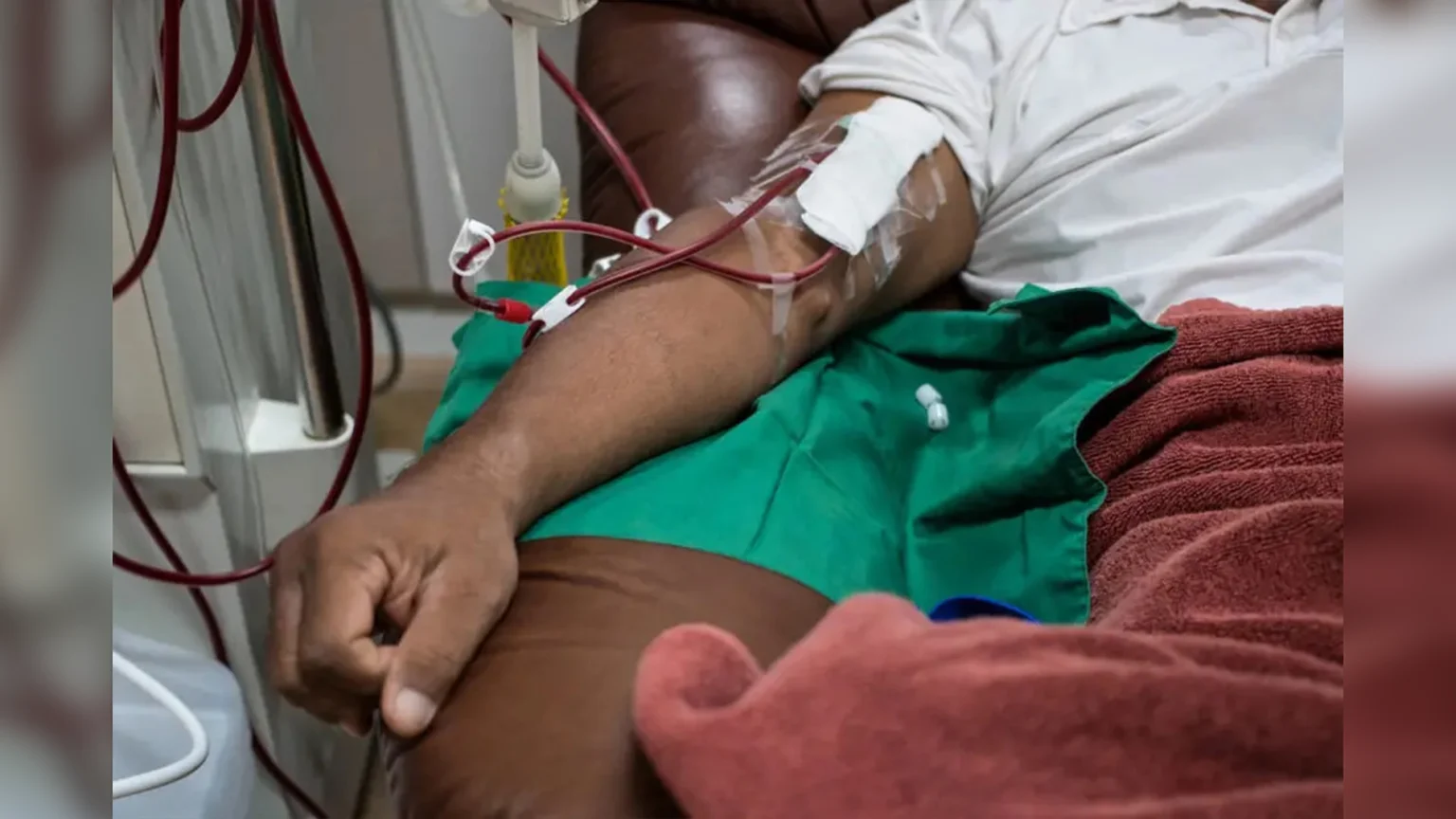
As the world observes World Kidney Day, concerns are mounting in Nigeria over the soaring cost of treating kidney disease, a situation caregivers and health experts say is threatening the survival of many patients.
Currently, the cost of dialysis ranges between ₦50,000 and ₦80,000 per session, while a kidney transplant can cost between ₦25 million and ₦30 million, depending on the hospital and location. The high cost of treatment has made access to life-saving care extremely difficult for many Nigerians.
To ease the burden, the Federal Government recently introduced a dialysis subsidy in 10 centres across the country, reducing the cost to about ₦12,000 per session in those facilities. However, caregivers and medical professionals say the intervention remains limited and far from adequate to meet the growing demand for kidney care.
Growing health crisis
Health experts estimate that about 25 million Nigerians are living with chronic kidney disease (CKD), with roughly 45,000 deaths recorded annually from related complications. Globally, the World Health Organisation (WHO) identifies kidney disease as one of the leading causes of death.
Statistics from the International Society of Nephrology (ISN) show that more than 850 million people worldwide suffer from some form of kidney disease, a figure far higher than the global prevalence of diabetes, cancer, or HIV/AIDS.
In Nigeria, dialysis is often required two to three times weekly for advanced kidney disease, meaning patients may spend over ₦150,000 every week on treatment alone.
Limited facilities and specialists
Nigeria’s capacity to manage kidney disease remains limited. The Nephrology Association of Nigeria (NAN) estimates that the country has over 200 dialysis centres and about 800 functional dialysis machines, far below the 5,000 machines needed to adequately serve patients nationwide.
Professor Jacob Olugbenga Awobusuyi, a nephrologist and former president of NAN, described kidney care in Nigeria as extremely expensive, particularly for patients with stage five kidney disease.
According to him, in addition to the high cost of dialysis and transplantation, patients who undergo kidney transplant must also spend between ₦600,000 and ₦700,000 monthly on drugs that prevent organ rejection during the early stages after surgery.
Awobusuyi explained that diabetes, hypertension and glomerulonephritis are among the leading causes of chronic kidney disease in Nigeria. Other factors include HIV, hepatitis, prostate enlargement, sickle cell disease, congenital abnormalities, environmental toxins and drug abuse.
He also noted that many Nigerians remain unaware they have kidney disease until it reaches an advanced stage, stressing the need for regular health checkups and early detection.
Rising costs and economic impact
Experts say the cost of treatment has increased significantly over the years. Dialysis sessions that once cost ₦20,000 to ₦30,000 more than a decade ago now cost up to ₦80,000, while the price of kidney transplants has risen from about ₦7 million–₦10 million in the past to nearly ₦30 million today.
Professor Babatunde Salako, consultant nephrologist at the University of Ibadan, noted that most materials used for dialysis and transplantation are imported, making the sector vulnerable to foreign exchange fluctuations.
Salako added that many kidney disease patients in Nigeria fall within the 20 to 50 age bracket, meaning the condition significantly affects people in their most economically productive years. This not only places a heavy burden on families but also impacts national productivity.
Brain drain worsens manpower shortage
Another major challenge is the shortage of kidney specialists. According to Salako, the migration of medical professionals abroad has significantly reduced the number of nephrologists available in Nigeria.
He revealed that during a recent recruitment exercise at the College of Medicine, University of Ibadan, the institution was unable to find a single nephrologist to employ.
Although the Federal Government has increased admission quotas for medical programmes, Salako said the effects of the policy may take five to six years before producing enough specialists.
Call for broader health insurance coverage
Medical experts say the most effective way to address the crisis is through expanded health insurance coverage that includes dialysis and post-transplant medications.
Dr Theophilus Umeizudike, consultant transplant physician and nephrologist at the Lagos State University Teaching Hospital, explained that patients undergoing dialysis twice weekly may spend ₦400,000 to ₦500,000 monthly, amounting to around ₦6 million annually, excluding other treatments.
He added that although kidney transplantation is expensive, it often improves patients’ quality of life after the procedure.
Umeizudike noted that the federal government’s dialysis subsidy is a positive step but currently covers only about 0.5 percent of facilities offering dialysis services.
Prevention remains critical
Experts emphasise that prevention remains the most effective way to combat kidney disease. They advise Nigerians to adopt healthy lifestyles by exercising regularly, drinking adequate water, eating balanced diets, avoiding smoking and excessive alcohol, and monitoring blood pressure and blood sugar levels.
Professor Aliyu Abdu of Bayero University, Kano, also warned that high consumption of processed foods and excessive salt intake can increase the risk of kidney disease by placing additional strain on the kidneys.
He explained that when the kidneys fail to eliminate excess sodium effectively, it can lead to high blood pressure, fluid retention and eventual kidney failure, which may also increase the risk of cardiovascular diseases.
Health experts therefore stress the need for greater government investment, improved healthcare infrastructure and stronger awareness campaigns to tackle the growing burden of kidney disease in Nigeria.

Health
 News MasterUpdated 7 months Ago3 Mins read
World Kidney Day: Rising dialysis, transplant costs worsen burden for patients and caregivers
News MasterUpdated 7 months Ago3 Mins read
Share






Related Articles
Health
WHO Pushes for Faster Global Response as Hepatitis Elimination Goal Faces Delay Risks
The World Health Organization has raised concern over the slow pace of...

Health
Lagos First Lady Supports Lifesaving Child Surgery with N70m Health Intervention
The wife of the Lagos State Governor, Dr. Ibijoke Sanwo-Olu, has strengthened...
Health
FCT Begins Deployment of New Long-Acting HIV Prevention Injection
The Federal Capital Territory Administration (FCTA) has commenced the introduction of a...

Health
Lagos Event Puts Spotlight on Women’s Health During IWD Commemoration
Health advocates and stakeholders gathered in Lagos to mark the 2026 International...




Leave a comment