
An energy policy advocacy group has urged President Bola Ahmed Tinubu to carefully review the economic implications of newly approved petrol import permits, warning that the move could undermine Nigeria’s efforts to strengthen local refining capacity.
The Energy Transparency and Market Justice Initiative (ETMJI) gave the warning in a statement issued on Sunday in Abuja. The group expressed concern that approvals granted by the Nigerian Midstream and Downstream Petroleum Regulatory Authority (NMDPRA) may produce unintended economic consequences if not properly managed.
President of ETMJI, Salako Kareem, said Nigeria is currently at a crucial stage in its energy transition, noting that policy decisions taken now will determine whether the country can finally overcome its long-standing dependence on imported refined petroleum products.
While acknowledging the regulator’s responsibility to ensure adequate fuel supply, Kareem cautioned that expanding petrol import approvals at this time could weaken policies aimed at encouraging domestic refining and ensuring long-term stability in the petroleum sector.
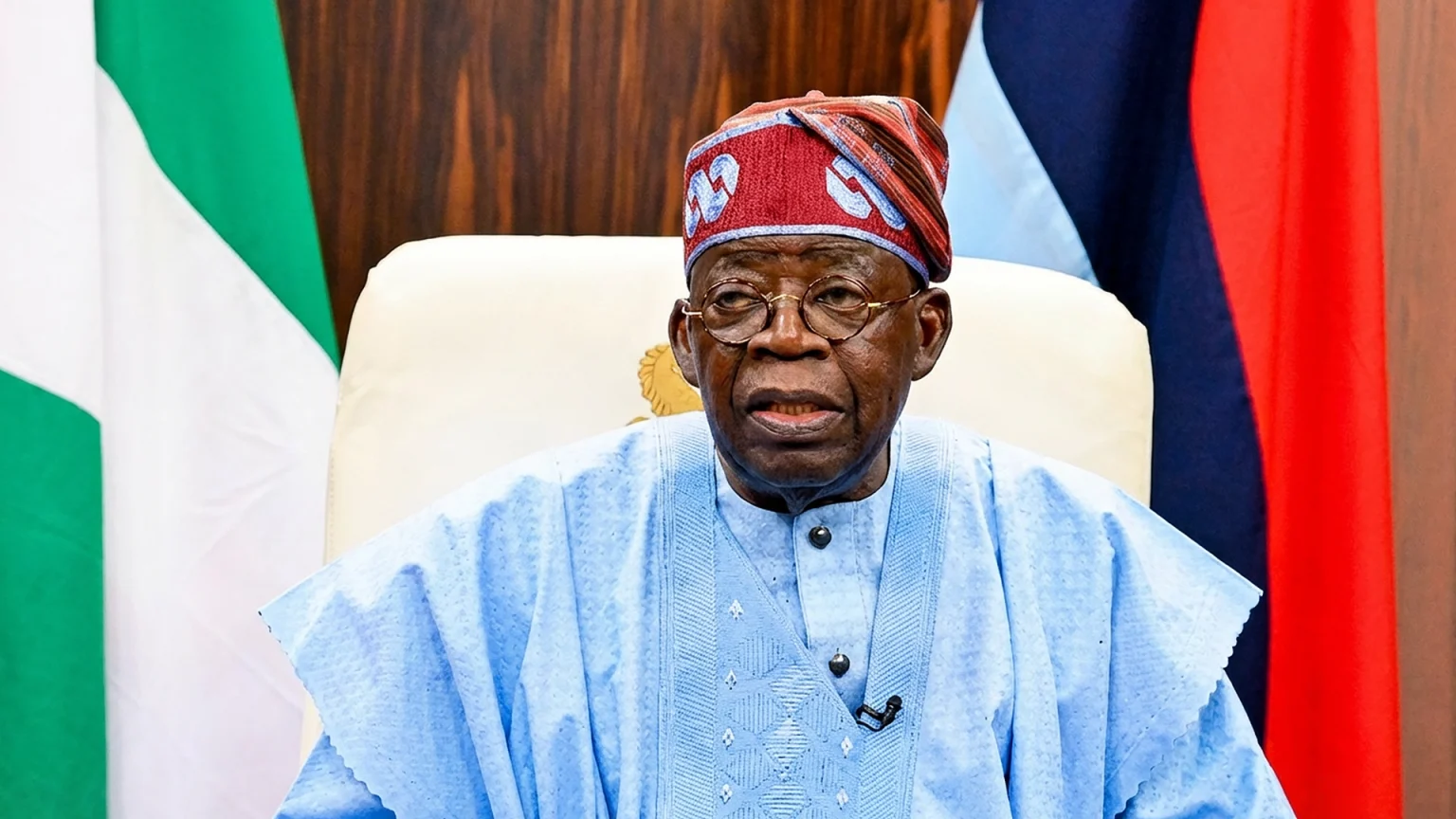
“Our respectful appeal to President Bola Ahmed Tinubu is that decisions concerning petrol importation must be carefully weighed against their long-term economic consequences,” Kareem said.
He noted that Nigeria has spent decades struggling with the contradiction of being a major crude oil producer while relying heavily on imported refined petroleum products. According to him, any policy that increases importation could slow the progress already made toward boosting local refining capacity.
Kareem also warned that rising petrol imports could increase pressure on Nigeria’s foreign exchange reserves, especially at a time when the government is implementing economic reforms to stabilise the naira and strengthen fiscal discipline.
“For many years, Nigeria has spent enormous foreign exchange importing petroleum products that could ideally be refined locally,” he said. “If import volumes rise again, demand for foreign currency will increase, placing additional strain on the naira and potentially weakening ongoing economic stabilisation efforts.”
The group further cautioned that excessive reliance on imported fuel could open the door for product dumping and the entry of substandard petroleum products into the Nigerian market.
Kareem explained that Nigeria’s downstream petroleum sector has historically faced quality control challenges whenever fuel importation becomes widespread, largely because imported products often pass through multiple intermediaries before reaching local depots.
“One of the lessons from the past is that when imports dominate the supply chain, the market becomes vulnerable to the dumping of inferior petroleum products,” he said.
He added that such products could damage vehicles, affect industrial machinery and create hidden economic costs for consumers and businesses.
According to him, encouraging domestic refining and strengthening local supply chains would improve product traceability and enhance transparency in the downstream petroleum market.
Kareem clarified that the group’s position should not be interpreted as criticism of the NMDPRA, noting that regulators often face difficult decisions in maintaining fuel supply stability in a volatile global energy market.
However, he stressed that short-term supply measures should not undermine Nigeria’s long-term objectives of achieving a self-sufficient and sustainable petroleum sector.

Share






Related Articles

National
Nigeria Moves Against South Africa Over Killing of Citizens, Demands Accountability
The Federal Government has intensified diplomatic pressure on South Africa following the...
National
Reps Approve Bill for New Federal Medical Centre in Ikwuano, Awaits Senate Approval
The House of Representatives has passed a bill sponsored by Hon. Obi...
National
FG Targets Malnutrition with New 10-Year Nutrition Policy
The Federal Government has taken a major step toward tackling malnutrition following...

National
Kalu’s Lawyers Reject Petition Seeking Revocation of Law School Certificate
Legal representatives of the Deputy Speaker of the House of Representatives, Benjamin...




Leave a comment