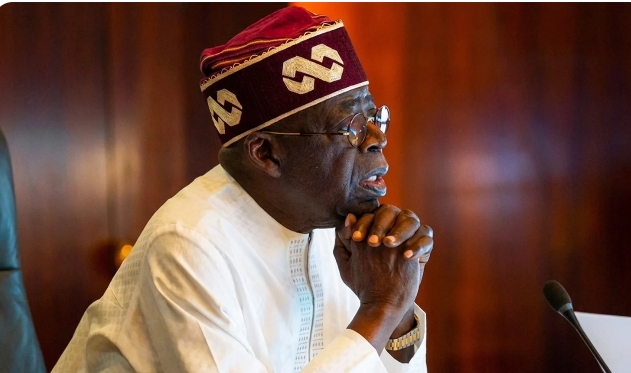
As the March 31 deadline for political appointees to resign draws to a close, uncertainty and hesitation have gripped several ministers in President Bola Tinubu’s cabinet, many of whom are weighing their political ambitions against an unpredictable party landscape.
The atmosphere at the Presidential Villa in Abuja was tense on Monday, with last-minute consultations dominating proceedings as ministers sought clarity before complying with the directive requiring aspirants for elective offices to step down.
Breaking ranks, the Minister of Foreign Affairs, Ambassador Yusuf Maitama Tuggar, formally resigned to pursue the Bauchi State governorship. His exit, marked by a valedictory session at the ministry, made him one of the first high-profile cabinet members to comply with the president’s order.
In his resignation letter, Tuggar thanked President Tinubu for the opportunity to serve and highlighted his contributions to Nigeria’s foreign policy, including diaspora engagement, humanitarian evacuations, and strengthening bilateral relations. He submitted his letter through the Office of the Secretary to the Government of the Federation (SGF), in line with official directives.
Despite this development, several ministers remained undecided late into the night, reportedly awaiting informal clearance from the presidency before taking the plunge. Sources indicated that the president had discouraged any form of endorsement, insisting that all resignations be processed strictly through the SGF to maintain neutrality within the ruling All Progressives Congress (APC).
Among those said to be in a dilemma are Labour and Employment Minister Muhammad Maigari Dingyadi and Minister of State for Labour Nkeiruka Onyejeocha, both of whom were still consulting stakeholders before making a final decision.
At the heart of the hesitation is growing anxiety within the APC over the push for automatic tickets for incumbent officeholders and the increasing use of consensus arrangements in candidate selection. These mechanisms, while aimed at maintaining party unity, have raised concerns among aspiring ministers who fear being sidelined by entrenched political actors.
Many believe that resigning without assurance of a fair primary contest or party backing could amount to a political gamble. Staying in office, on the other hand, provides continued influence, visibility, and access to power structures while they monitor shifting dynamics within the party.
President Tinubu’s decision to remain publicly neutral has further deepened the uncertainty, leaving aspirants to navigate their ambitions without clear signals of support.
Meanwhile, indications have emerged that the Federal Executive Council (FEC) may soon undergo a major shake-up. With a valedictory session scheduled, more resignations are expected, including that of Minister of State for Humanitarian Affairs, Yusuf Tanko Sununu, who has declared interest in the Kebbi Central senatorial seat.
Other political appointees, including members of federal agencies and commissions, are also positioning themselves for governorship and legislative contests ahead of the 2027 elections.
Reports suggest that up to seven ministers may exit the cabinet in the coming days, potentially triggering a broader restructuring of government. While no official confirmation has been made, names being speculated include Adebayo Adelabu, Ahmed Alkali, Nkeiruka Onyejeocha, Atiku Bagudu, Muhammad Ali Pate, and Dave Umahi.
Presidency sources say the anticipated changes could pave the way for a cabinet reshuffle, allowing the president to fill vacancies, reward loyal party members, and inject fresh expertise into key ministries.
While the transition may disrupt policy continuity in critical sectors, it also presents an opportunity to revitalise governance and align the cabinet more closely with the administration’s long-term priorities.
However, analysts warn that the growing focus on political positioning could temporarily shift attention away from governance, especially as the 2027 electoral cycle gathers momentum.
Ultimately, the resignation deadline marks a turning point for the Tinubu administration, signalling both a political recalibration and a potential reconfiguration of its governing structure. As ministers decide their next moves, attention now turns to how the president will reshape his cabinet and manage the delicate balance between politics and governance.

National
 News MasterUpdated 7 months Ago2 Mins read
Ministers Hesitate as Resignation Deadline Triggers Political Uncertainty
News MasterUpdated 7 months Ago2 Mins read
Share






Related Articles

National
Nigeria Moves Against South Africa Over Killing of Citizens, Demands Accountability
The Federal Government has intensified diplomatic pressure on South Africa following the...
National
Reps Approve Bill for New Federal Medical Centre in Ikwuano, Awaits Senate Approval
The House of Representatives has passed a bill sponsored by Hon. Obi...

National
FG Targets Malnutrition with New 10-Year Nutrition Policy
The Federal Government has taken a major step toward tackling malnutrition following...

National
Kalu’s Lawyers Reject Petition Seeking Revocation of Law School Certificate
Legal representatives of the Deputy Speaker of the House of Representatives, Benjamin...




Leave a comment