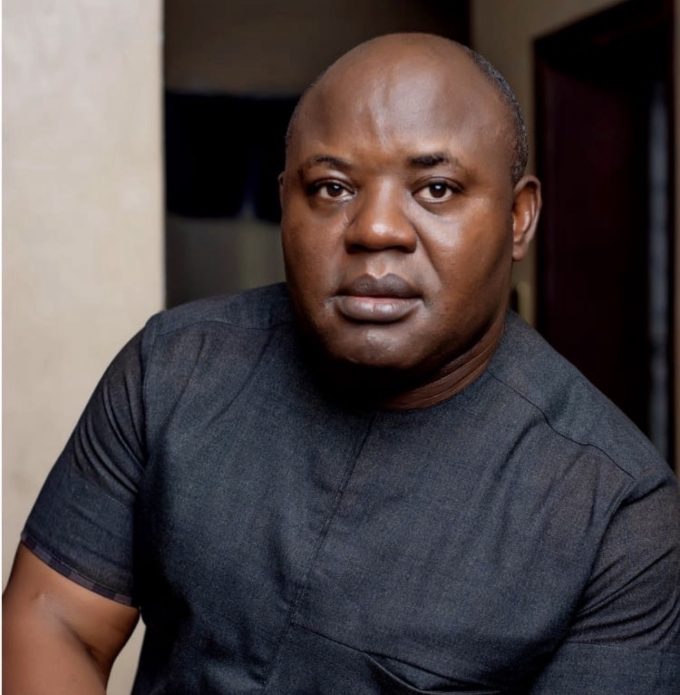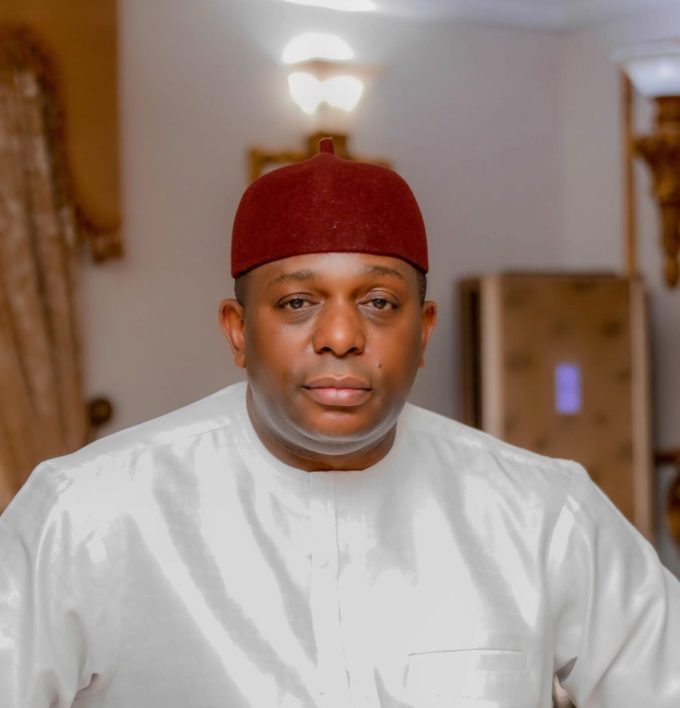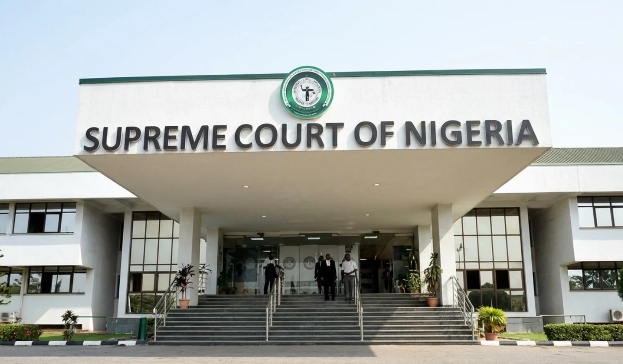

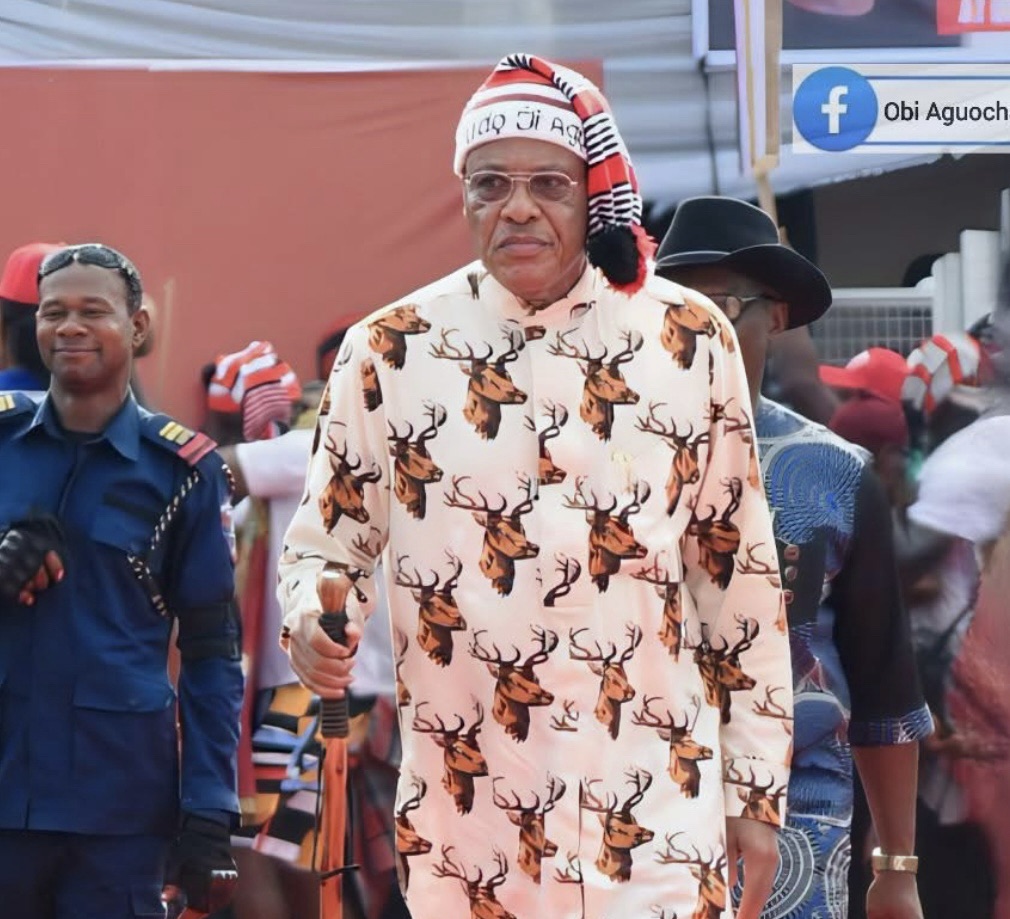
It was an unexpected but revealing moment when a News correspondent ran into Hon. Obi Aguocha recently en route to Umuahia. Several months after the landmark November 20, 2025 judgment in the terrorism trial of Nnamdi Kanu, the federal lawmaker appeared calm yet reflective, offering rare insight into his widely discussed courtroom intervention.
Reporter: Honorable, this is quite unexpected. It has been months since the Kanu judgment, yet your role in those final moments is still widely talked about. Looking back, what really happened in court that day?
Aguocha:What happened was a moment of responsibility. The atmosphere in the courtroom was tense and uncertain. At that stage, it became clear that something needed to be said beyond legal arguments. I felt a duty, not just as a lawmaker but as a voice of the people, to step forward. That was how I delivered the allocutus.
Reporter: Delivering an allocutus in such a high-profile case was unusual. What guided that decision?
Aguocha:It was guided by conscience and the reality of our national situation. The allocutus is meant to be a plea for mercy, but in that moment, it became a plea for the country itself. I reminded the court that Nigeria was already under strain and that decisions taken in that room would have consequences far beyond it.
Reporter: Many believe your intervention contributed to the court opting for life imprisonment instead of a possible death sentence under the law. How do you view that now?
Aguocha:The court, under Justice James Omotosho, made its decision based on the law. But I also believe that timely intervention matters. When you speak to peace, to stability, and to the value of life at a critical moment, it can shape perspectives. If my words helped tilt the balance away from a harsher outcome, then I am satisfied I did what was necessary.
Reporter: After the judgment, you described the conviction as a travesty of justice. Do you still hold that position months later?
Aguocha:My position has not changed. I believe there are still questions around the process and issues of fairness. However, my intervention in court was about ensuring that, regardless of those concerns, we did not move from controversy into irreversible consequences. Mercy, in that moment, was essential.
Reporter: What do you remember most vividly about those final proceedings?
Aguocha:The weight of the moment. There was a silence that carried so much tension. You could sense that whatever came next would echo far beyond the courtroom. That was why I chose to speak carefully and deliberately. It was not about making a statement; it was about making an impact.
Reporter: There is a growing sentiment that if Igbo leaders had matched even 10 percent of your effort, the narrative around Kanu might have been different. How do you respond to that?
Aguocha: I would be careful not to reduce such a complex situation to comparisons. Leadership is expressed in different ways, and many individuals have contributed, quietly and publicly, to seeking a resolution. However, I do believe that collective engagement always produces stronger outcomes. If more voices consistently push for dialogue, justice, and peaceful resolution, it naturally shapes the narrative in a more constructive direction. My role was simply to do what I believed was right at that moment.
Reporter: Some of your recent comments have been interpreted as very strong criticism of Nigeria’s structure and your personal cost in taking this stand. Could you clarify what you meant?
Aguocha: What I meant is simple and deeply troubling. It appears we have two sets of rules in Nigeria, one for Ndi Igbo and another for other Nigerians. I am losing a lot for choosing to stand against marginalization and injustice of Ndi Igbo at the National Assembly. But silence is not an option when you are in a position to speak.
Reporter: You have also maintained a strong personal commitment to the case. How does that influence your continued involvement after the judgment?
Aguocha: I will continue to pursue a political resolution for the case of Nnamdi Kanu as his representative and his friend. Nnamdi Kanu and I share a personal relationship. We attended the same primary and secondary school. His mother was one of my mother’s bridesmaids. He is my constituent, and I will continue to do my best for his release.
Reporter: And what of Governor Otti’s role in all of this?
Aguocha:Gov. Alex Otti has shown rare leadership by engaging stakeholders and pushing for a political solution. That kind of coordination is necessary if we are serious about resolving sensitive national issues through dialogue rather than endless confrontation.
Reporter: What message would you leave with Nigerians reflecting on this entire situation?
Aguocha:We must choose unity over division and dialogue over escalation. My intervention in court was about saving lives and calming tensions. My advocacy afterward is about ensuring that justice and peace remain possible, even in difficult circumstances.
The chance meeting, months after the historic ruling, served as a reminder of Aguocha’s decisive role at a critical juncture, one that continues to shape public discourse around the case and its broader implications for Nigeria.
As he concluded the exchange, Hon Obi Aguocha quietly proceeded to his vehicle, leaving behind a conversation that continues to stir debate about justice, identity, and political responsibility in Nigeria’s evolving democratic journey.