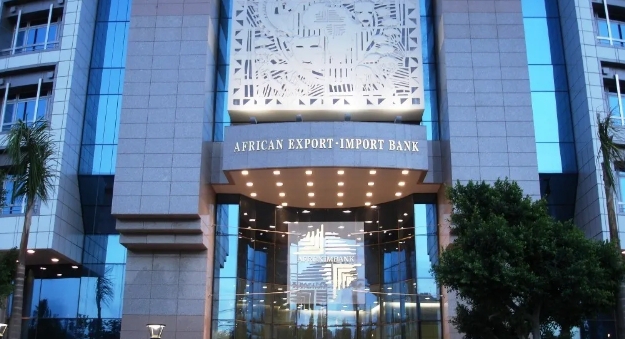
The African Export-Import Bank (Afreximbank) has announced plans to fund the construction of three new refineries in Nigeria, as part of efforts to boost local fuel production and reduce dependence on imports.
The bank’s Senior Executive Vice President, Denys Denya, disclosed this during a virtual media briefing on April 28, 2026. He explained that the initiative builds on Afreximbank’s existing support for Nigeria’s downstream oil sector, including its involvement in the Dangote Refinery project.
According to Denya, the move aligns with a broader strategy to strengthen domestic refining capacity across Africa and protect economies from global supply disruptions.
He noted that rising geopolitical tensions in key energy-producing regions have made fuel imports more expensive and difficult for many African countries. In response, Afreximbank launched a $10 billion Gulf Crisis Response Programme to support access to critical imports such as fuel, food, fertilisers, and pharmaceuticals. Countries like Kenya, Ethiopia, and Tanzania have already benefited from the initiative.
Beyond Nigeria, the bank is also backing refinery projects in Angola as part of a continent-wide push for energy self-sufficiency.
In Nigeria, increased refining capacity is expected to ease pressure on foreign exchange and ensure more stable fuel supply. Afreximbank also highlighted its role in the naira-for-crude arrangement with the Dangote Refinery, which allows transactions for refined products to be conducted in local currency.
On its financial performance, the bank reported a 21 per cent increase in total assets to $48.5 billion in 2025, while net income rose by 19 per cent to $1.2 billion. It also secured a $2 billion syndicated financing facility backed by 31 international lenders.
Additionally, in March 2026, Afreximbank underwrote $2.5 billion of a $4 billion senior syndicated loan for Dangote Petroleum Refinery and Petrochemicals, in partnership with Access Bank. The five-year facility is aimed at strengthening the refinery’s capital structure and supporting its long-term expansion plans.

Featured
 News MasterUpdated 6 months Ago1 Mins read
Afreximbank to Finance Three New Refineries in Nigeria
News MasterUpdated 6 months Ago1 Mins read
Share





Related Articles
Featured
ARTICLE: Service Beyond the Ballot: Chief Mascot Uzor Kalu’s Enduring Commitment to the People
Leadership is not defined solely by electoral victory or the office one...

Featured
Supreme Court Set to Rule on PDP and ADC Leadership Disputes Today
Nigeria’s political landscape is on edge as the Supreme Court prepares to...

Featured
Mass Demonstrations in South Africa Highlight Rising Tensions Over Foreign Nationals
Large-scale demonstrations broke out across several major cities in South Africa as...

Featured
Article: Fixing Nigeria Starts with Fixing the States by Dr Uche Ogah
By Uche Ogah Nigeria’s development challenge is not merely a national dilemma....




Leave a comment