
The future of Nigeria’s national politics may increasingly depend on how effectively every region is integrated into the country’s political and economic architecture. In recent years, conversations surrounding inclusion, representation and national cohesion have continued to dominate political discourse, particularly in the South East where many citizens believe the region must become more strategically connected to the center of national power.
Politics in modern democracies is not driven solely by emotions or historical grievances. It is largely influenced by negotiation, participation, strategic alliances and sustained engagement with national institutions. Regions that remain actively connected to the center often position themselves to benefit more from federal appointments, infrastructure investments, policy influence and economic opportunities.
For the South East, the conversation should gradually evolve beyond political isolation and move toward constructive participation in national governance. The region possesses enormous intellectual capital, entrepreneurial strength, industrial capacity and human resources capable of contributing significantly to Nigeria’s development if properly harnessed within the broader national framework.
There is also growing recognition that economic development and political relevance are often interconnected. Strategic engagement with the federal government can open doors for critical infrastructure projects, industrial expansion, security collaboration, regional integration and increased investor confidence. In an era of competitive federalism, no region can afford prolonged political disconnection from the national mainstream.
Many political observers believe the South East must prioritize pragmatic politics anchored on dialogue, coalition building and long term institutional participation. National politics is ultimately a game of influence, numbers, negotiation and sustained visibility. Regions that consistently participate in shaping national conversations are often better positioned during critical decision making processes.
At the same time, connecting to the center should not mean abandoning the legitimate aspirations, identity or interests of the people. Rather, it should involve building strategic relationships capable of advancing regional development while preserving the dignity, values and political relevance of the South East within the Nigerian federation.
As Nigeria continues to evolve politically and economically, the South East may need a more deliberate strategy that combines political engagement, economic expansion, youth inclusion, industrial growth and national participation. The future may belong not to regions that isolate themselves, but to those capable of balancing regional interests with active involvement at the center of national power.
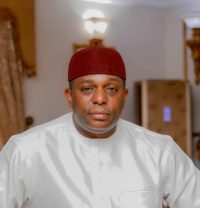
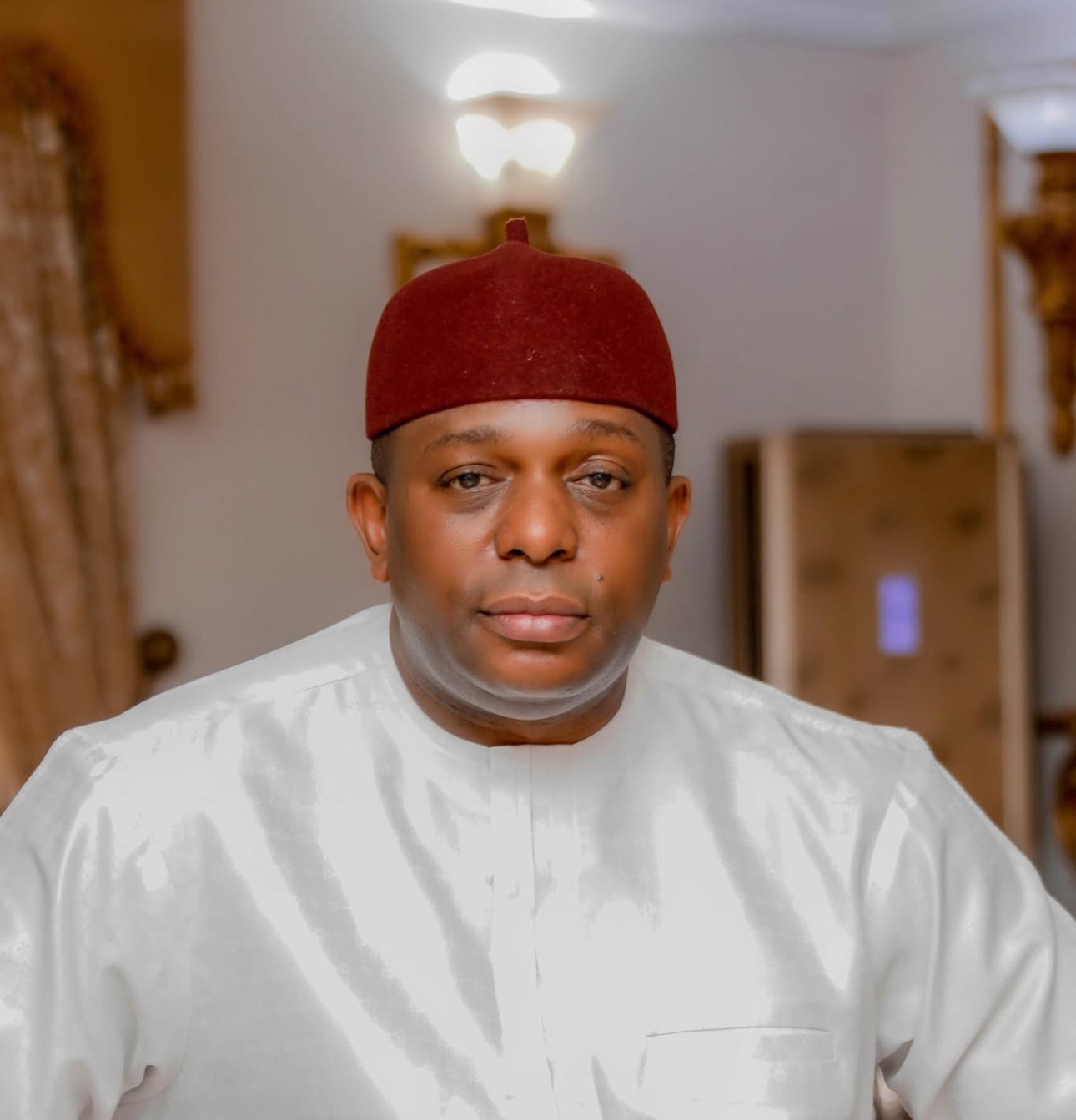
✍🏼 Chief Mascot Uzor Kalu is a former public office holder and was Abia 2027 Governorship Election Aspirant.