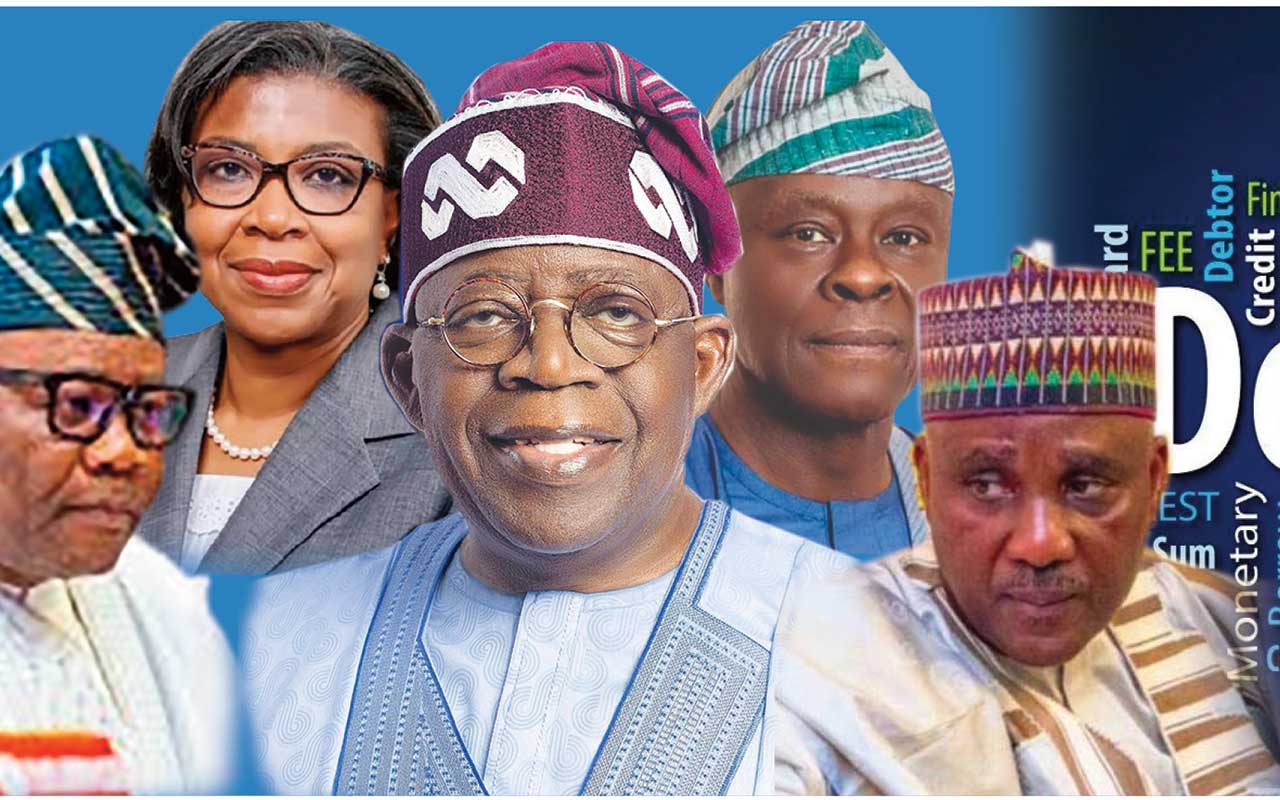
Nigeria’s mounting debt profile has sparked renewed debate, with the Debt Management Office (DMO), the Office of the Auditor-General of the Federation (OAuGF), and political stakeholders calling for greater transparency in the nation’s borrowing practices.
Latest figures put Nigeria’s public debt at ₦149.39 trillion as of March 2025, but questions remain over the accuracy and disclosure of sub-national debts. Auditor-General Shaakaa Chira confirmed that his office is auditing the figures, stressing the need for credible, evidence-based debt reporting.
At a regional conference in Abuja, DMO Director-General Patience Oniha warned that Nigeria remains one of West Africa’s largest borrowers, alongside Ghana, Côte d’Ivoire and Senegal. She attributed the rising costs of debt to global interest rate hikes, volatile commodity prices, and weak domestic revenue mobilisation. Oniha cautioned that Nigeria’s debt structure is highly exposed to foreign currency risks, urging reforms to strengthen transparency, revenue generation, and accountability.
Meanwhile, the House of Representatives’ Public Accounts Committee dismissed reports that Speaker Tajudeen Abbas accused President Bola Tinubu of reckless borrowing. The committee clarified that Abbas and Finance Minister Wale Edun shared aligned views on debt sustainability and macroeconomic stability.
The Labour Party (LP), however, countered this position, accusing the APC-led government of driving Nigeria into a debt crisis. Citing that debt rose from ₦121.7 trillion in December 2024 to ₦149.39 trillion by March 2025, the LP warned that debt servicing now consumes over 60% of government revenue, describing the trend as “a death sentence on the nation’s economic future.”
Responding, the Presidency rejected claims of reckless borrowing. Special Adviser on Media, Sunday Dare, said the increase in debt was largely due to naira depreciation, not fresh loans. He insisted Nigeria’s debt-to-GDP ratio remains moderate compared to other African economies, stressing that improved revenue mobilisation is strengthening the country’s repayment capacity.
Adding to the debate, former presidential aide Reno Omokri claimed Nigeria’s total external debt has reduced by $16 billion under Tinubu’s administration, describing it as one of only two civilian governments, after Obasanjo’s that successfully cut national debt.
With critics warning against “mortgaging Nigeria’s future” and the Presidency insisting on fiscal responsibility, the nation’s debt sustainability remains a defining issue for the economy and political leadership.

National
 News MasterUpdated September 10, 20251 Mins read
FG Faces Scrutiny as DMO Links Rising Debt to FX, Global Shocks
News MasterUpdated September 10, 20251 Mins read
Share



Related Articles
National
Nigeria Moves Against South Africa Over Killing of Citizens, Demands Accountability
The Federal Government has intensified diplomatic pressure on South Africa following the...
National
Reps Approve Bill for New Federal Medical Centre in Ikwuano, Awaits Senate Approval
The House of Representatives has passed a bill sponsored by Hon. Obi...
National
FG Targets Malnutrition with New 10-Year Nutrition Policy
The Federal Government has taken a major step toward tackling malnutrition following...
National
Kalu’s Lawyers Reject Petition Seeking Revocation of Law School Certificate
Legal representatives of the Deputy Speaker of the House of Representatives, Benjamin...



Leave a comment