The European Union has called on major digital platforms — including Snapchat and YouTube — to explain how they are protecting children from online harm, as the bloc considers continent-wide restrictions on minors’ access to social media.
The move comes amid growing concern that current regulations, though robust, are not sufficient to safeguard young users. Inspired by Australia’s ban on social media for those under 16, Brussels is exploring whether similar measures could work across the EU, following pushes from France and Spain for stricter controls.
Under the Digital Services Act (DSA) — the EU’s main tool for enforcing online safety and accountability — the European Commission has launched “investigative actions,” sending formal requests for information to several tech companies. Snapchat has been asked to detail how it prevents under-13s from using its service, while Apple and Google must explain what safeguards they have in place to stop children from downloading harmful or illegal apps, such as those promoting gambling or sexual content.
The Commission also wants clarification on how both app stores handle age ratings and prevent downloads of “nudify apps,” which create non-consensual sexualised images. Tech Commissioner Henna Virkkunen said the EU is strengthening enforcement to ensure children’s “privacy, security, and safety” are properly protected online.
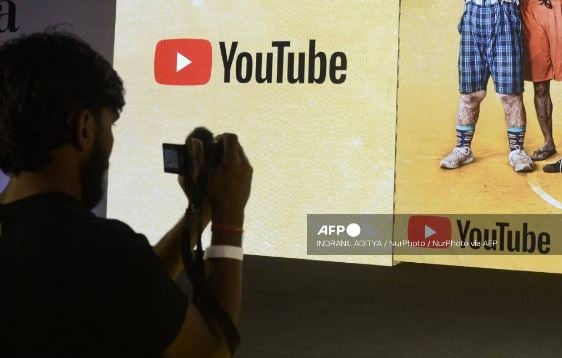
Meanwhile, Brussels has demanded that YouTube disclose how its recommender system prevents minors from being exposed to harmful content, and that Snapchat address concerns over the sale of drugs and vapes via its platform.
These actions are part of a broader EU push to hold major platforms — including Meta and TikTok — accountable for the risks their products pose to children.
At a meeting in Denmark, EU telecom ministers are also discussing stronger age verification measures and potential rules to make social media safer for minors. They are expected to endorse European Commission President Ursula von der Leyen’s plan to explore a bloc-wide “digital age of majority.”
Von der Leyen has expressed personal support for such a policy, promising to convene a panel of experts to assess possible next steps. Denmark, which currently holds the rotating EU presidency, is leading the call for joint European action. Its Prime Minister, Mette Frederiksen, announced plans this week to introduce a national ban on social media use for children under 15 — similar to France’s existing law requiring parental consent for under-15s.

Business
 News MasterUpdated 12 months Ago1 Mins read
EU Pressures Tech Giants to Prove Child Safety Efforts, Weighs Bloc-Wide Social Media Age Limit
News MasterUpdated 12 months Ago1 Mins read
Share





Related Articles

Business
Hon. Amobi Ogah Engages Global Stakeholders at OTC Texas As Nigeria’s Energy Future Comes in Focus
U.S., Texas — Nigeria’s push for innovation and global collaboration in the...
Business
Fear of Oil Glut as NNPCL Raises Crude Prices Across Grades
Concerns are growing over a possible global oil glut as the Nigerian...
Business
Aliko Dangote’s Wealth Climbs to $34bn After $216m Single-Day Surge
Africa’s richest man, Aliko Dangote, has seen his net worth rise to...
Business
Nigeria’s Petrol Price Drops 15.6% Year-on-Year – NBS
The average retail price of petrol in Nigeria declined by 15.6 per...




Leave a comment