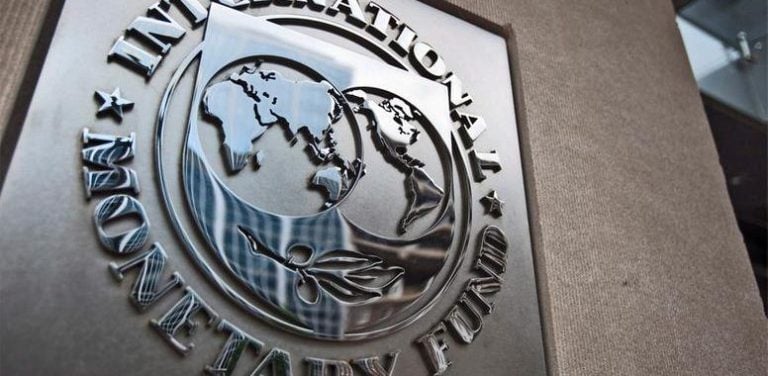
The International Monetary Fund (IMF) has revealed that Nigeria is not among Africa’s fastest-growing economies, as countries such as Benin Republic, Côte d’Ivoire, Ethiopia, Rwanda, and Uganda continue to lead the continent’s economic expansion.
According to the IMF, these five nations are now ranked among the world’s fastest-growing economies due to consistent fiscal reforms, sound macroeconomic management, and increased investments in infrastructure and manufacturing.
The Director of the IMF’s African Department, Abebe Selassie, disclosed this during the launch of the latest Regional Economic Outlook for Sub-Saharan Africa on Thursday. He noted that the region’s overall growth is expected to stabilise at 4.1% in 2025, with a slight increase projected for 2026 as reform momentum continues.
Selassie said the global economy’s turbulence, weakened demand, and declining commodity prices continue to challenge the region’s recovery. However, he highlighted that Benin, Côte d’Ivoire, Ethiopia, Rwanda, and Uganda have emerged as bright spots in Africa’s growth story.
Despite Nigeria’s recent growth forecast being revised upward — from 3.4% to 3.9% in 2025 — the IMF noted that the country’s expansion remains below potential. The Fund urged Nigeria to strengthen structural reforms, diversify its economy beyond oil, and improve electricity supply, revenue mobilisation, and tax administration.
Selassie also raised concerns about rising financial vulnerabilities across Africa, including Nigeria, warning that growing government dependence on domestic banks for financing could pose systemic risks to financial stability.
He explained that as access to external loans diminishes, many African governments are borrowing more from local banks — a “double-edged sword” that could strain the financial sector and deepen the link between public debt and banking risks.
The IMF called on African governments to focus on two key policy priorities: domestic revenue mobilisation through digital tax systems and compliance reforms, and debt management via transparency, data publication, and better budget oversight.
In Nigeria’s case, IMF officials commended ongoing fiscal and monetary reforms, describing them as “broadly positive.” The Fund’s Fiscal Affairs Division Chief, Davide Furceri, said the country’s fiscal stance was now “neutral,” supporting monetary policies to curb inflation without hindering growth.
Furceri and other IMF officials praised Nigeria’s progress in tax reform, improved public spending efficiency, and more transparent foreign exchange management, noting that these measures have helped stabilise inflation — which has fallen from over 30% to around 23%.
However, the IMF warned that Sub-Saharan Africa remains exposed to global financial volatility and rising debt distress. Selassie advised that countries must consolidate gains by maintaining disciplined fiscal policies, strengthening institutions, and tackling illicit financial flows.
Despite challenges, the IMF acknowledged Nigeria’s positive reform trajectory, citing improvements in monetary policy, foreign exchange transparency, and revenue collection — factors expected to sustain moderate growth in the coming years.
Business
 News MasterUpdated 12 months Ago2 Mins read
Nigeria Missing from Africa’s Fastest-Growing Economies — IMF Urges Deeper Reforms Despite Upward Growth Revision
News MasterUpdated 12 months Ago2 Mins read
Share




Related Articles

Business
Hon. Amobi Ogah Engages Global Stakeholders at OTC Texas As Nigeria’s Energy Future Comes in Focus
U.S., Texas — Nigeria’s push for innovation and global collaboration in the...
Business
Fear of Oil Glut as NNPCL Raises Crude Prices Across Grades
Concerns are growing over a possible global oil glut as the Nigerian...
Business
Aliko Dangote’s Wealth Climbs to $34bn After $216m Single-Day Surge
Africa’s richest man, Aliko Dangote, has seen his net worth rise to...
Business
Nigeria’s Petrol Price Drops 15.6% Year-on-Year – NBS
The average retail price of petrol in Nigeria declined by 15.6 per...



Leave a comment