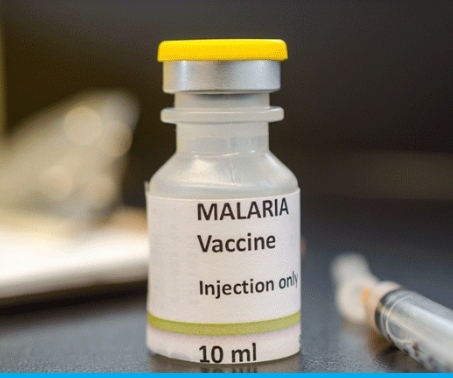
No fewer than 1.2 million children have been vaccinated against malaria across Kebbi, Bayelsa, Ondo, and Bauchi states, as part of Nigeria’s ongoing immunisation efforts.
The Executive Director of the National Primary Health Care Development Agency (NPHCDA), Dr. Muyi Aina, disclosed this during the agency’s first-quarter 2026 media briefing in Abuja. He noted that the malaria vaccination programme, initially piloted in Kebbi and Bayelsa, has now been expanded to include Ondo and Bauchi states, based on malaria burden and readiness assessments.
Providing a breakdown, Aina said 984,559 children in Kebbi and Bayelsa have received at least one dose of the vaccine, while 166,342 children have been vaccinated in Ondo and about 105,890 in Bauchi.
He, however, explained that the malaria vaccine requires four doses for full effectiveness, noting that ensuring children complete all doses remains a challenge. According to him, dropouts between stages of the vaccination schedule have been observed, and efforts are ongoing to improve follow-up and compliance.
Aina also revealed that about 102 million children aged between nine months and 14 years were vaccinated against measles and rubella during a recent nationwide campaign.
To strengthen vaccine delivery, he said the government has made significant investments in cold chain infrastructure. These include the procurement and distribution of 1,768 solar refrigerators, 62,000 vaccine carriers, 237 freezers, and 5,754 cold boxes to ensure proper storage and transportation of vaccines.
He attributed past challenges in primary healthcare delivery to years of underfunding but noted that recent efforts have led to improvements. According to him, the number of functional Level 2 Primary Health Centres (PHCs), which provide 24-hour services, has increased by 59 percent since 2024.
The agency has also expanded access to basic services by solarising health facilities, improving water supply, and upgrading infrastructure. Aina disclosed that 371 PHCs have recently been equipped with solar power across the country.
Healthcare utilisation has also risen significantly, with patient attendance increasing from about 29 million per quarter in mid-2023 to over 45 million by late 2024, with even higher figures recorded in 2025.
In terms of workforce development, Aina said over 78,000 frontline health workers have been retrained out of a target of 120,000. Additionally, more than 19,000 skilled health personnel—including nurses, midwives, and doctors—have been recruited, alongside nearly 4,000 community-based health workers.
He added that Nigeria recorded a 48 percent reduction in circulating variant poliovirus outbreaks between 2023 and 2025, reflecting progress in immunisation efforts.
Furthermore, about 48,372 women have accessed free maternal health services nationwide, while 2,497 women have benefited from obstetric fistula repair programmes.
Aina emphasised that 2026 will focus on consolidating and expanding existing reforms in the health sector. He said the government remains committed to improving access to quality primary healthcare, strengthening infrastructure and workforce capacity, and building public trust in the system.

Health
 News MasterUpdated 6 months Ago2 Mins read
Over 1.2 Million Children Receive Malaria Vaccine in Four States
News MasterUpdated 6 months Ago2 Mins read
Share





Related Articles
Health
WHO Pushes for Faster Global Response as Hepatitis Elimination Goal Faces Delay Risks
The World Health Organization has raised concern over the slow pace of...

Health
Lagos First Lady Supports Lifesaving Child Surgery with N70m Health Intervention
The wife of the Lagos State Governor, Dr. Ibijoke Sanwo-Olu, has strengthened...
Health
FCT Begins Deployment of New Long-Acting HIV Prevention Injection
The Federal Capital Territory Administration (FCTA) has commenced the introduction of a...

Health
Lagos Event Puts Spotlight on Women’s Health During IWD Commemoration
Health advocates and stakeholders gathered in Lagos to mark the 2026 International...




Leave a comment