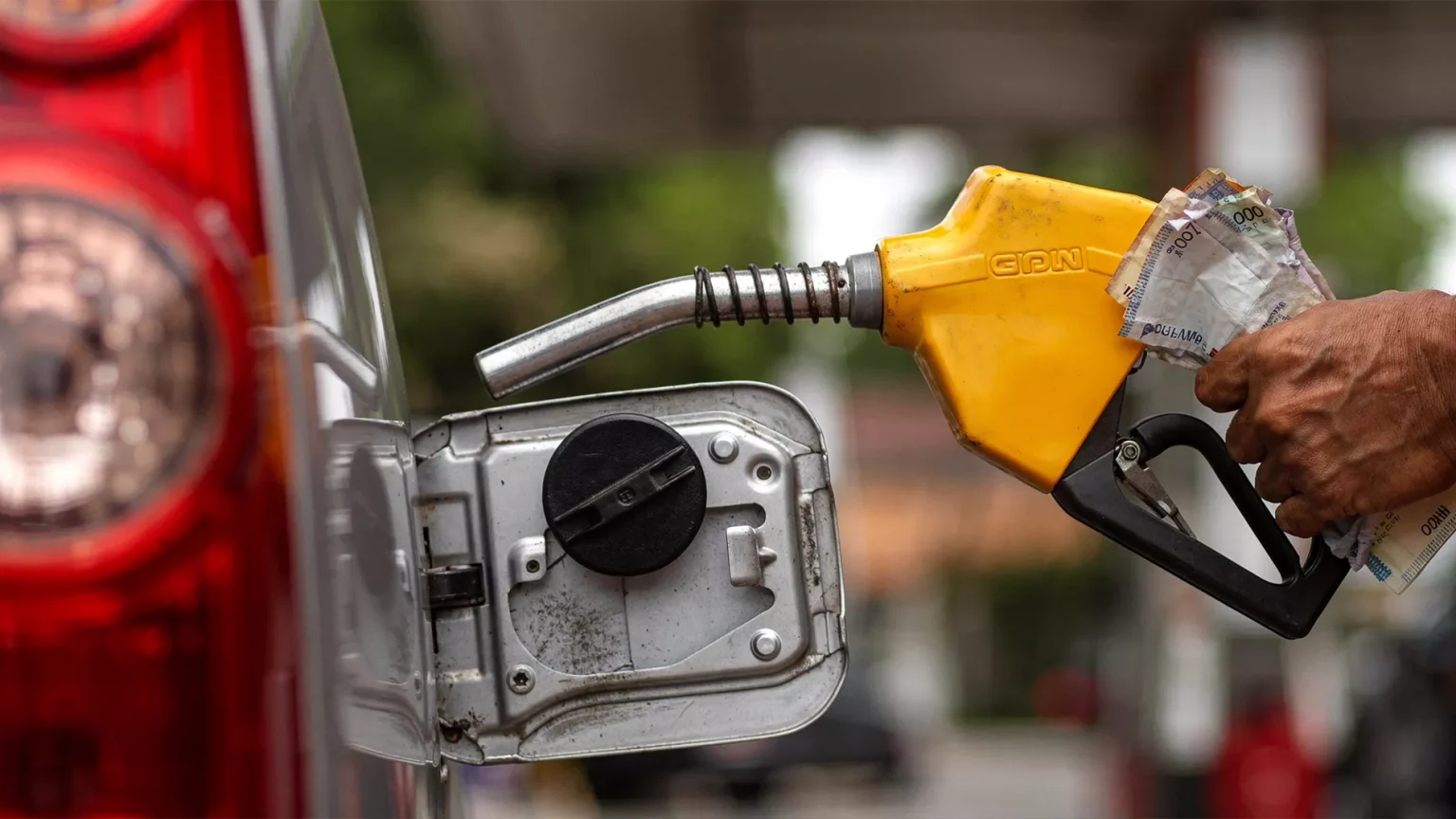
Despite rising global crude oil prices triggered by tensions in the Middle East, petrol prices in many African countries have remained relatively stable. Nigeria, however, has experienced a sharp surge, with pump prices rising by about 47 per cent in the past 10 days.
Global oil prices climbed after Mojtaba Khamenei emerged as Iran’s new Supreme Leader, pushing crude to around $116 per barrel. U.S. West Texas Intermediate (WTI) also rose above $108 per barrel before easing to $94.77, while Brent crude closed at $89.45 at press time.
The spike represents one of the steepest weekly increases in recent years and has heightened pressure on global fuel markets, reminiscent of the energy shock that followed the Russia-Ukraine war.
Markets later calmed after comments by former U.S. President Donald Trump suggested that the conflict involving Iran might soon de-escalate. In an interview with CBS News, Trump said the U.S. military operation was progressing faster than expected, adding that Iran had lost significant military capabilities. His remarks eased fears of further escalation, helping global markets recover.
Across Africa, many countries have managed to cushion the impact of rising crude prices through regulatory frameworks, price controls and targeted interventions. Nations such as South Africa, Kenya, Ghana, Namibia, Sierra Leone, Uganda and Angola have used structured pricing systems to moderate fuel price adjustments.
Nigeria, however, operates a largely market-driven pricing system, allowing refiners and marketers to adjust prices rapidly in response to global oil movements.
In Lagos, some filling stations have reportedly sold petrol for as high as ₦1,400 per litre—about 17 per cent above the ₦1,200 commonly charged at major outlets. Reports of hoarding and arbitrary pricing have also emerged as retailers attempt to maximise profits amid uncertainty.
The price surge has increased the cost of transportation and essential commodities, raising concerns about inflation and the effectiveness of regulation in the downstream petroleum sector.
Some analysts believe the Federal Government may consider using part of the windfall from higher crude prices to cushion consumers, although such a move could resemble a return to fuel subsidies.
While crude oil currently trades about 40 per cent above Nigeria’s 2026 budget benchmark of roughly $85 per barrel, the country is still producing far below its two-million-barrels-per-day target. Analysts say this production shortfall reduces the potential financial gains from higher prices.
The development comes at a politically sensitive time, with the next general election less than a year away and President Bola Tinubu potentially seeking re-election. Economic reforms may face pressure as citizens struggle with rising fuel costs.
In Abuja, petrol prices have increased from about ₦875 per litre to around ₦1,285 within 10 days, following repeated price adjustments by the Dangote Petroleum Refinery. The refinery recently raised its ex-depot petrol price to ₦1,175 per litre, while diesel rose to ₦1,620 per litre.
The adjustments have pushed pump prices to roughly ₦1,200 per litre in Lagos, ₦1,250 in Ibadan and ₦1,285 in Abuja.
Unlike Nigeria, countries such as South Africa and Kenya review fuel prices periodically through structured mechanisms that help prevent sudden spikes. Kenya, for example, reviews prices monthly, while Ghana operates a bi-monthly adjustment system.
Analysts say these frameworks create buffers that protect consumers from immediate shocks in global oil prices.
Energy experts warn that sudden increases in petrol prices could trigger wider inflationary pressures, as higher transport costs quickly affect food prices and other goods.
They also note that marketers often adjust prices based on the expected cost of replacing fuel stocks rather than the price at which current supplies were purchased, contributing to rapid price increases.
While economists say rising crude prices could boost government revenue if production improves, they caution that the benefits may be offset by the growing cost of fuel for households and businesses.
Stakeholders have advised the government to prioritise policy stability and transparency rather than returning to blanket fuel subsidies, suggesting targeted support for critical sectors instead.
Meanwhile, the Dangote Petroleum Refinery said it must continue adjusting prices to reflect global market conditions. The company noted that even under Nigeria’s crude-for-naira arrangement, crude oil is purchased at international benchmark prices.
It also pointed to rising logistics costs, with tanker freight rates reportedly increasing from about $800,000 per shipment to nearly $3.5 million, alongside higher insurance and financing costs due to geopolitical risks.
The refinery said it is currently operating at its full capacity of about 650,000 barrels per day, with the potential to increase output to around 700,000 barrels per day.

National
 News MasterUpdated 7 months Ago3 Mins read
Oil Rally Retreats as Nigerians Await Possible Pump Price Review
News MasterUpdated 7 months Ago3 Mins read
Share






Related Articles

National
Nigeria Moves Against South Africa Over Killing of Citizens, Demands Accountability
The Federal Government has intensified diplomatic pressure on South Africa following the...
National
Reps Approve Bill for New Federal Medical Centre in Ikwuano, Awaits Senate Approval
The House of Representatives has passed a bill sponsored by Hon. Obi...
National
FG Targets Malnutrition with New 10-Year Nutrition Policy
The Federal Government has taken a major step toward tackling malnutrition following...

National
Kalu’s Lawyers Reject Petition Seeking Revocation of Law School Certificate
Legal representatives of the Deputy Speaker of the House of Representatives, Benjamin...




Leave a comment