The Federal Government has begun consultations on plans to introduce age restrictions for social media use in Nigeria as part of efforts to strengthen online safety for children.
To support the initiative, the Ministry of Communications, Innovation and Digital Economy has launched a public poll seeking views from parents, educators, young people and digital experts on how children’s access to social media and other online platforms should be regulated.
The ministry said the exercise is aimed at developing a balanced, evidence-based policy framework that shields children from online dangers while maintaining the educational and social benefits of Internet access.
According to the ministry, although the Internet offers opportunities for learning, creativity and communication, it also exposes young users to several risks.
The move comes amid a steady rise in telephone subscriptions and increased time spent online, largely driven by growing smartphone ownership and expanding mobile broadband coverage.
Data from the Nigeria Data Protection Commission (NDPC) last year showed that more than 40 million Nigerians spend an average of six hours daily on social media platforms.
The commission also warned about the growing need for greater awareness of data privacy and the risks associated with sharing personal information online.
Meanwhile, the latest telecom subscription statistics for January 2026 revealed that operators activated or reactivated about 2.58 million Subscriber Identity Module (SIM) cards, raising the number of active telephone lines from 179.6 million at the end of 2025 to about 182 million.
The data also indicated that Internet users on narrowband networks rose to 151.5 million, while broadband penetration increased to 53 per cent with about 115 million users, largely among enterprises.
The ministry explained that the proposed restrictions are being considered due to increasing concerns over cyberbullying, harmful content, online grooming, misuse of personal data, addictive platform features and emerging threats linked to artificial intelligence tools.
It stressed that any policy developed must reflect Nigeria’s digital realities, national priorities and the rights of children.
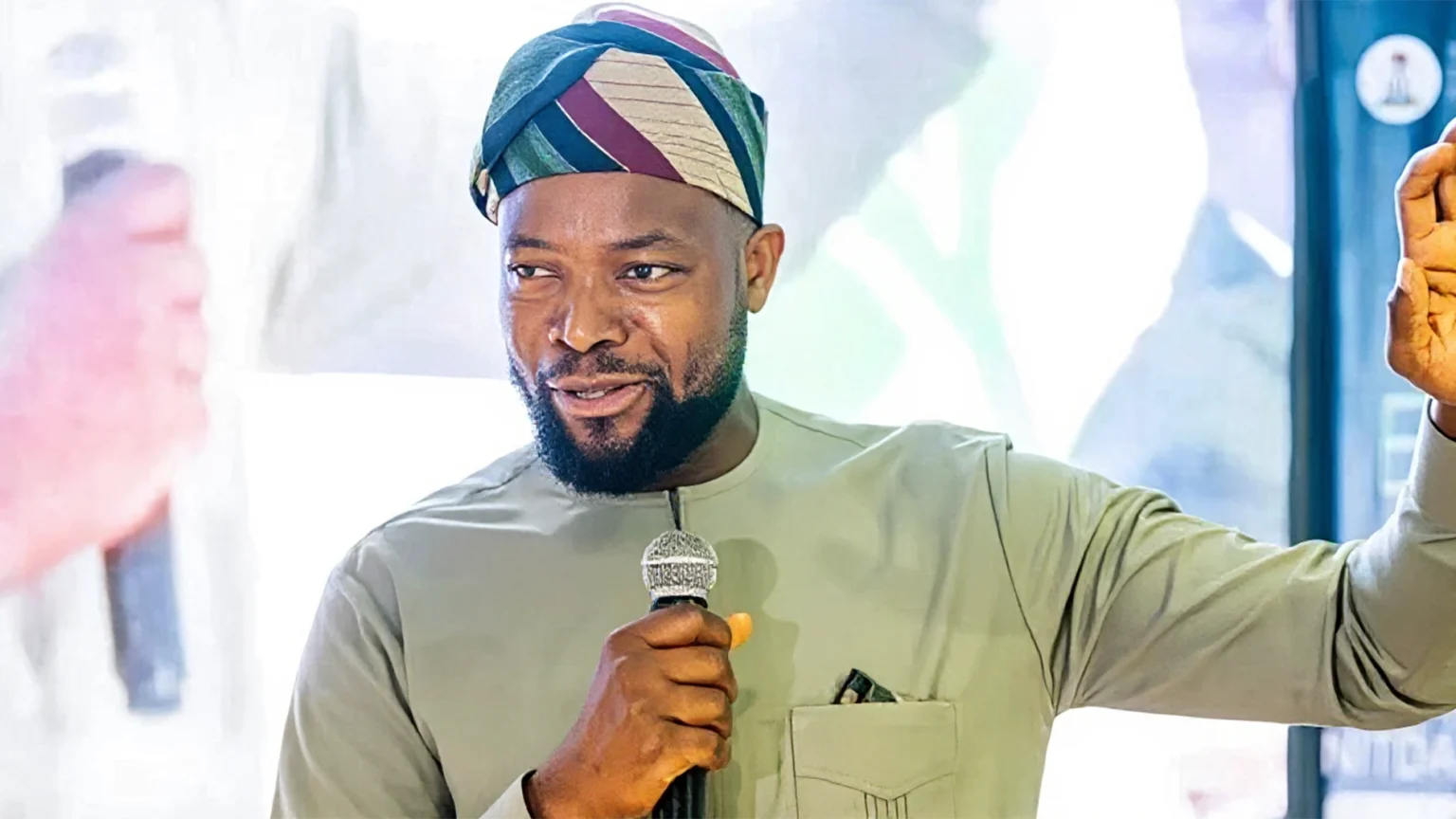
Minister of Communications, Innovation and Digital Economy, Dr Bosun Tijani, said public participation would play a critical role in shaping the policy.
According to him, while the Internet presents enormous opportunities for learning and communication, it also exposes children to threats such as cyberbullying, harmful content, online exploitation and misuse of personal data.
Tijani noted that the government is considering several policy options, including age restrictions, improved age-verification systems, stronger platform accountability and enhanced regulatory oversight.
He added that input from the public would help ensure that the final framework balances digital access with adequate safeguards for minors.
If implemented, Nigeria would join countries such as Denmark, France and Australia that have introduced measures aimed at protecting children on platforms like TikTok, Instagram and YouTube.
Data from the Nigerian Communications Commission (NCC) also showed a slight decline in national data consumption in January, dropping marginally from 1.386 million terabytes in December 2025 to 1.385 million terabytes.
In terms of network deployment, 4G accounted for 53.41 per cent of connections, followed by 2G at 36.97 per cent, 3G at 5.97 per cent and 5G at 3.94 per cent.
MTN remained the largest telecom operator with about 94 million subscribers and a market share of 51.78 per cent. Airtel followed with roughly 62 million users and about 34 per cent penetration.
Globacom recorded 22.5 million subscribers, representing 12.3 per cent of the market, while T2, formerly 9mobile, accounted for 3.25 million users with a 1.79 per cent share.
In a related development, TikTok announced an additional $200,000 investment in advertising credits to support artificial intelligence media literacy programmes across Sub-Saharan Africa.
The announcement was made in Nairobi, Kenya, during the third Sub-Saharan Africa Safer Internet Summit.
TikTok’s Head of Government Relations and Public Policy for Sub-Saharan Africa, Tokunbo Ibrahim, said the funding would support local organisations working to expand public understanding of artificial intelligence and strengthen media literacy as AI tools become more widespread.
He said the initiative reflects TikTok’s commitment to helping its online community interact responsibly with artificial intelligence technologies.

National
 News MasterUpdated 7 months Ago2 Mins read
FG considers age restrictions on social media to protect children
News MasterUpdated 7 months Ago2 Mins read
Share




Related Articles
National
Nigeria Moves Against South Africa Over Killing of Citizens, Demands Accountability
The Federal Government has intensified diplomatic pressure on South Africa following the...
National
Reps Approve Bill for New Federal Medical Centre in Ikwuano, Awaits Senate Approval
The House of Representatives has passed a bill sponsored by Hon. Obi...
National
FG Targets Malnutrition with New 10-Year Nutrition Policy
The Federal Government has taken a major step toward tackling malnutrition following...
National
Kalu’s Lawyers Reject Petition Seeking Revocation of Law School Certificate
Legal representatives of the Deputy Speaker of the House of Representatives, Benjamin...




Leave a comment