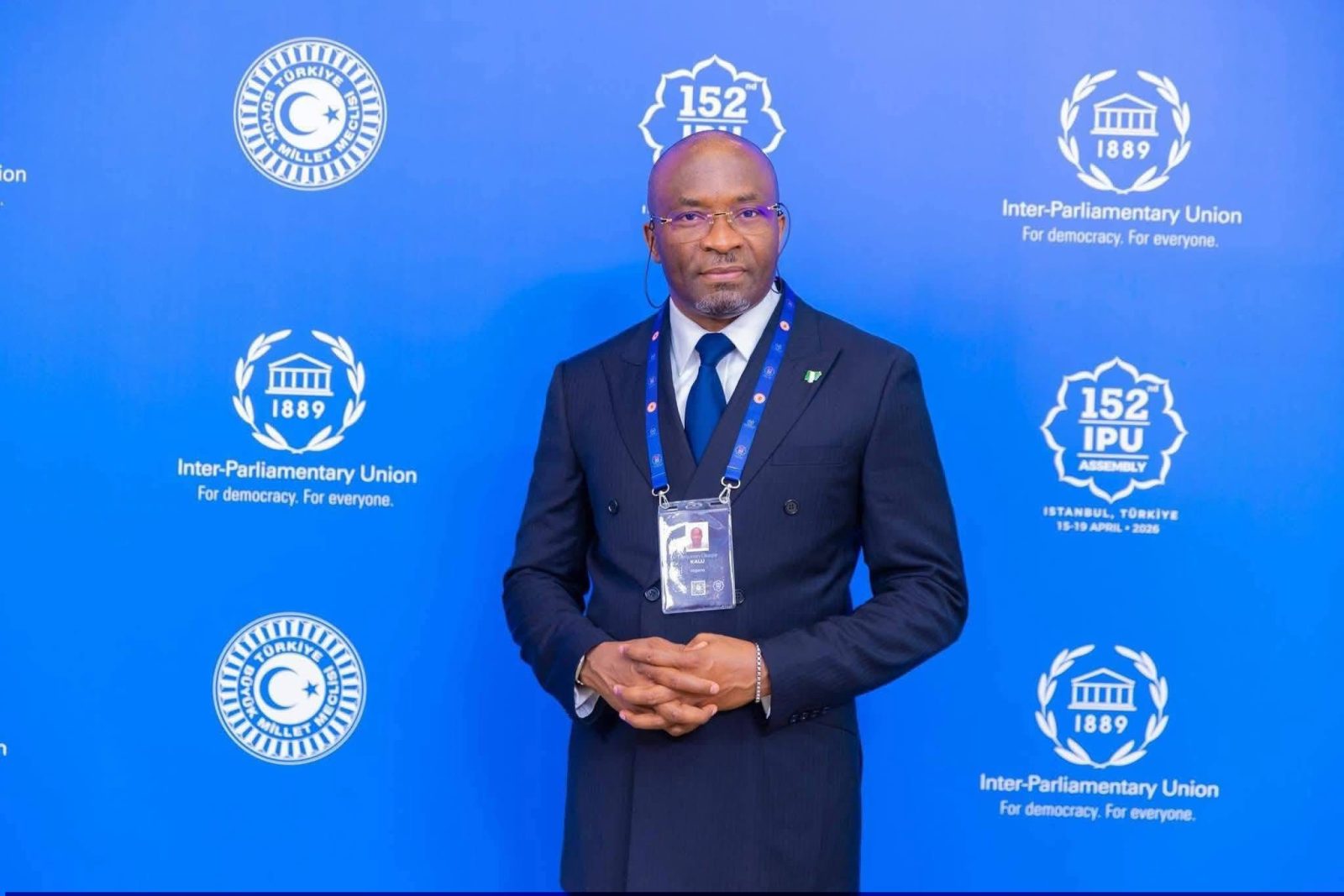
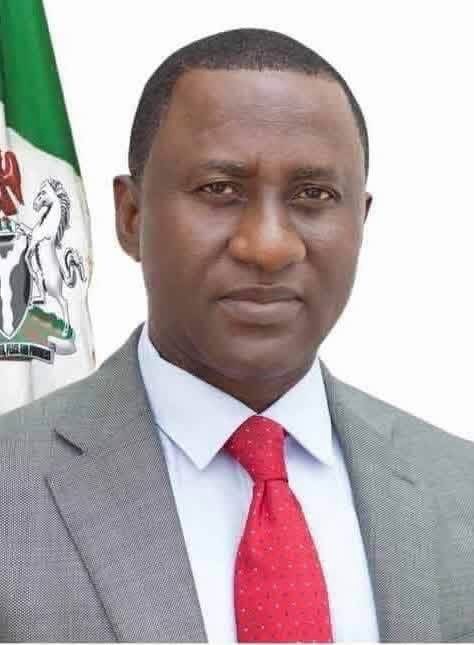
Nigeria’s Deputy Speaker of the House of Representatives, Benjamin Okezie Kalu, has played a central role in securing international backing for a major framework aimed at strengthening post-conflict recovery efforts, following its adoption at the 152nd Assembly of the Inter-Parliamentary Union in Istanbul, Istanbul.
Working alongside fellow co-rapporteurs from Jordan and the Netherlands, Kalu presented a comprehensive proposal that places national parliaments at the forefront of rebuilding societies after conflict. The resolution emphasizes that lasting peace depends on strong legislative institutions capable of driving inclusive governance and accountability.
The newly adopted framework outlines five key pillars for recovery, including institutional strengthening, fair economic rebuilding, social healing, inclusive political systems, and sustained global cooperation. It also highlights the importance of prioritizing both human and collective security in the pursuit of durable peace.
Central to the resolution is the insistence that affected nations must lead their own recovery processes. Kalu stressed that reconstruction efforts, legal reforms, and governance structures should be shaped through broad national consultations and democratic processes, with external support tailored to fit local realities and subjected to proper oversight.
The agreement further calls on parliaments to domesticate peace agreements through legislation, establish bipartisan monitoring systems, and engage civil society groups—including women and youth—in tracking progress and ensuring continuity across political transitions.
In addressing the aftermath of conflict, the framework encourages the creation of transitional justice systems focused on truth-seeking, victim compensation, and transparent reconciliation processes. It also promotes accountability through collaboration with both national and international institutions.
Additionally, the resolution urges lawmakers to prioritize peacebuilding in national budgets, strengthen anti-corruption safeguards in reconstruction funding, and ensure that communities most affected by conflict are not sidelined in recovery plans.
It also advocates for deeper community-level reconciliation through dialogue initiatives, while pushing for greater inclusion of women and young people in peace processes, in line with global standards.
The framework further recommends that parliaments work closely with governments, regional bodies, the IPU, and the United Nations to enhance funding, technical support, and long-term sustainability of peace agreements.
Through this milestone decision, the IPU has reinforced the role of legislatures as key drivers in preventing conflict relapse and building stable, inclusive societies worldwide.

Featured
 News MasterUpdated 5 months Ago1 Mins read
Kalu Drives Global Accord on Post-War Recovery as IPU Adopts New Peace Blueprint
News MasterUpdated 5 months Ago1 Mins read
Share


Related Articles
Featured
ARTICLE: Service Beyond the Ballot: Chief Mascot Uzor Kalu’s Enduring Commitment to the People
Leadership is not defined solely by electoral victory or the office one...
Featured
Supreme Court Set to Rule on PDP and ADC Leadership Disputes Today
Nigeria’s political landscape is on edge as the Supreme Court prepares to...
Featured
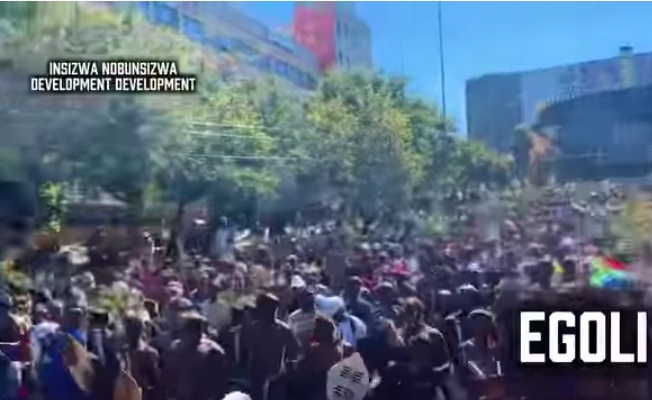
Mass Demonstrations in South Africa Highlight Rising Tensions Over Foreign Nationals
Large-scale demonstrations broke out across several major cities in South Africa as...
Featured
Article: Fixing Nigeria Starts with Fixing the States by Dr Uche Ogah
By Uche Ogah Nigeria’s development challenge is not merely a national dilemma....



Leave a comment