Concerns are growing over a possible global oil glut as the Nigerian National Petroleum Company Limited (NNPCL) increases crude oil prices across its grades, even as instability within the Organisation of the Petroleum Exporting Countries (OPEC) raises fresh uncertainties.
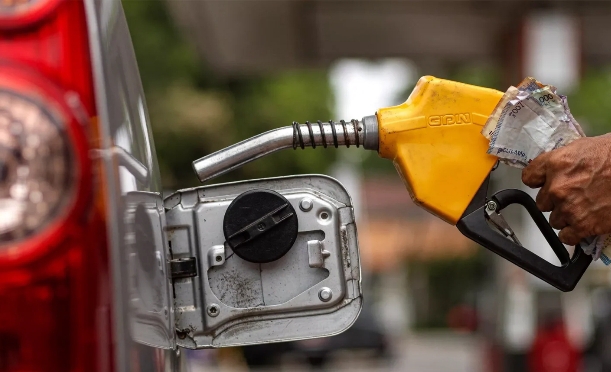
At the same time, pressure is mounting in Nigeria’s downstream sector after Dangote Petroleum Refinery raised its ex-depot price of petrol from ₦1,200 to ₦1,275 per litre. Industry players warn this could push pump prices closer to ₦1,500 per litre nationwide.
According to data from S&P Global, NNPCL raised the average price of Nigerian crude by $6.15 per barrel for May deliveries across 37 grades. Official Selling Prices (OSPs) also climbed, with Bonny Light increasing to a $6.86 premium per barrel and Forcados to $8.49, while Antan Blend recorded one of the highest premiums at $9.33.
The price adjustments reflect Nigeria’s effort to maximise revenue amid stronger demand for its light, sweet crude. However, analysts caution that higher prices could backfire if global supply expands and weakens benchmark prices.
Market uncertainty has been further heightened by the United Arab Emirates’ planned exit from OPEC in May 2026. Energy research firm Wood Mackenzie described the move as a major shift that could weaken the group’s cohesion and lead to a more relaxed supply regime in the medium term.
Although immediate supply disruptions remain limited due to geopolitical tensions—particularly around the Strait of Hormuz—the long-term outlook suggests increased competition in the oil market.
For Nigeria, the situation presents a delicate balance. While higher premiums signal confidence in its crude, especially in European and Asian markets, there is a risk that overly high prices could reduce competitiveness if global supply rises.
Meanwhile, Dangote Refinery has also adjusted its coastal price to ₦1,215 per litre, citing rising crude costs and tightening global supply. The adjustment coincided with a temporary suspension of sales operations following a halt in the issuance of Proforma Invoices (PFI), which coordinate product distribution.
The disruption, which occurred earlier this week, affected fuel loading schedules and created uncertainty across depots, forcing marketers to reassess costs and prepare for possible retail price increases.
Global oil prices remain elevated, with Brent crude trading at $119.3 per barrel and West Texas Intermediate (WTI) at $107.2, driven by geopolitical tensions in major oil-producing regions. These increases have raised production and import costs for refiners, feeding into higher domestic fuel prices.
Industry leaders say the situation is largely driven by global market forces. President of the Independent Petroleum Marketers Association of Nigeria (IPMAN), Ibrahim Maigandu, noted that the price hike reflects international trends rather than local policy decisions.
Similarly, the President of the Petroleum Products Retail Outlets Owners Association of Nigeria (PETROAN), Billy Gillis-Harry, said the development aligns with longstanding structural pressures in the global oil market.
He warned that if current trends persist, fuel prices could exceed ₦1,500 per litre in the near future.

Business
 News MasterUpdated 6 months Ago2 Mins read
Fear of Oil Glut as NNPCL Raises Crude Prices Across Grades
News MasterUpdated 6 months Ago2 Mins read
Share






Related Articles

Business
Hon. Amobi Ogah Engages Global Stakeholders at OTC Texas As Nigeria’s Energy Future Comes in Focus
U.S., Texas — Nigeria’s push for innovation and global collaboration in the...

Business
Aliko Dangote’s Wealth Climbs to $34bn After $216m Single-Day Surge
Africa’s richest man, Aliko Dangote, has seen his net worth rise to...
Business
Nigeria’s Petrol Price Drops 15.6% Year-on-Year – NBS
The average retail price of petrol in Nigeria declined by 15.6 per...
Business
BUA Cement Rolls Out Incentives to Celebrate High-Performing Distribution Partners
BUA Cement Plc has recognised outstanding distributors across the country, rewarding them...




Leave a comment