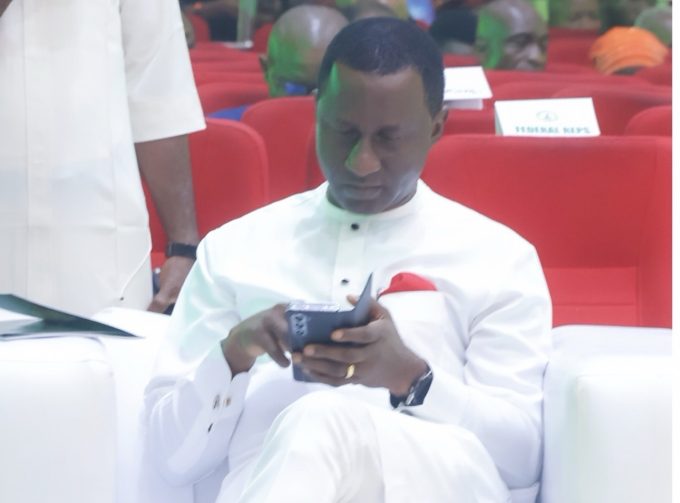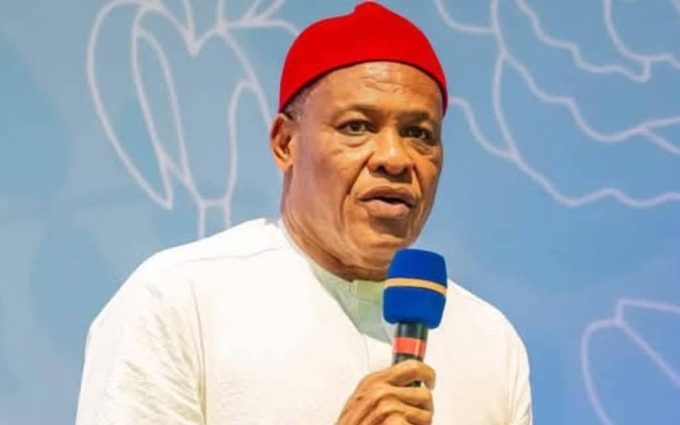

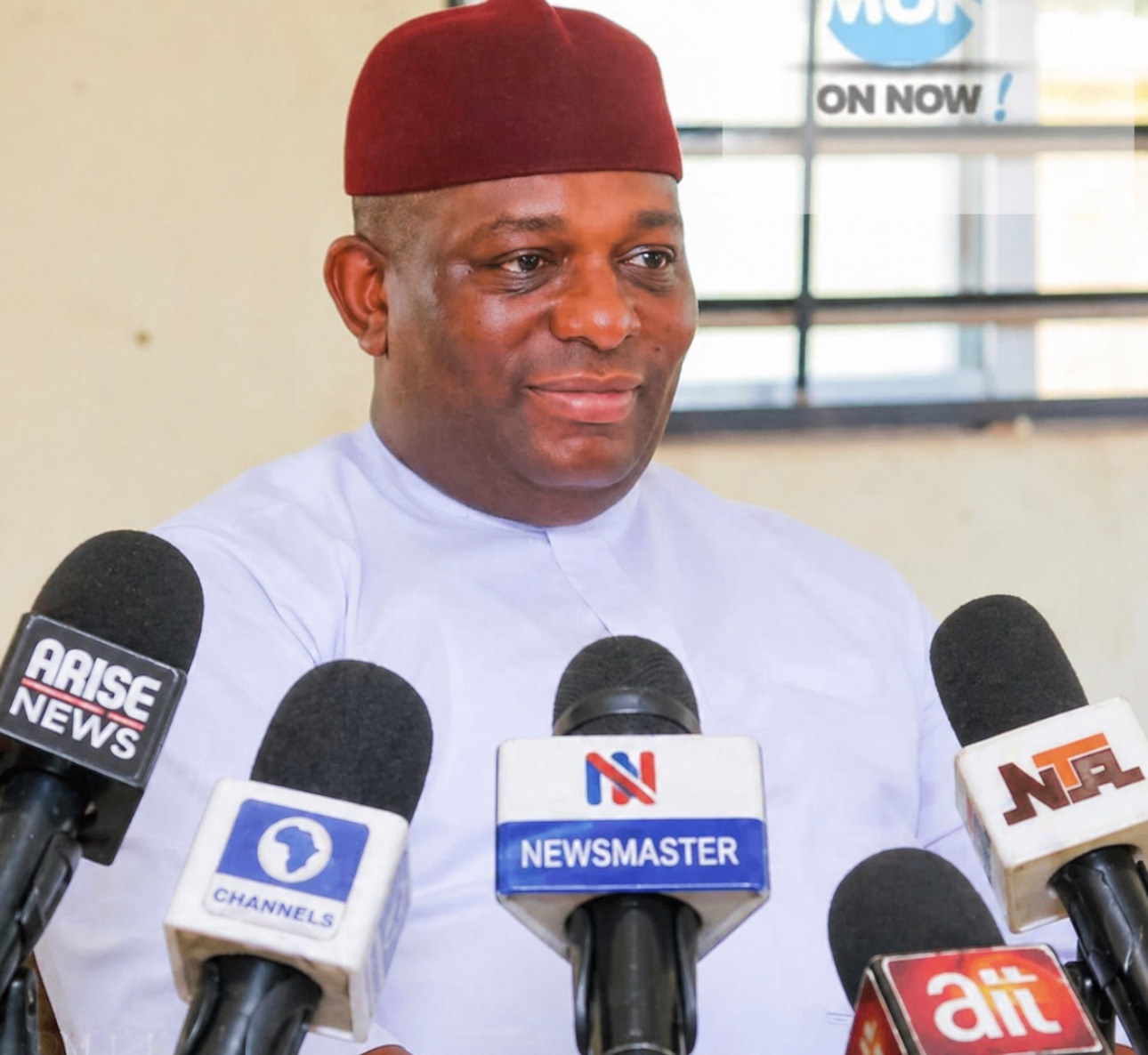
In every political season, there is always one name that gradually begins to unsettle established interests, not because of noise, but because of growing acceptance among the people. In Abia State today, that conversation is increasingly revolving around Abia 2027 Governorship Election Aspirant, Chief Mascot Uzor Kalu. From political gatherings to grassroots discussions across communities, his rising profile within the All Progressives Congress, APC, is beginning to trigger an important question: who exactly is afraid of Mascot Uzor Kalu?
Perhaps, the anxiety stems from the fact that his political movement is not being built around aggression or media warfare. Instead, Mascot Uzor Kalu appears to be adopting a quieter but more strategic approach rooted in consultations, relationship building and party unity. In Nigerian politics, such calm movements are often the most difficult to confront because they grow steadily beneath the surface until they become impossible to ignore.
Another factor that may be causing discomfort in certain circles is his increasing grassroots appeal. Across Aba, Ohafia, Umuahia and Ukwa, many young people and party loyalists see him as a fresh political voice with both experience and accessibility. Unlike politicians who only emerge during election periods, Mascot Uzor Kalu has maintained visible engagement with party structures and stakeholders, gradually building trust within different layers of the APC family.
His recent consultations with respected party elders, including former Governor and Senator, Orji Uzor Kalu, have also strengthened perceptions that his ambition is being taken seriously at influential levels. Political observers believe these strategic engagements are helping to position him as a unifying figure capable of stabilizing competing interests within the party ahead of 2027.
There is also the reality that Chief Mascot Uzor Kalu represents a generational transition many people believe is inevitable in Abia politics. His emergence reflects the growing desire for leaders who combine political exposure with modern engagement and grassroots connection. For supporters, his style projects calmness, humility and strategic patience rather than desperation for power, qualities that often resonate strongly with undecided political audiences.
Political history has repeatedly shown that candidates who are consistently discussed, watched and quietly resisted are often the ones altering existing calculations behind the scenes. The increasing attention around Mascot Uzor Kalu suggests that his presence in the Abia 2027 conversation is no longer peripheral. He is gradually becoming one of the defining figures many stakeholders now feel compelled to study carefully.
At the heart of the matter, therefore, may not simply be fear of a person, but fear of a political movement gradually gaining emotional connection with the people. As the political atmosphere continues to evolve from Aba to Ohafia and Umuahia to Ukwa, one thing is becoming increasingly clear: Chief Mascot Uzor Kalu is no longer just participating in the conversation about Abia’s future. He is steadily becoming central to it.
More importantly, supporters argue that Chief Mascot Uzor Kalu’s growing popularity is being driven by perception rather than propaganda. In an era where many citizens have become tired of empty promises and political theatrics, his measured communication style and steady consultations are creating an image of seriousness and preparedness. Whether one agrees with his ambition or not, it is becoming increasingly difficult to ignore the expanding political attention around his name, a development many believe could significantly shape the internal dynamics of the APC and the broader Abia 2027 governorship equation.
For many political watchers, the unfolding reality is simple: nobody spends energy opposing a politician considered irrelevant. The increasing scrutiny, conversations and silent calculations surrounding Chief Mascot Uzor Kalu may, in fact, be the clearest indication yet that his political influence is rising beyond expectations. As the journey to 2027 gradually intensifies, the question may no longer be who is afraid of Mascot Uzor Kalu, but why so many political interests suddenly appear compelled to pay close attention to his every move.