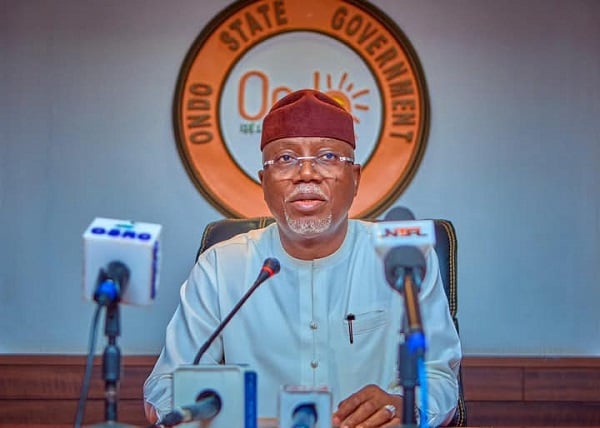
Ondo State Governor, Lucky Aiyedatiwa, has reactivated the state’s long-dormant Emergency Medical Services (EMS) to ensure the swift rescue and free initial treatment of accident victims.
The EMS, originally established by a previous administration, had been inactive for several years before the current government restructured and relaunched it to improve emergency response and healthcare delivery.
Speaking at the 2025 Annual Socio-Scientific Conference and Training of the Association of Medical Social Workers of Nigeria (AMSWON), held at the University of Medical Sciences, Ondo, the governor—represented by his Special Adviser on Health Matters, Prof. Simidele Odimayo—said the revamped EMS would significantly enhance the state’s medical response system.
He disclosed that renovation works were ongoing at EMS base stations in Bolorunduro (Ondo East), Igbara-Oke (Ifedore), and Ore (Odigbo) to boost efficiency and accessibility.
According to him, residents can now access emergency help by calling dedicated phone lines, after which ambulances will quickly transport victims to the nearest general hospital for stabilisation and care.
“Importantly, the Ondo State Government will bear all medical expenses for accident victims during the first 48 hours of treatment,” he announced.
Governor Aiyedatiwa also praised medical social workers for their vital role in promoting equitable access to healthcare and revealed that the government was undertaking broad reforms across secondary and tertiary health facilities to rebuild public trust in the health system.
He added that special infrastructure upgrades were ongoing in Ikare Akoko, Okitipupa, and Ore, alongside renovations in over 100 healthcare facilities, including general hospitals and primary health centres. These improvements include new staff quarters, solar lighting, boreholes, and perimeter fencing to ensure safety and hygiene.
The Chief Medical Director of UNIMED Teaching Hospital, Dr. Michael Gbala, urged medical social workers to strengthen their contribution to equitable healthcare delivery through data-driven practices, such as tracking financial waivers for indigent patients and mobilising donor support.
Delivering the keynote address, Prof. Jane Adebusuyi of Lead City University, Ibadan, encouraged medical social workers to embrace their advocacy role, saying:
> “We are the voice of the voiceless and the hopeless in clinical settings. We must break the culture of silence and speak for those who cannot speak for themselves.”

Politics
 News MasterUpdated 12 months Ago1 Mins read
Gov Aiyedatiwa Revives Ondo Emergency Medical Service, Offers Free 48-Hour Treatment for Accident Victims
News MasterUpdated 12 months Ago1 Mins read
Share




Related Articles

Politics
ORU WEST DESERVES BETTER, NO COMMUNITY WILL BE LEFT BEHIND — DCN OBIOMA OKORIE
Hon. Deacon Obioma Okorie, aspirant for Oru West State Constituency for the...
Politics
Abia’s Future in Focus: Mascot Uzor Kalu Emerges Voice of Reason Amid Abia APC Political Tension
“In the end, peace is not merely the absence of conflict, but...
Politics
Abia’s Future in Focus: Mascot Uzor Kalu Emerges Voice of Reason Amid Abia APC Political Tension
“In the end, peace is not merely the absence of conflict, but...
Politics
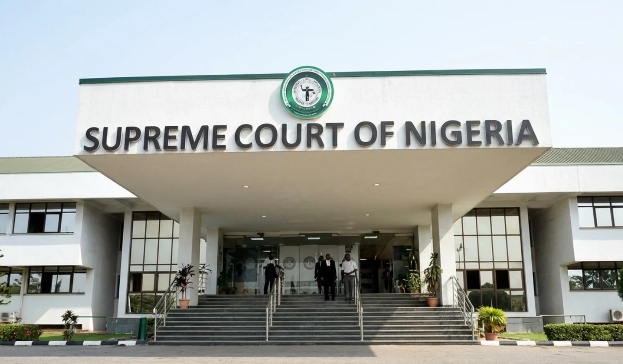
ADC Faces Crucial Test as Supreme Court Ruling Looms Over 2027 Ambitions
The African Democratic Congress (ADC) is at a defining crossroads as the...




Leave a comment