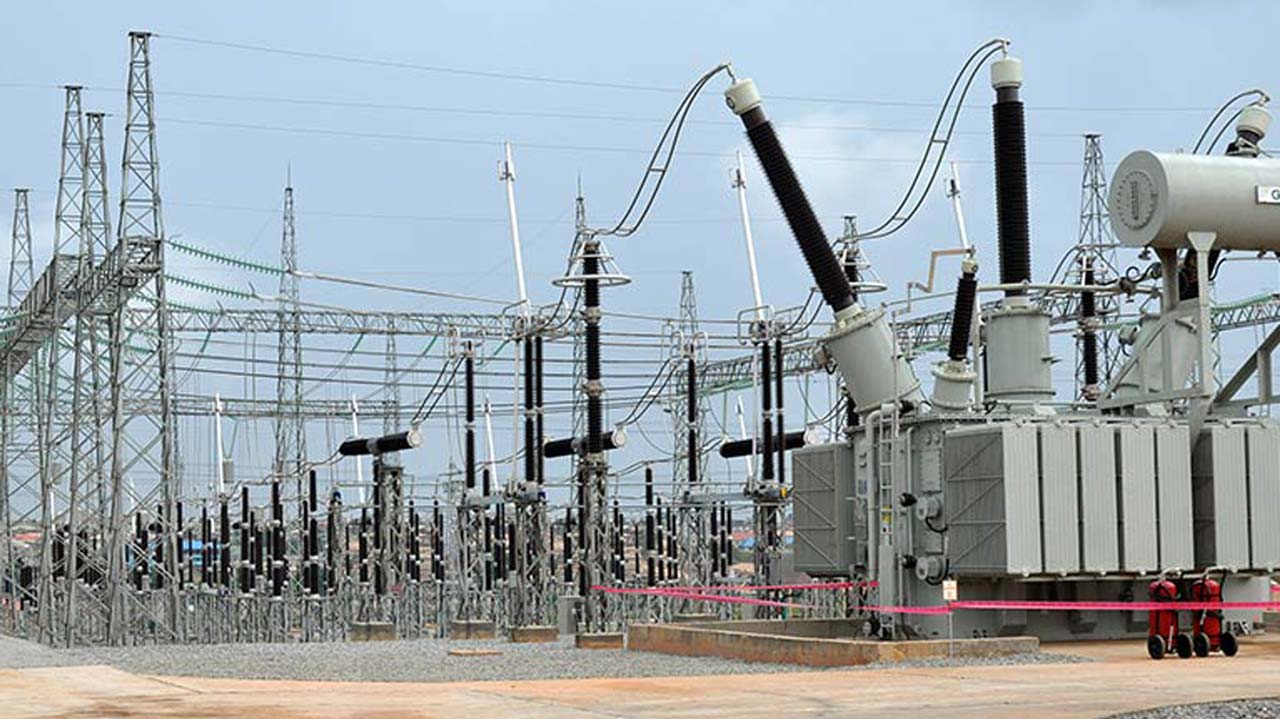
Nigeria’s power sector experienced another decline in the second quarter of 2025, with both electricity generation and offtake dropping by over five per cent. Electricity Distribution Companies (DisCos) reported a cumulative revenue loss of N158.05 billion during the same period, according to the latest report by the Nigerian Electricity Regulatory Commission (NERC).
The 2025/Q2 report from NERC reveals that average hourly energy generation on the national grid declined by 5.65%, falling from 4,770.59MWh/h in Q1 to 4,501.06MWh/h in Q2. This amounted to a total generation of 9,830.31GWh in the quarter under review.
Similarly, energy offtake by DisCos at trading points decreased by 5.27%, from 3,781.94MWh/h in Q1 to 3,582.62MWh/h in Q2.
Despite receiving 7,824.43GWh of energy, DisCos were only able to bill 6,449.82GWh to end users, reflecting an energy accounting efficiency of 82.43%. NERC cited poor billing and weak collections as continuing contributors to the sector’s liquidity crisis.
Massive Losses and Efficiency Concerns
NERC reported that the weighted average Aggregate Technical, Commercial, and Collection (ATC&C) loss across all DisCos stood at 37.92%, significantly above the 20.54% target set under the 2025 Multi-Year Tariff Order (MYTO). This underperformance led to a staggering N158.05 billion revenue shortfall in Q2 alone.
While this represents a slight improvement from 39.61% recorded in Q1, only Eko DisCo met its performance target. Kaduna DisCo posted the worst results, with a 70.98% ATC&C loss against a 21.32% benchmark.
“The ATC&C loss of 37.92% comprises technical and commercial loss of 18.39% and collection loss of 23.93%,” the report stated.
DisCos billed a total of N742.34 billion based on their energy offtake worth N909.59 billion, resulting in a billing efficiency of 81.61%. However, actual revenue collected was N564.71 billion, representing a 76.07% collection efficiency, up slightly from 74.39% in Q1.
International and Domestic Customers Default
While DisCos showed modest improvement in remitting funds to the Nigerian Bulk Electricity Trading Plc (NBET) and the Market Operator (MO), remitting N399.2 billion out of N417.35 billion invoices (a 95.65% compliance rate) international and domestic bilateral customers continued to underperform.
Six international bilateral customers paid only $9.01 million out of a $17.54 million invoice in Q2, reflecting a remittance rate of 51.33%, leaving an outstanding debt of $8.53 million.
Similarly, domestic bilateral customers remitted N1.4 billion out of N2.8 billion, reflecting a 50.1% remittance rate.
NERC warned that the persistent underperformance by bilateral customers poses a significant liquidity threat to the electricity market. The bilateral trading framework was designed to promote cost recovery and ease pressure on bulk trading systems but the current shortfalls undermine these goals.

Business
 News MasterUpdated 12 months Ago2 Mins read
Power Generation, Offtake Drop by 5% as DisCos Record N158 Billion Revenue Loss
News MasterUpdated 12 months Ago2 Mins read
Share






Related Articles

Business
Hon. Amobi Ogah Engages Global Stakeholders at OTC Texas As Nigeria’s Energy Future Comes in Focus
U.S., Texas — Nigeria’s push for innovation and global collaboration in the...

Business
Fear of Oil Glut as NNPCL Raises Crude Prices Across Grades
Concerns are growing over a possible global oil glut as the Nigerian...
Business
Aliko Dangote’s Wealth Climbs to $34bn After $216m Single-Day Surge
Africa’s richest man, Aliko Dangote, has seen his net worth rise to...

Business
Nigeria’s Petrol Price Drops 15.6% Year-on-Year – NBS
The average retail price of petrol in Nigeria declined by 15.6 per...




Leave a comment