Ongoing internal conflicts within Nigeria’s major opposition parties, the Peoples Democratic Party (PDP), Labour Party (LP), and New Nigeria Peoples Party (NNPP), are narrowing options for voters ahead of the 2027 general elections.
Despite bold public statements by political actors, the parties remain entangled in leadership disputes and legal battles at a time when unity is expected to strengthen their chances against the ruling All Progressives Congress (APC).
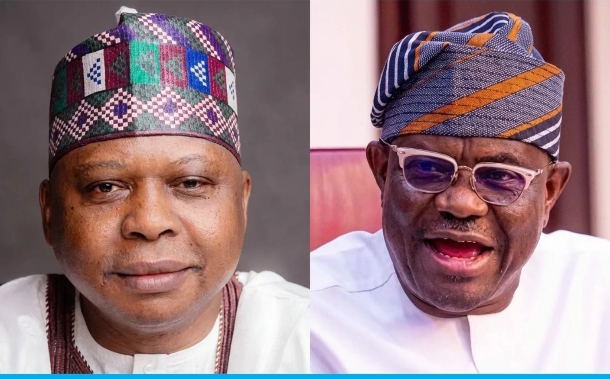
As the deadline for submission of candidates to the Independent National Electoral Commission (INEC) approaches next month, divisions within the PDP have deepened. The faction led by former minister Kabiru Tanimu Turaki has urged members to stay hopeful as the Supreme Court prepares to hear a key leadership dispute on April 22, 2026.
The party’s National Publicity Secretary, Ini Ememobong, made the call after a Supreme Court session reviewing an appeal against a lower court ruling that nullified the PDP’s November 2025 national convention in Ibadan, which produced the Turaki-led executives. The opposing faction, reportedly backed by FCT Minister Nyesom Wike, had successfully challenged the convention’s legitimacy, prompting the ongoing legal tussle.
Ememobong encouraged party faithful to remain resolute, expressing confidence that the Supreme Court would deliver a judgment that upholds democratic principles and prevents the emergence of a one-party system.
Meanwhile, another PDP faction led by Abdulrahman Muhammed dismissed reports of coalition talks with other political parties. Speaking at the inaugural National Working Committee (NWC) meeting in Abuja, Muhammed insisted that the PDP remains united, strong, and capable of reclaiming power in 2027 without forming alliances.
He described speculations about a merger with parties such as the African Democratic Congress (ADC) as false, adding that the PDP has overcome its internal challenges and is repositioning itself as a credible alternative. Muhammed also noted that INEC has recognised the party’s leadership by uploading the names of its national officers on its official portal, reinforcing its legitimacy.
In the Labour Party, tensions persist as the Forum of Duly Elected State Chairmen, aligned with Julius Abure, warned INEC against recognising fresh state congresses by rival factions. In a communiqué signed by Secretary Abdurrahim Imam Chindo, the group argued that valid congresses had already been conducted nationwide on December 6, 2025, in line with the Electoral Act.
The forum cautioned that conducting or recognising parallel congresses would create confusion, destabilise party structures, and undermine public trust in the electoral process. It also noted that INEC had previously rejected attempts to dissolve existing party structures due to lack of due process.
Similarly, the NNPP has accused INEC of failing to comply with a Federal High Court judgment delivered on March 17, 2026, regarding its leadership dispute. In a letter dated April 14, the party expressed frustration over the commission’s silence despite earlier correspondence demanding compliance within 72 hours.
The NNPP also questioned INEC’s alleged recognition of individuals who have reportedly defected from the party, describing the situation as a violation of the rule of law. The party warned that continued delays could disenfranchise its supporters as electoral activities intensify.
Amid the turmoil within established opposition parties, the newly registered National Democratic Congress (NDC) is working to expand its influence. The party says it has intensified nationwide mobilisation efforts, attracting defectors, aspirants, and grassroots support across several states.
Recent engagements include consultations with stakeholders in Gombe, Nasarawa, and the Federal Capital Territory, as well as efforts to strengthen youth and women participation. In Imo State, the party has launched a digital membership drive and set a target of at least 300 members per ward to build a solid grassroots base.
The NDC maintains that it remains open to Nigerians seeking political inclusion, positioning itself as an emerging force in the country’s evolving political landscape.
With opposition parties still grappling with internal crises, concerns are growing that voters may face limited credible alternatives in the 2027 elections.

National
 News MasterUpdated 6 months Ago2 Mins read
2027 Elections: Opposition Crises Shrink Choices for Voters
News MasterUpdated 6 months Ago2 Mins read
Share

Related Articles
National
Nigeria Moves Against South Africa Over Killing of Citizens, Demands Accountability
The Federal Government has intensified diplomatic pressure on South Africa following the...
National
Reps Approve Bill for New Federal Medical Centre in Ikwuano, Awaits Senate Approval
The House of Representatives has passed a bill sponsored by Hon. Obi...
National
FG Targets Malnutrition with New 10-Year Nutrition Policy
The Federal Government has taken a major step toward tackling malnutrition following...
National
Kalu’s Lawyers Reject Petition Seeking Revocation of Law School Certificate
Legal representatives of the Deputy Speaker of the House of Representatives, Benjamin...



Leave a comment