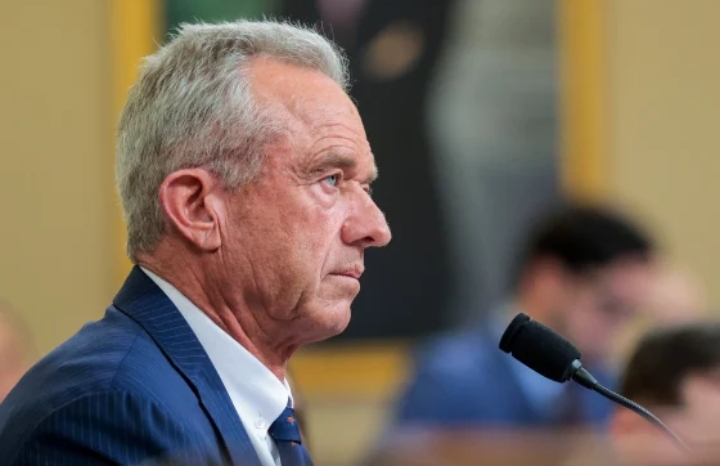
U.S. Health and Human Services Secretary Robert F. Kennedy Jr. is facing strong criticism after describing Medicaid-funded programs that pay family members to care for elderly or disabled relatives as “rife with fraud.”
Speaking during a House Ways and Means Committee hearing, Kennedy questioned the system, arguing that it compensates people for tasks traditionally done by family members without pay, such as running errands or assisting with daily activities. He also claimed the government struggles to verify whether such duties are actually performed.
His comments quickly sparked outrage among caregivers and disability rights advocates, who say he misrepresented the reality of the work and dismissed the challenges faced by families.
Advocacy groups stressed that caring for individuals with complex medical needs often involves intensive, round-the-clock responsibilities, including managing medications, operating medical equipment, and providing constant supervision.
Many caregivers shared personal experiences to counter Kennedy’s claims. Some described providing full-time medical support at home for relatives with severe conditions, arguing that the work goes far beyond basic household tasks.
More than 11 million Americans receive payments through government-supported programs for caregiving, often under Medicaid’s home- and community-based services. These initiatives are widely seen as a cost-effective alternative to institutional care and have historically received bipartisan support.
While government officials acknowledged that fraud can occur within large public programs, they defended ongoing scrutiny, saying oversight is necessary to protect taxpayer funds and ensure sustainability.
However, critics argue that Kennedy’s broad statements risk undermining vital services already under pressure. Many states are dealing with long waitlists, workforce shortages, and rising healthcare costs, making family-based care an essential option for many households.
Advocates also noted that safeguards already exist, including training requirements and documentation, to monitor how care is provided.
The controversy comes amid broader debates over healthcare spending and potential cuts to Medicaid, raising concerns among families and care providers about the future of home-based support systems.

Health
 News MasterUpdated 5 months Ago1 Mins read
RFK Jr. Faces Backlash Over Remarks on Medicaid Family Care Programs
News MasterUpdated 5 months Ago1 Mins read
Share






Related Articles
Health
WHO Pushes for Faster Global Response as Hepatitis Elimination Goal Faces Delay Risks
The World Health Organization has raised concern over the slow pace of...

Health
Lagos First Lady Supports Lifesaving Child Surgery with N70m Health Intervention
The wife of the Lagos State Governor, Dr. Ibijoke Sanwo-Olu, has strengthened...

Health
FCT Begins Deployment of New Long-Acting HIV Prevention Injection
The Federal Capital Territory Administration (FCTA) has commenced the introduction of a...

Health
Lagos Event Puts Spotlight on Women’s Health During IWD Commemoration
Health advocates and stakeholders gathered in Lagos to mark the 2026 International...




Leave a comment