

The Nigeria Centre for Disease Control and Prevention (NCDC) has issued a public health advisory alerting Nigerians to the potential risk of a Chikungunya virus outbreak in the country.
In a statement released Friday on its official website, the agency raised concerns over recent epidemiological reports indicating increased potential for outbreaks in some Nigerian states due to environmental conditions and ongoing seasonal flooding.
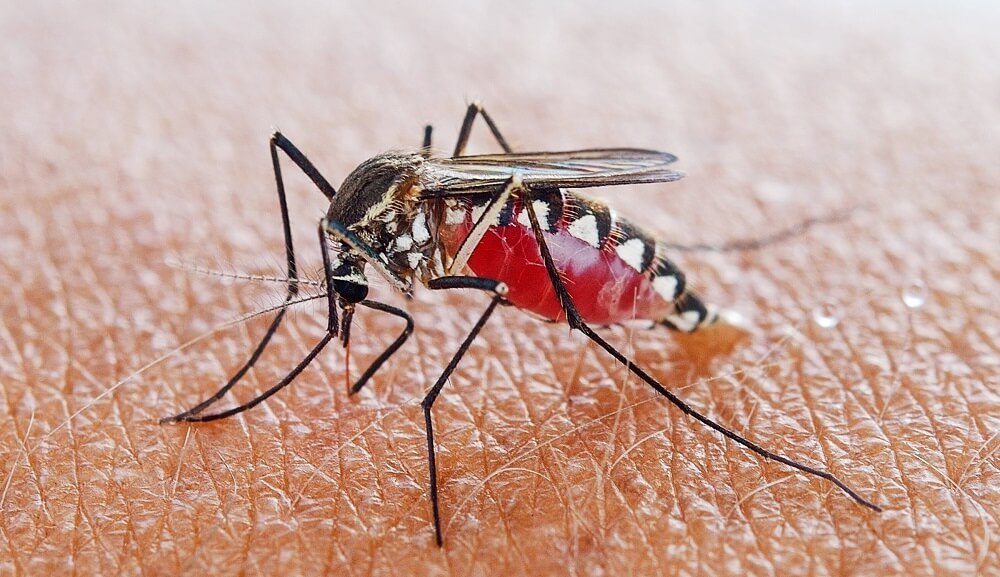
Chikungunya is a viral infection transmitted by Aedes mosquitoes—the same species responsible for spreading dengue and Zika viruses. According to the NCDC, symptoms include sudden fever, severe joint pain, muscle pain, headache, fatigue, and skin rash. Although rarely fatal, the illness can cause prolonged joint complications in some individuals.
Citing data from the World Health Organisation (WHO) and the European Centre for Disease Prevention and Control (ECDC), the NCDC reported that over 240,000 cases and 90 deaths have been recorded across 16 countries so far in 2025. China has seen a significant surge, with nearly 5,000 cases since early July—almost 3,000 of them from Guangdong Province alone in just one week.
While no confirmed cases have been detected in Nigeria this year, the NCDC warned that conditions are ripe for transmission, especially in flood-prone and high-risk areas. Nigeria’s tropical climate, coupled with the ongoing rainy season, is providing favourable breeding grounds for mosquitoes.
The agency advised Nigerians to take preventive steps such as sleeping under insecticide-treated nets, using mosquito repellents, wearing long-sleeved clothing, and eliminating stagnant water sources around homes to prevent mosquito breeding.
Healthcare professionals were also urged to be vigilant and consider Chikungunya in patients presenting with fever and joint pain, particularly in areas where Aedes mosquito activity is common. Suspected cases should be promptly reported to local health authorities.
Reassuring the public, the NCDC stated it is working in collaboration with state governments, partners, and communities to boost disease surveillance, improve laboratory capacity, and support rapid response efforts.
“Nigerians must be proactive in protecting themselves from mosquito bites, as this remains our most effective defense against Chikungunya,” the NCDC emphasized.














Leave a comment